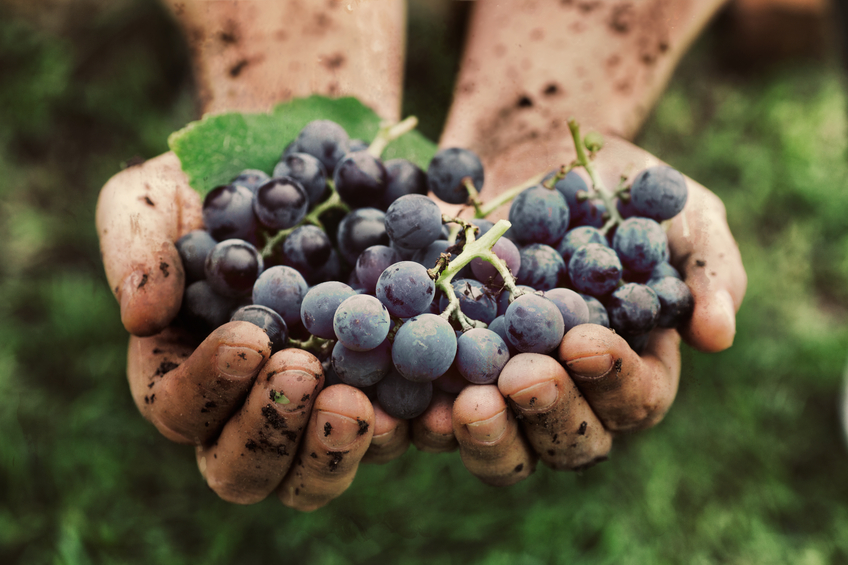

ID 139049699 © Benjavisa Ruangvaree | Dreamstime.com
“For me, reason is the natural organ of truth; but imagination is the organ of meaning. Imagination, producing new metaphors or revivifying old, is not the cause of truth, but its condition.” ― C.S. Lewis, Mere Christianity
Elul is a curious month because it invites us to look in two directions at once. We are nearing the end of one year while preparing for the beginning of another. Traditionally, much of the emphasis during Elul is directed toward what lies behind us. We practice cheshbon hanefesh, an accounting of the soul. We examine our lives, practice teshuvah, make amends where we can, and consider where we have wandered from God and from the people He created us to be as we prepare for the High Holy Days.
Most of us are familiar with this part of Elul. We know how to look back. But have you considered intentionally spending some of Elul looking ahead? Praying about and imagining what you would like to cultivate in the coming year?
Some believers are suspicious of practices involving imagination, yet we use imagination constantly. The brain is continually anticipating what may happen next, drawing upon past experience to make predictions about the future. Worry itself is an act of imagination: we picture what might happen, mentally rehearse conversations that have never occurred, and respond emotionally to outcomes that do not yet exist. The question, then, isn’t whether we will use our imagination, but how we will use it and what will direct it.
Jewish tradition associates the closing days of Elul with the days of creation, and this has also made the season a natural time for turning one’s attention toward the coming year. There is something fitting about engaging in a creative act as we remember the Creator bringing forth what had not existed before. Setting intentions, considering possibilities, and imagining what we would like to cultivate in the coming year can become part of that preparation. That will be the focus of this post.
But before we turn our attention toward the year ahead, take a moment to consider the year that is ending. Think about who you were as 5786 began and who you are now. Some things happened just as you expected, while others you never could have anticipated. Perhaps something became clearer. Perhaps you discovered a strength you didn’t know you possessed, learned something through difficulty, or grew in ways that were almost imperceptible while they were happening.
Not everything from this year needs to follow you into the next one. There may be disappointments, regrets, old ways of thinking, fears, expectations, or burdens that have reached the end of their usefulness. Some things may still require teshuvah or repair; others may simply need to be released.
But there are also things worth carrying with you. Perhaps this year gave you greater wisdom about relationships, boundaries, courage, forgiveness, rest, trust, or love. Perhaps you discovered something about Adonai or about yourself that you do not want to forget. Maybe you developed a capacity you didn’t have before or learned something you wish you had known a year ago.
Elul as a Refuge in Time
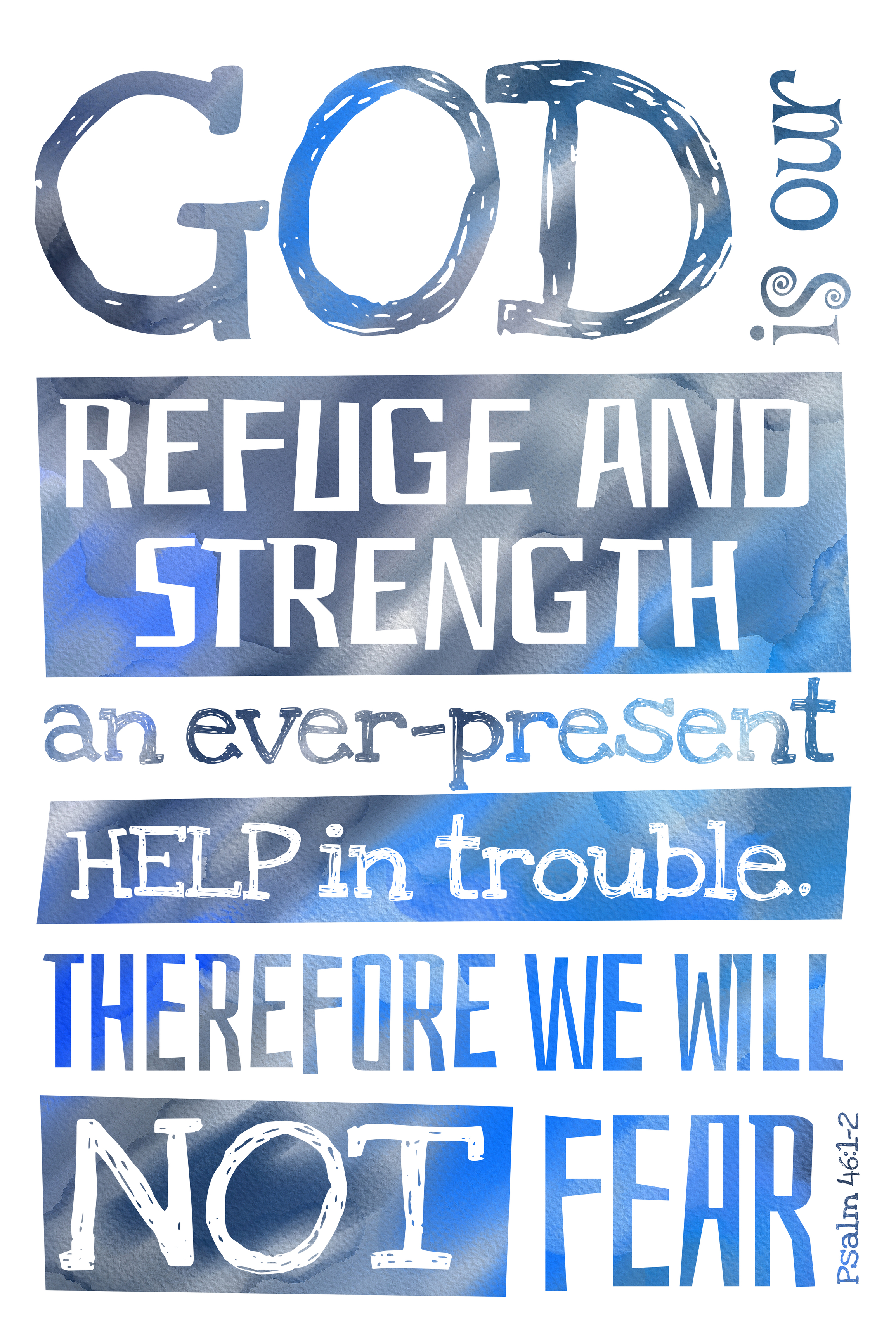
There is a beautiful traditional connection between Elul and the Levitical cities of refuge. The month of Elul is called a refuge in time, whereas the cities of refuge were a refuge in space. We live within both space and time, but what would be the purpose of a refuge in time?
Perhaps we need refuge not only from what threatens us physically, but from the places our minds can take us. We can live in a past that no longer exists, rehearsing regret, shame, hurt, and what we wish we had done differently. Or we can live in a future that does not yet exist, rehearsing everything we fear might happen. Elul invites us back into the present, the right now, where we can safely look in either direction because we are looking from the refuge of God’s presence.
Fear can hijack imagination and use it to create a future, then convince us that mentally rehearsing that future will somehow protect us from it. When we worry, we are often mentally living somewhere that does not yet exist. We imagine a conversation and hear what the other person might say. We picture ourselves failing at something we have not attempted or someone being disappointed in us. We imagine a diagnosis, loss, rejection, financial problem, conflict, or some other outcome we do not know will happen.
The imagined event may never occur, but our minds and bodies can begin responding to it as though it already has. Our minds have the capacity to anticipate danger, and that capacity can serve us well… until it doesn’t. Imagination helps us prepare, plan, solve problems, and recognize risk. But fear can recruit that same capacity and turn it into an endless attempt to create certainty where certainty is not possible. A gift designed partly to help us recognize danger was never intended to be owned by fear.
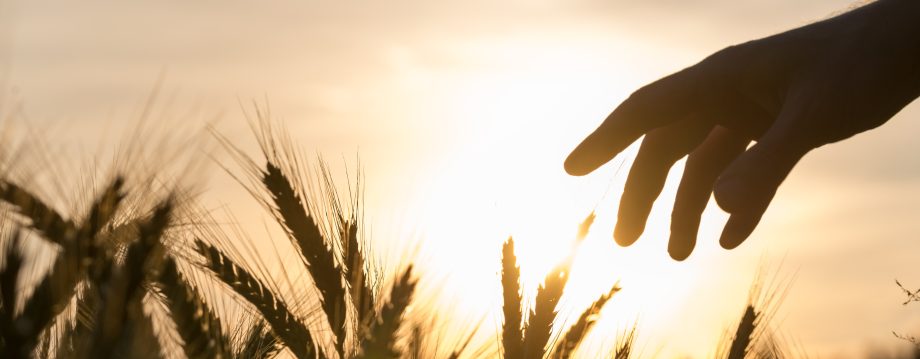
ID 152403951 © Hriana | Dreamstime.com
We are image bearers of the Elohim who is love, and His perfect love casts out fear. If God is my refuge, I do not need to know everything that will happen in order to be safe. I do not need to mentally solve every possible future before it arrives. I do not need to rehearse every possible conversation so that I will not be caught off guard. I do not need certainty about tomorrow in order to trust the One who will be there when tomorrow comes.
If fear can use imagination to rehearse what might go wrong, what might happen if we intentionally used it to rehearse courage, trust, growth, and faithfulness instead? As Elul draws us toward the remembrance of creation, it also invites us to look ahead and imagine what has not yet taken shape. Hope does that. It reminds us that what is now is not all that can be.
Elul Guided Reflection: Imagining the Year Ahead
“Everything that is real was imagined first.” — Velveteen Rabbit
We cannot know or predict the future, but we can become more intentional about what fills the unknown spaces in our minds. Fear is often quick to populate the future with loss, failure, rejection, conflict, and disappointment.
For this reflection, rather than allowing fear to decide what you see, begin from the knowledge that Adonai is your refuge and that you are already deeply loved.
Find a quiet place where you can think and write without rushing. Before answering anything, take a moment to become aware of God’s presence. You might remember the picture traditionally associated with Elul: the King has come into the field. You do not have to pass through palace walls or observe complicated protocols. He meets you in the ordinary landscape of your life.
Begin by looking back over the year with Him. Consider the good, the bad, the difficult, and the unfinished. Ask Him to help you see the year through eyes of both truth AND mercy.
- What does He want you to recognize about the year you have lived?
- Is there anything that still requires teshuvah, repair, gratitude, grief, or release?
- Where can you now see growth that you may have overlooked while it was happening?
As you reflect, remember that you do not have to perform for His love. You cannot make Him love you more by getting the next year right. He is far more concerned with your relationship with Him and how you love the people around you than with your performance. The actions you have been trying so hard to master are meant to grow out of love, not fear or worry.
Now turn your attention toward the year ahead. Resist the urge to begin with everything you think you should accomplish. Instead, become curious.
- What would you love to be different a year from now? Or, how would you like to be different?
Don’t think about whether your answer is realistic. Give yourself more possibilities than limitations. Then imagine an ordinary day in the future in which this change has begun to take root. See your future self:
- What is different when you wake up that morning?
- What occupies your thoughts?
- How are you carrying yourself?
- How are you relating to Adonai and to the people around you?
- What are you doing differently?
- What feels different within you?
Now imagine encountering an ordinary challenge in that future: a misunderstanding, an unexpected change, a mistake, a delayed answer, or a moment of uncertainty.
- How does this version of you respond?
- What strengths enable this response?
ID 4824489 © Madartists | Dreamstime.com
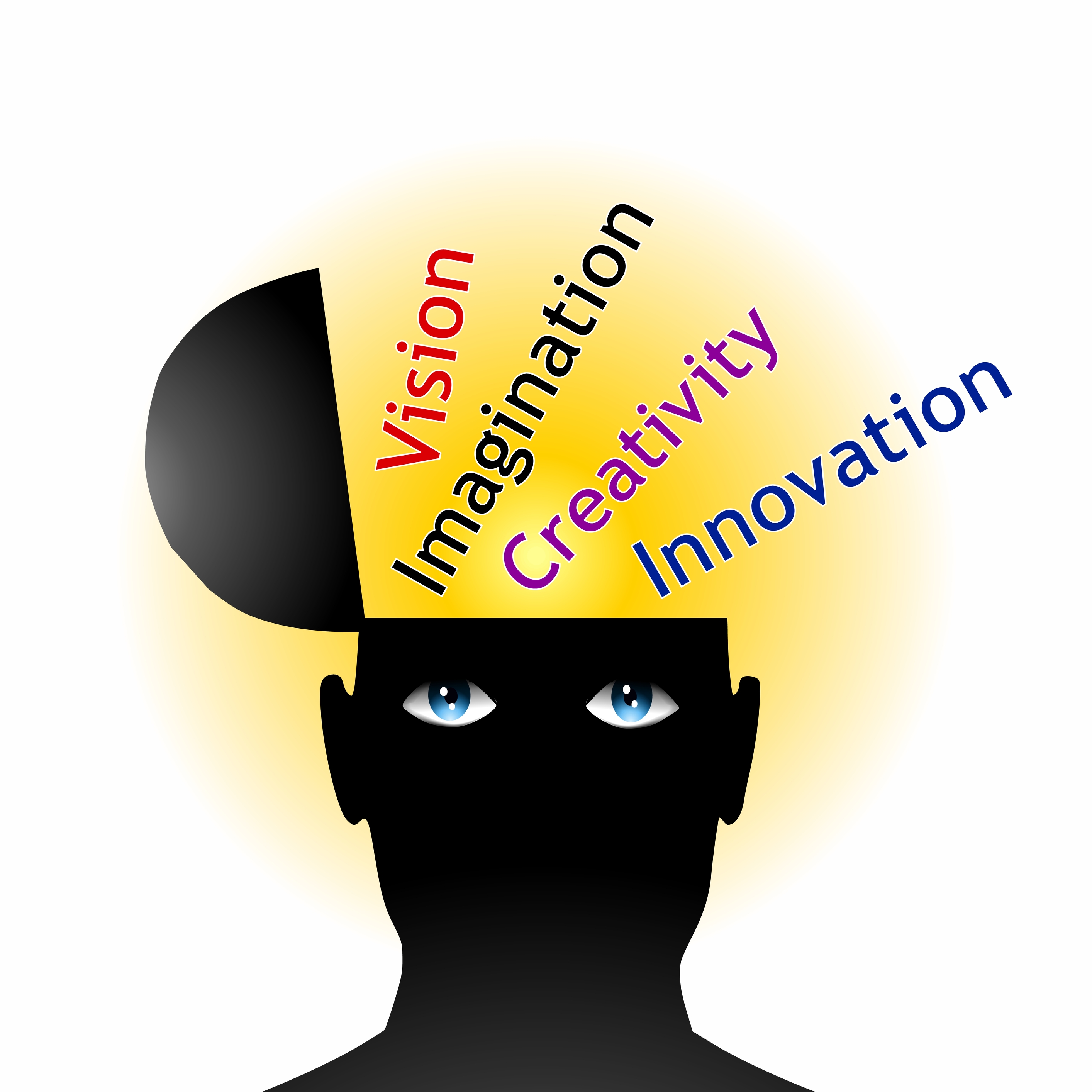
This is one of imagination’s most practical gifts. We can mentally rehearse fear, but we can also rehearse faithfulness. We can imagine pausing before reacting, speaking truthfully without becoming harsh, setting a boundary without overexplaining, resting without guilt, or remaining grounded when we do not know what someone else is thinking.
Then, consider another question:
- What would you love to experience more of in the coming year?
Perhaps your answer is peace, joy, friendship, intimacy with God, creativity, rest, courage, meaningful work, adventure, or deeper connection with the people you love. Perhaps there is something you would love to learn, try, create, or explore. For the moment, do not explain why it could not happen. Discernment and practical planning will come later. For now, notice what becomes imaginable when fear is no longer directing the conversation. Then ask yourself:
- Who am I becoming?
Do not answer with a role, title, achievement, or list of goals. Consider the person taking shape beneath those things.
- What would you like to become stronger in you?
- What are you learning to release?
- What do you want to believe more deeply?
- How would you like to love differently?
- What would greater trust in Abba look like in your daily responses?
Now, bring what you have imagined into the present:
- What is one small step I can take right now toward this future?
“Now faith is the substance of things hoped for, the evidence of things not seen. For by it the elders obtained a good testimony. By faith we understand that the worlds were framed by the word of God, so that the things which are seen were not made of things which are visible.” (Heb 11:1-3, NKJV)
Elul is like a threshold in time, the present now, where we review the past and look forward to the future grounded and grateful for this moment. What you imagined is neither a promise nor a prediction. The coming year will contain things you cannot anticipate. The year before us has not happened yet.
Before fear fills that unknown space with everything that might go wrong, or tells us what is and is not possible, we can remember where our refuge is and allow ourselves to freely imagine from the place of love and faith.
“What you imagine directly affects your perception and your behavior. But it also substantially impacts your brain and your biology.” – Dr. Cassandra Vieten, Imagine That: Transform How You Think, Feel, and Live with the Science of Imagination
Further Reflection
- When you feel unsafe, where does your mind tend to run?
- Where would you rather it go?
- Name one way you can redirect wondering, anxious thoughts.
- What future have you been rehearsing?
- What stories about your past or future does your mind imagine?
- When you are ruminating or worrying, what are you trying to prevent or protect yourself from?
- If you knew that Abba would be your refuge regardless of what has happened or might happen, what would you no longer need to rehearse or worry about?