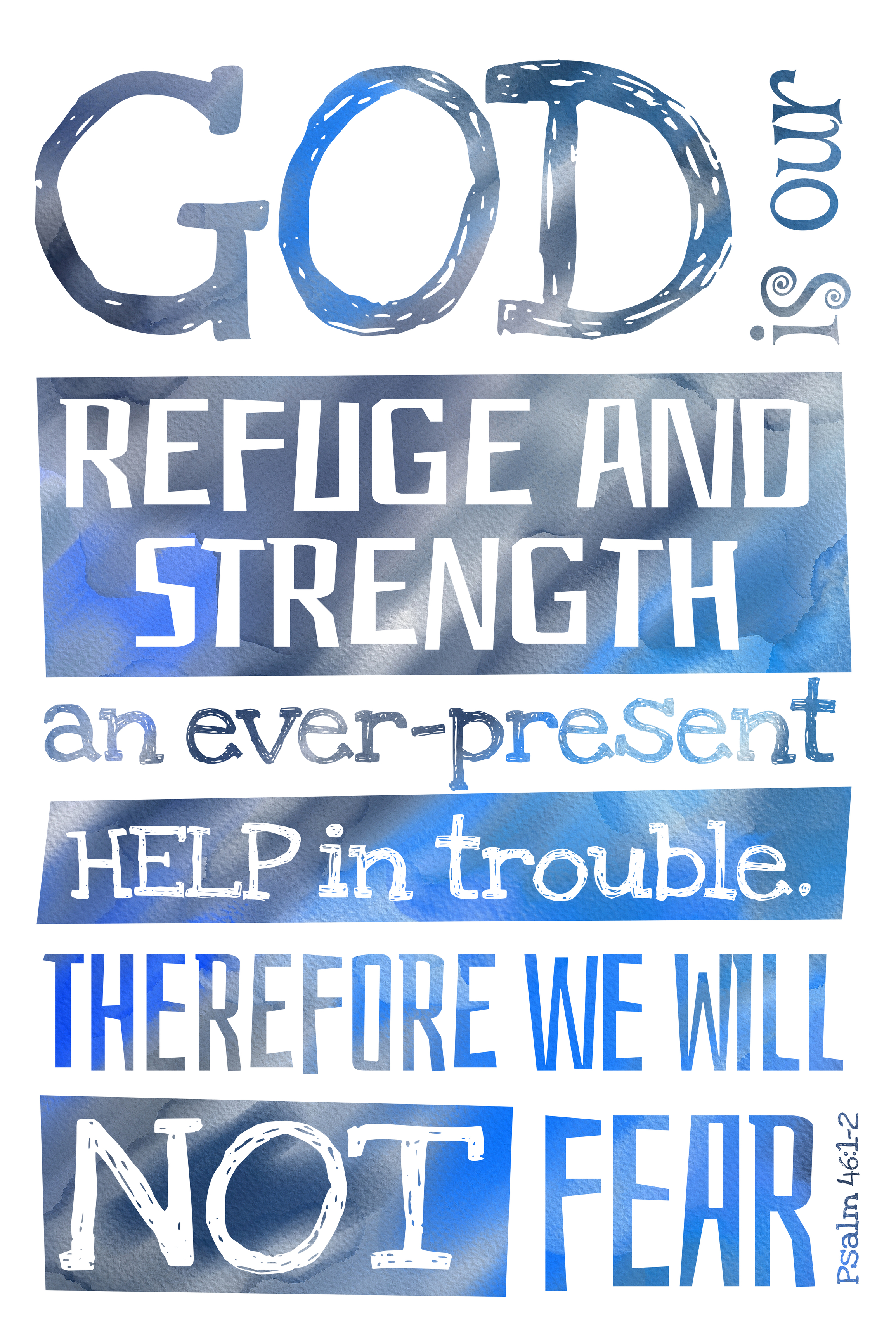
“For me, reason is the natural organ of truth; but imagination is the organ of meaning. Imagination, producing new metaphors or revivifying old, is not the cause of truth, but its condition.” ― C.S. Lewis, Mere Christianity
Elul is a curious month because it invites us to look in two directions at once. We are nearing the end of one year while preparing for the beginning of another. Traditionally, much of the emphasis during Elul is directed toward what lies behind us. We practice cheshbon hanefesh, an accounting of the soul. We examine our lives, practice teshuvah, make amends where we can, and consider where we have wandered from God and from the people He created us to be as we prepare for the High Holy Days.
Most of us are familiar with this part of Elul. We know how to look back. But have you considered intentionally spending some of Elul looking ahead? Praying about and imagining what you would like to cultivate in the coming year?
Some believers are suspicious of practices involving imagination, yet we use imagination constantly. The brain is continually anticipating what may happen next, drawing upon past experience to make predictions about the future. Worry itself is an act of imagination: we picture what might happen, mentally rehearse conversations that have never occurred, and respond emotionally to outcomes that do not yet exist. The question, then, isn’t whether we will use our imagination, but how we will use it and what will direct it.
Jewish tradition associates the closing days of Elul with the days of creation, and this has also made the season a natural time for turning one’s attention toward the coming year. There is something fitting about engaging in a creative act as we remember the Creator bringing forth what had not existed before. Setting intentions, considering possibilities, and imagining what we would like to cultivate in the coming year can become part of that preparation. That will be the focus of this post.
But before we turn our attention toward the year ahead, take a moment to consider the year that is ending. Think about who you were as 5786 began and who you are now. Some things happened just as you expected, while others you never could have anticipated. Perhaps something became clearer. Perhaps you discovered a strength you didn’t know you possessed, learned something through difficulty, or grew in ways that were almost imperceptible while they were happening.
Not everything from this year needs to follow you into the next one. There may be disappointments, regrets, old ways of thinking, fears, expectations, or burdens that have reached the end of their usefulness. Some things may still require teshuvah or repair; others may simply need to be released.
But there are also things worth carrying with you. Perhaps this year gave you greater wisdom about relationships, boundaries, courage, forgiveness, rest, trust, or love. Perhaps you discovered something about Adonai or about yourself that you do not want to forget. Maybe you developed a capacity you didn’t have before or learned something you wish you had known a year ago.
Elul as a Refuge in Time
There is a beautiful traditional connection between Elul and the Levitical cities of refuge. The month of Elul is called a refuge in time, whereas the cities of refuge were a refuge in space. We live within both space and time, but what would be the purpose of a refuge in time?
Perhaps we need refuge not only from what threatens us physically, but from the places our minds can take us. We can live in a past that no longer exists, rehearsing regret, shame, hurt, and what we wish we had done differently. Or we can live in a future that does not yet exist, rehearsing everything we fear might happen. Elul invites us back into the present, the right now, where we can safely look in either direction because we are looking from the refuge of God’s presence.
Fear can hijack imagination and use it to create a future, then convince us that mentally rehearsing that future will somehow protect us from it. When we worry, we are often mentally living somewhere that does not yet exist. We imagine a conversation and hear what the other person might say. We picture ourselves failing at something we have not attempted or someone being disappointed in us. We imagine a diagnosis, loss, rejection, financial problem, conflict, or some other outcome we do not know will happen.
The imagined event may never occur, but our minds and bodies can begin responding to it as though it already has. Our minds have the capacity to anticipate danger, and that capacity can serve us well… until it doesn’t. Imagination helps us prepare, plan, solve problems, and recognize risk. But fear can recruit that same capacity and turn it into an endless attempt to create certainty where certainty is not possible. A gift designed partly to help us recognize danger was never intended to be owned by fear.
We are image bearers of the Elohim who is love, and His perfect love casts out fear. If God is my refuge, I do not need to know everything that will happen in order to be safe. I do not need to mentally solve every possible future before it arrives. I do not need to rehearse every possible conversation so that I will not be caught off guard. I do not need certainty about tomorrow in order to trust the One who will be there when tomorrow comes.
If fear can use imagination to rehearse what might go wrong, what might happen if we intentionally used it to rehearse courage, trust, growth, and faithfulness instead? As Elul draws us toward the remembrance of creation, it also invites us to look ahead and imagine what has not yet taken shape. Hope does that. It reminds us that what is now is not all that can be.
Elul Guided Reflection: Imagining the Year Ahead
“Everything that is real was imagined first.” — Velveteen Rabbit
We cannot know or predict the future, but we can become more intentional about what fills the unknown spaces in our minds. Fear is often quick to populate the future with loss, failure, rejection, conflict, and disappointment.
For this reflection, rather than allowing fear to decide what you see, begin from the knowledge that Adonai is your refuge and that you are already deeply loved.
Find a quiet place where you can think and write without rushing. Before answering anything, take a moment to become aware of God’s presence. You might remember the picture traditionally associated with Elul: the King has come into the field. You do not have to pass through palace walls or observe complicated protocols. He meets you in the ordinary landscape of your life.
Begin by looking back over the year with Him. Consider the good, the bad, the difficult, and the unfinished. Ask Him to help you see the year through eyes of both truth AND mercy.
What does He want you to recognize about the year you have lived?
Is there anything that still requires teshuvah, repair, gratitude, grief, or release?
Where can you now see growth that you may have overlooked while it was happening?
As you reflect, remember that you do not have to perform for His love. You cannot make Him love you more by getting the next year right. He is far more concerned with your relationship with Him and how you love the people around you than with your performance. The actions you have been trying so hard to master are meant to grow out of love, not fear or worry.
Now turn your attention toward the year ahead. Resist the urge to begin with everything you think you should accomplish. Instead, become curious.
What would you love to be different a year from now? Or, how would you like to be different?
Don’t think about whether your answer is realistic. Give yourself more possibilities than limitations. Then imagine an ordinary day in the future in which this change has begun to take root. See your future self:
What is different when you wake up that morning?
What occupies your thoughts?
How are you carrying yourself?
How are you relating to Adonai and to the people around you?
What are you doing differently?
What feels different within you?
Now imagine encountering an ordinary challenge in that future: a misunderstanding, an unexpected change, a mistake, a delayed answer, or a moment of uncertainty.
This is one of imagination’s most practical gifts. We can mentally rehearse fear, but we can also rehearse faithfulness. We can imagine pausing before reacting, speaking truthfully without becoming harsh, setting a boundary without overexplaining, resting without guilt, or remaining grounded when we do not know what someone else is thinking.
Then, consider another question:
What would you love to experience more of in the coming year?
Perhaps your answer is peace, joy, friendship, intimacy with God, creativity, rest, courage, meaningful work, adventure, or deeper connection with the people you love. Perhaps there is something you would love to learn, try, create, or explore. For the moment, do not explain why it could not happen. Discernment and practical planning will come later. For now, notice what becomes imaginable when fear is no longer directing the conversation. Then ask yourself:
Who am I becoming?
Do not answer with a role, title, achievement, or list of goals. Consider the person taking shape beneath those things.
What would you like to become stronger in you?
What are you learning to release?
What do you want to believe more deeply?
How would you like to love differently?
What would greater trust in Abba look like in your daily responses?
Now, bring what you have imagined into the present:
What is one small step I can take right now toward this future?
“Now faith is the substance of things hoped for, the evidence of things not seen. For by it the elders obtained a good testimony. By faith we understand that the worlds were framed by the word of God, so that the things which are seen were not made of things which are visible.” (Heb 11:1-3, NKJV)
Elul is like a threshold in time, the present now, where we review the past and look forward to the future grounded and grateful for this moment. What you imagined is neither a promise nor a prediction. The coming year will contain things you cannot anticipate. The year before us has not happened yet.
Before fear fills that unknown space with everything that might go wrong, or tells us what is and is not possible, we can remember where our refuge is and allow ourselves to freely imagine from the place of love and faith.
“What you imagine directly affects your perception and your behavior. But it also substantially impacts your brain and your biology.” – Dr. Cassandra Vieten, Imagine That: Transform How You Think, Feel, and Live with the Science of Imagination
Further Reflection
When you feel unsafe, where does your mind tend to run?
Where would you rather it go?
Name one way you can redirect wondering, anxious thoughts.
What future have you been rehearsing?
What stories about your past or future does your mind imagine?
When you are ruminating or worrying, what are you trying to prevent or protect yourself from?
If you knew that Abba would be your refuge regardless of what has happened or might happen, what would you no longer need to rehearse or worry about?
“Grief is the one pain that heals all others. It is the most important pain there is.”[1] —Dr. Henry Cloud and Dr. John Townsend
Av is a month of both grief and comfort. It begins in the narrow place of the Three Weeks and carries us through Tisha B’Av, the great day of communal mourning over the destruction of the Temples and other tragedies in Jewish history. The Three Weeks begin on the 17th of Tammuz and culminate on the 9th of Av, a period often called Bein HaMetzarim, “between the straits” or “between the narrow places.”
We are not left with only grief in Av. It is also called Menachem Av, meaning “Comforting Father” or “Father of Comfort.” This gives the whole month a redemptive arc: we do not enter grief to stay there. We enter grief truthfully so comfort can be real and not merely cosmetic.
We all experience grief. Webster’s 1828 dictionary defines grief as the pain of mind produced by loss, misfortune, injury or evils of any kind. This pain can also come through sorrow, regret, and repentance when we recognize that our own choices have caused harm.
The phrase that Webster used, pain of mind, is salient because grief is not just an emotion. It encompasses a spectrum of emotions, thoughts, and processes that involve the mind, heart, and body.
We obviously experience grief when a loved one dies, but sometimes the loss is a relationship, a job, a business, a dream, or even the life we imagined we would have. We might lose our nervous system’s sense of safety due to a health crisis or immense stress. Sometimes we lose our ability to hear God, hear others, or hear ourselves clearly.
Av is not only a month of sorrow; it is a month of healing sorrow. It teaches us not to rush past grief, but also not to build a permanent identity around destruction. We remember. We lament. We tell the truth. We listen. And in that honest place, comfort can begin to meet us, and repair can begin in truth.
The Pain That Heals
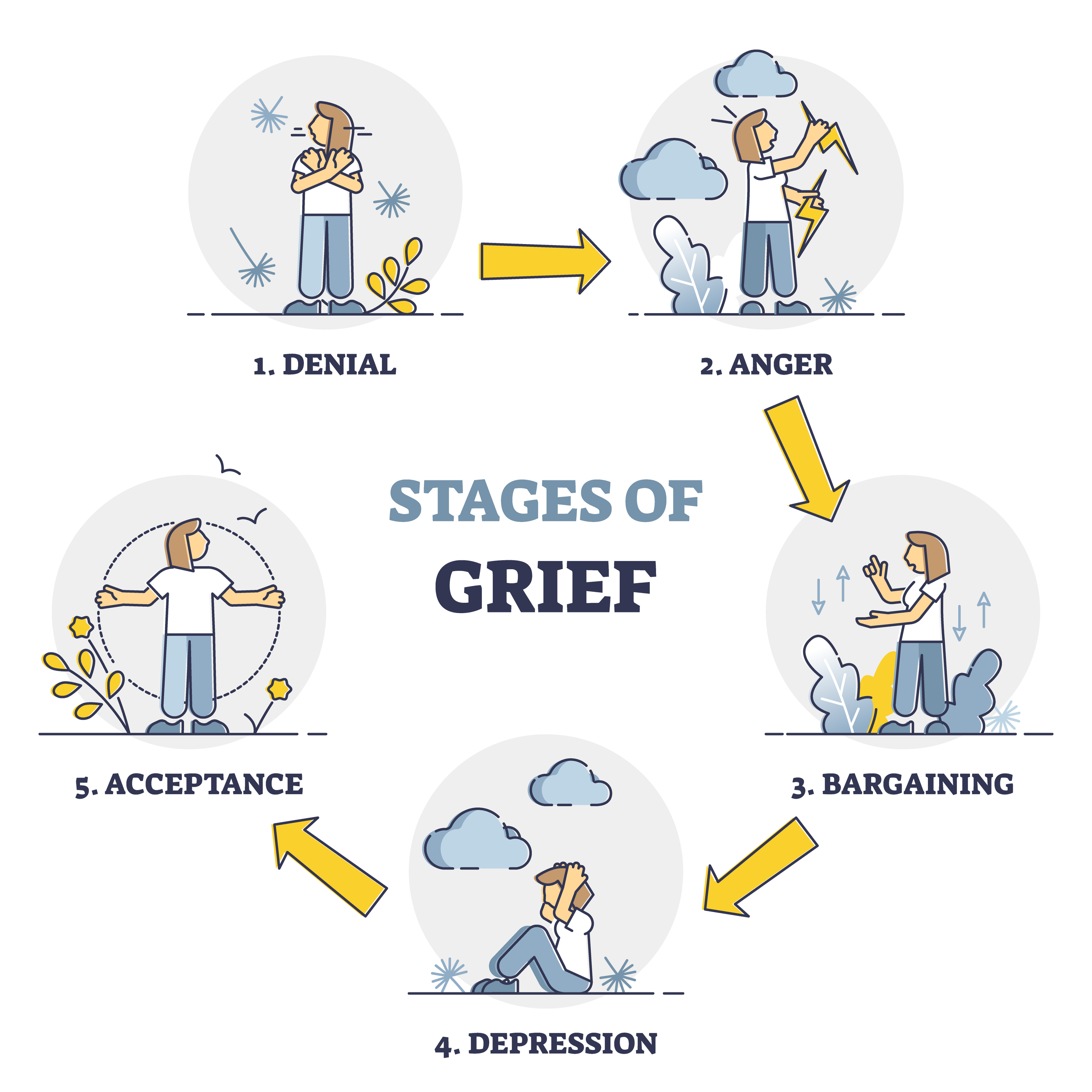
There are five commonly named stages of grief:
Denial: “This can’t be happening to me.”
Anger: “Why is this happening? Who is to blame?”
Bargaining: “Make this not happen, and in return I will ____.”
Cloud and Townsend write, “Grief is the one pain that heals all others.” When I first read that statement, it stopped me in my tracks. The obvious question was: Why? Why would grief—the pain most of us avoid, resist, minimize, or rush through—be the very pain that heals all others?
Their answer is both simple and profound. Grief is not merely an emotion. It is a progression that requires time. It is never a “one and done” as much as we would prefer that. God designed our souls and our brain, and He knows what is needed for us to come to terms with a reality we don’t like or want.
So, though painful, grief is the process that enables the mind, body, and soul to heal. Neuroscience helps us understand why: grief is a form of learning. The brain must slowly update its inner map of reality when someone or something we counted on is no longer available in the same way. The brain is predictive; it uses past experience to anticipate what should happen next.
When our new reality violates that prediction, the nervous system often reacts with alarm, confusion, denial, anger, or attempts to regain control. This is the mind and heart saying, “I do not want this to be true.” Protest and bargaining are not signs of immaturity by themselves. They are part of the system trying to resolve the mismatch between the old map and the new reality. Until that inner map changes, the mind will keep searching, bracing, protesting, or reaching for what has been lost.
The body is also involved. Bereavement research shows that grief can affect stress physiology, inflammation, immune regulation, sleep, cardiovascular function, mood, and behavior. The body can remain organized around threat, longing, vigilance, or protest until the loss is processed and integrated. Thus, unprocessed grief can keep the body in a state of physical stress, while honest mourning gives the nervous system a path toward release, regulation, and rest.
Something has been lost. Something has died. It may be a person, but it may also be a dream, a season, a relationship, a plan, a role, a hope, or an image of who we thought we would become.
At first, we protest. We do not want the loss to be true. We may deny it, numb ourselves, become angry, or bargain with reality. We may keep trying to make someone love us, understand us, choose us, approve of us, or become who we needed them to be. We may try to resurrect a dream, a season, or a relationship that has already ended.
Eventually, if we allow grief to do its work, we come to the painful surrender: this really is true. This is not what I wanted, but it is reality. The wish and the truth stand in the same room. This is the moment we often avoid, but it is also the doorway to healing.
Then comes grief proper. We cry. We tell the truth. We let go. We say goodbye to what cannot be. We stop demanding that the dead thing act alive. We allow the soul to finish what it was designed to finish.
Av does not invite us to despair. It invites us into the kind of sorrow that heals. It teaches us to stop bargaining with ruins and begin receiving comfort in truth.
Shimon: Hearing the Grief
Shimon, or Simeon, is the tribe traditionally associated with the fifth Hebrew month. His name comes from the language of hearing. When Leah named him, she said, “‘Because the LORD has heard that I am unloved, He has therefore given me this son also.’ So she named him Simeon” (Genesis 29:33). That gives Av a profound connection to hearing, especially listening from a place of pain.
I cannot help but wonder what grief Leah carried as the “unloved one.” Scripture tells us her eyes were weak, and whether that detail was physical, symbolic, or both, the text makes her pain clear: Jacob preferred Rachel. How painful it would be to accept that your life, your reality, was to always be second in the eyes of your husband. Most of us would do exactly what she did to try to get our need for love met. We would try to earn, buy, and negotiate our way into the heart of the one with whom we are in covenant.
Maybe you are doing that now (with Adonai) because you believe you are the unloved one despite the truth that He is no respecter of persons. Grief heals the mind and heart of falsehood if we enter the gates of sorrow in earnest. Unprocessed grief keeps us in a dangerous mind loop of emotional, spiritual, and physical pain.
Simeon, the one named after hearing and listening to pain teaches us what happens when we ignore that crucial voice. In Genesis 34, Simeon and Levi respond to Dinah’s violation with violent retaliation. Their pain is real. The injustice is real. But their response was not merely reactive rage. It was planned, strategic, deceptive, and vengeful, resulting in the massacre of the men of Shechem.
Jacob later rebukes Simeon and Levi in Genesis 49:5–7, calling them vessels or instruments of chamas, cruel violence. He declares that his soul, his nephesh, should not enter their secret council and that his glory should not be joined to their assembly, because in fierce anger they slew men and in lustful passion they hamstrung oxen.
That phrase, “hamstrung oxen,” is striking. To hamstring an animal is to cut the large tendons behind the leg, making it lame and unable to walk properly. It is an act that does not merely kill; it disables, wounds, and renders something powerless.
This is how Jacob described Simeon and Levi’s deception of Shechem. They used circumcision, the sign of the Abrahamic covenant, to weaken the men so they could kill them. Something meant for life and covenant became chamas, violence, and death.
So many things go wrong in this story. Dinah’s pain should have been heard. The injustice should have been acknowledged and addressed. But instead, unprocessed pain became a destructive force.
Sometimes it is uncomfortable to enter someone else’s story and sit with their pain, especially when we have categorized the other person as outside our group. There is “us,” and there is “them.” Jacob’s silence could be interpreted as passivity, but it could also have been wisdom.
“The fence around wisdom is silence.” (Pirkei Avot 3:13)
This does not mean injustice is ignored. It means pain does not always need immediate answers; sometimes it needs presence, compassion, and sensitivity. It means understanding that we do not understand. This is active silence. It is not hasty or brash. It does not rush to fix, explain, defend, or retaliate.
Av asks us to listen to grief instead of suppressing it. To listen, we must silence our base reactions. The tribe of Shimon reminds us that healing begins when pain is heard. But Simeon’s story also warns us that pain left unheard can become reactive, violent, deceptive, or destructive. Grief must be listened to, but it must also be brought before the Father so it does not become vengeance in disguise.
The Lion of Av
This same pattern is reflected in the mazel of Av: Aryeh, the lion. In an immature state, the lion roars to dominate, intimidate, devour, or defend territory. But in a refined state, the lion represents courage, dignity, protection, and strength under righteous authority.
Yeshua is called the Lion of the tribe of Judah in Revelation 5:5, but what is striking is that when John looks, he sees a Lamb standing as slain. Lion strength is revealed through Lamb surrender. True power or strength is power under authority. It is holy restraint. It is power that is also humble.
In Av, we ask God to help us hear our grief before it becomes a roar that harms others or ourselves. Grief, when brought into the presence of God, can become wisdom, compassion, courage, and repair.
Giving Grief a Rhythm
Jewish tradition wisely gives grief a proper rhythm. Mourning is not treated as something we rush through, hide, or handle alone. It is given time, structure, witnesses, and repeated moments of remembrance.
There is the first intensity of grief, often pictured in the seven days of shiva, when the mourner sits with the loss and the community comes near. There is the longer adjustment of sheloshim, the thirty-day period in which life begins to resume, but not as though nothing has happened. And there is the longer cycle of remembrance, where grief is carried through seasons, holy days, anniversaries, and ordinary moments when the absence is felt again.
These rhythms are most clearly practiced after the death of a loved one, but they also teach us something about figurative losses. Dreams die. Expectations die. Seasons end. Relationships change form. A role that once gave us identity may no longer fit. A version of the future we imagined may have to be released. Even an illusion can die when truth finally breaks through the ether.
When these losses happen, we may not need the formal practices of mourning, but we often still need the wisdom beneath them. We need time to sit with what has changed. We need safe people who can witness the loss without rushing us to feel better. We need space to name what mattered, what hurt, what disappointed us, and what will never be the way we hoped.
Av becomes a sacred invitation to stop rushing the soul.
A Funeral Before a Burial
When something has died, even if it is the death of a dream, an expectation, a season, a relationship, or an illusion, do not bury it too quickly. First, hold a funeral.
The “funeral” is where we sit with what was lost. We feel it. We name it. We tell the truth. We let others witness it. We remember the goodness, the hope, the disappointment, and the cost. We allow the heart to catch up with the new reality. Then, when the grief has been honored, we can move toward burial.
The “burial” is the act of release. It is where we stop pretending the dead thing is still alive. We stop dragging it into the next season. We stop demanding that it rise from the dead. We bless what can be blessed, grieve what must be grieved, and surrender it to God.
This is not giving up in despair. It is agreeing with truth so that life can grow again. We do not bury what has died because it did not matter. We bury it because it did.
Do Not Rush the Comfort
One of the ways we rush grief is through spiritual bypassing. Spiritual bypassing happens when we use spiritual language, practices, or explanations to avoid pain instead of honestly entering it. It can sound holy on the surface, but it often dismisses what the soul is trying to tell the truth about.
This can happen when someone is grieving and we quickly say, “They are in a better place,” or “God has a plan,” before we have truly sat with the ache of the loss. It can happen when someone is angry over a real violation and we tell them to “stop being negative,” “rise above it,” or “just forgive,” before justice, truth, and lament have been allowed to speak. The problem is not faith. The problem is using faith to escape honesty.
Biblical hope does not require denial. Trusting the Father does not mean pretending something did not hurt, that a loss did not matter, or that an injustice should not be named. In Scripture, lament gives sorrow a voice before God. The Psalms do not sanitize grief, nor do the prophets rush past ruin. Even Yeshua wept at the tomb of Lazarus, though He knew resurrection was coming.
Spiritual bypassing also happens when we silence someone who is wrestling with faith, doubt, disappointment, or confusion. A person may still love God and yet struggle to understand where He was in their suffering. They may still trust Him and yet need to cry, “How long?” To shame that struggle is not spiritual maturity. It is fear dressed in religious language.
It can also happen when someone’s misfortune is quickly attributed to sin. Scripture does teach that choices have consequences, and suffering can invite honest self-examination. But not every wound or sickness is the direct result of personal sin. Job’s friends thought they were defending God’s justice when they explained his suffering as evidence of hidden wrongdoing. Yet in the end, God rebuked them because they had not spoken rightly of Him. Their explanations may have sounded theologically lofty, but they lacked wisdom, humility, and compassion.
This matters because comfort that comes too quickly can feel like erasure. When someone offers an answer before they have offered presence, the grieving person may feel that their pain is too much, too inconvenient, too faithless, or too uncomfortable to be heard. What was meant to comfort can actually create loneliness. The person may learn to hide their grief, not because it has healed, but because it has no safe place to go.
Prayer, Scripture, worship, and meditation can steady the soul, renew the mind, and lift our eyes. But even holy practices can be misused when they become a shield against honesty. The question is not only, “Is this spiritual?” but, “Is this helping me tell the truth before God, or is it helping me avoid what hurts?”
This also applies when we are the ones listening. Sometimes we reach for spiritual answers because another person’s pain makes us uncomfortable. We want to fix it, explain it, correct it, or move them toward hope before we have really entered the weight of what they are carrying. But grief often needs witness before it can receive wisdom. It needs someone willing to sit in the ashes without immediately trying to bring beauty.
Av teaches us that true comfort does not bypass grief. It comes after grief has been given room to speak. “Comfort, comfort My people” is not spoken as a denial of devastation, but after the ruins have been faced. The comfort of the Father is not a platitude. It is not a spiritual Band-Aid. It is the holy nearness that meets us in truth and slowly teaches the wounded heart how to hope again.
The House of Mourning
Now we have context for the words of Kohelet, the Preacher:
“Grief is better than laughter, for though the face is sad, the heart may be glad. The heart of the wise is in a house of mourning, but the heart of fools is in a house of pleasure.” —Ecclesiastes 7:3–4
This does not mean sorrow is pleasant, and it does not mean every painful thing is good. It means honest mourning can do something in the heart that avoidance cannot. The house of mourning teaches wisdom because it brings us into contact with reality, humility, love, limits, and eternity.
The house of pleasure is not wrong in its proper season. Laughter, joy, feasting, and celebration are gifts from God. But pleasure can become a hiding place when we use it to avoid grief. When we run too quickly to distraction, entertainment, busyness, or even premature celebration, the soul may never have the funeral it needs.
Av calls us into the house of mourning long enough for the heart to become wise. This process is preserved through tradition on the Jewish calendar. Every year at this time, the destruction of the first and second Temples and the great sins of the nation (golden calf and sin of the ten spies) are remembered and mourned. How does this (and the succeeding seven weeks of comfort) prepare one’s soul for Rosh Hashanah, Yom Kipper, and Sukkot?
Seven Weeks of Comfort
For much of the year, the haftarah is connected in some way to the weekly Torah portion. But after Tisha B’Av, the prophetic readings begin a different movement: seven weeks of consolation leading up to Rosh Hashanah.
This season is known as the Shiva d’Nechemta, the seven haftarot of comfort. Beginning with Shabbat Nachamu, the Sabbath after Tisha B’Av, we hear the words of Isaiah: “Comfort, comfort My people.” From there, week by week, the prophetic readings carry the community from devastation toward consolation, restoration, and renewed hope.
This matters for Av because it shows us that comfort is not instant. The calendar does not move from destruction to celebration in one leap. It gives us seven weeks of comfort. After the narrow places, after the mourning, after the ruins have been faced, the soul is led gently toward the new year, a new beginning, and the season of joy.
The Av Grief Path
If you are walking through grief this month, or if an old loss is still speaking through your body, reactions, relationships, or speech, consider this path:
Reality/Truth: What has been lost?
Protest: How have I resisted or denied this reality?
Bargaining: What have I been doing to make this not true?
Surrender: What truth am I being invited to accept?
Sadness: What needs to be felt, named, and witnessed?
Goodbye: What must I release instead of carrying it as though it is still alive?
Comfort: What do I need from the Father of Comfort?
New Life: What space might grief eventually open?
This path is not always linear. Grief often circles back through protest, sadness, surrender, and comfort many times as the mind, body, and soul slowly learn how to live in the new reality. That is why there is great wisdom in the Jewish tradition of mourning for seven days, thirty days, and even a year. These rhythms do not rush the mourner. They give grief time to move from shock, to acknowledgment, to integration, allowing the loss to be carried through the ordinary and sacred cycles of life.
If you or someone you love is in the house of mourning, remember these steps and sit with them in their pain, even if it is in silence. Allow your or their mind and heart the time it needs to learn how to walk through life without the person or thing they lost. Comfort them with your presence. That’s the closest thing to Yeshua sitting with them.
“Blessed are those who mourn, for they shall be comforted.” (Mat 5:4, NAS95)
Receiving the Comfort of Av
Av teaches us that grief is not the absence of faith. It is the sacred pain that allows the soul to finish what has ended. We need this individually, of course, but we also need this as a people.
This is the mercy hidden inside the mourning of Av. Grief does not heal because loss is good. Grief heals because it allows the soul to stop fighting what is true and begin releasing what it was never meant to carry. It goes beneath anger, anxiety, control, shame, bitterness, and numbness, and gently leads the heart back to the original wound where the Comforting Father can meet us in truth.
And then, in His care, the soil of our hearts becomes fertile again.
The following article is the written version of the teaching I gave at Women of Valor this weekend. Below that, you will find the audio recording of my message along with the handouts I gave the women, and some additional helpful pdfs you are welcome to print or download.
Holy Conversation
“Be ye holy in all manner of conversation.” (1 Peter 1:15)
The Mussar masters teach that humility (anavah) is the foundation of all the middot — the ethical traits that shape godly character. Without humility, the other traits lose their balance: patience can turn into avoidance, generosity into control, truthfulness into cruelty.
Humility is more than thinking less of ourselves; it’s knowing our proper space before God and others. It allows us to speak truth without arrogance, and to listen without defensiveness. This is why humility is the key to reconciliation — especially in moments of disagreement or misunderstanding.
Conflict has a way of tempting us out of humility. We want to win the point, protect ourselves, or correct the other person. But humility changes the question we ask. Instead of “How can I make them understand me?” humility asks, “How can I better understand them?” This shift is impossible without empathy — the ability to truly see and feel what another person is experiencing.
Empathy is central to humility because it keeps our hearts soft. It guards us from assuming motives, making quick judgments, or treating others as less than ourselves. When humility and empathy work together, even hard conversations can become opportunities for connection and growth.
“People with good sense are slow to anger, and it is their glory to overlook an offense.” (Pro 19:11, CJB)
That’s why in this teaching, we will explore Nonviolent Communication (NVC),[1] a conflict resolution framework developed by Dr. Marshall Rosenberg, for practicing humility in our day-to-day conversations. NVC slows us down and helps us speak in a way that honors both our own needs and the needs of others — without judgment or accusation.
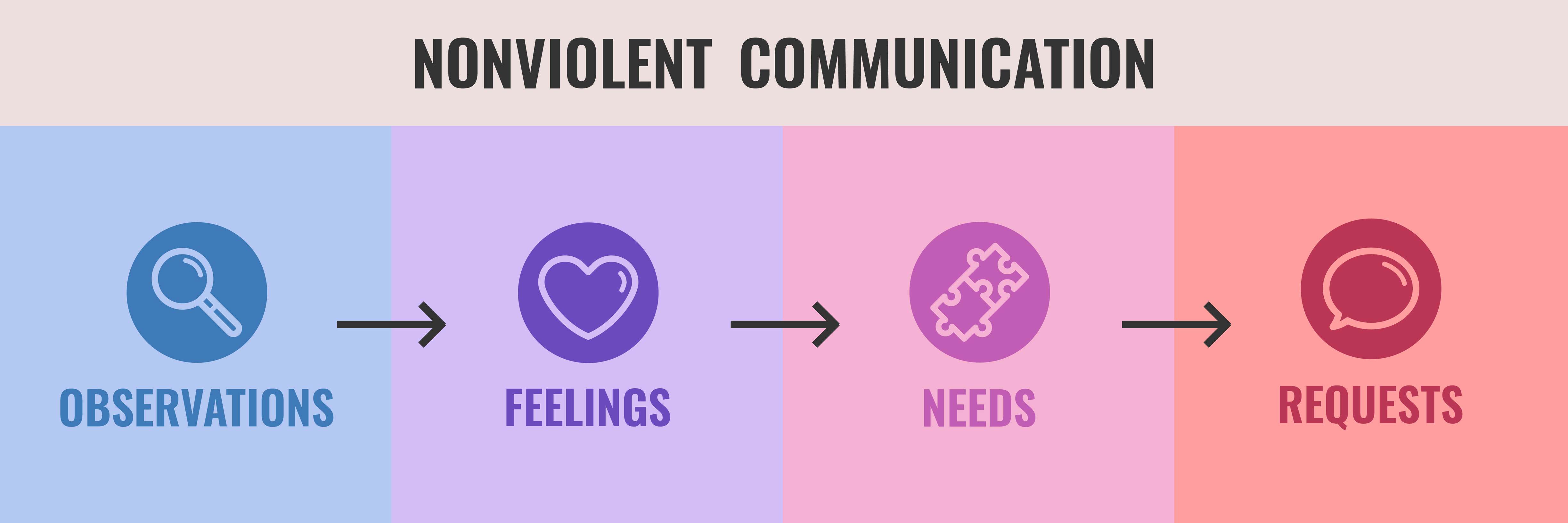
NVC works through four interconnected components:
Observation – Describing what happened without judgment or interpretation.
Feeling – Naming the emotion we’re experiencing in response to the observation.
Need – Identifying the universal human value or longing connected to that feeling.
Request – Asking for a specific action that could help meet that need.
When we approach conversations — especially conflict — with these four steps, we practice humility by refusing to assume we know it all, and we practice empathy by truly considering the other person’s reality. Together, they turn ordinary moments of tension into holy conversations.
“But the things that proceed out of the mouth come forth from the heart, and those things make the man unholy. For out of the heart come evil thoughts, murder, adultery, sexual immorality, theft, false witness, and slander. These are the things that make the man unholy; but to eat with unwashed hands does not make the man unholy.” (Mat 15:18-20, TLV)
Component 1: Observation – Seeing Without Judgment
“Set a guard, Adonai, over my mouth. Keep watch over the door of my lips.” (Psa 141:3, TLV)
Humility in conversation begins with the courage to see what’s happening without assigning blame, moral verdicts, or hidden motives. This first component of Nonviolent Communication (NVC) is deceptively simple: describe what you actually see or hear without judgment, evaluation, or interpretation.
An observation is a simple, verifiable description — what could be captured on camera or heard in an audio recording. A judgment or evaluation adds interpretation, assumption, and often a moral verdict.
“Do not judge according to appearance, but judge with righteous judgment.” (Jhn 7:24, NAS95)
Not all judgments are the same. While Adonai charges us to practice righteous judgment, most of the judgments people make about others are unrighteous. NVC makes an important distinction:
Value Judgments express the qualities we believe serve life—honesty, freedom, kindness, peace. These reflect our beliefs for how life can best flourish.
Moralistic Judgments are about labeling people as right or wrong, good or bad, based on whether they meet our values. They often imply that someone is “less than” or deserving of punishment if they fall short. Example: “He is lazy.” “She is selfish.”
Value judgments can lead to honest conversation about needs. Moralistic judgments usually lead to blame, insults, comparisons, and criticism — all of which close the door to empathy.
“A fool takes no pleasure in understanding, but only in expressing his opinion.” (Pro 18:2, ESV)
Moralistic judgments or evaluations can feel righteous, protective, even discerning, but it’s often fear, pride, or pain in disguise. Something triggers us—anger, anxiety, a sense of betrayal—and instead of naming our feelings or seeking understanding, we start constructing a story.
This is where unholy conversation begins:
We label, classify, and interpret the other person’s behavior.
We fill in the blanks about their motives and intentions.
We replace observation with assumption or unvoiced expectations.
In NVC, the jackal symbolizes life-alienating communication. As an animal, the jackal is low to the ground, a scavenger, competitive, and fierce. As a metaphor, it represents the reactive voice inside us that views the world through right/wrong, good/bad dualities and seeks to control through fear, guilt, and shame.
“Therefore you have no excuse, O man, every one of you who judges. For in passing judgment on another you condemn yourself, because you, the judge, practice the very same things.” (Rom 2:1, ESV)
The Bible presents a morality rooted in love, not merely rules. True compassion flows from deep connection and empathy, not from obligation or fear of breaking the Law. Yeshua acted out of heartfelt compassion—sharing in people’s pain—not because He “should.” Rules can restrain behavior, but love transforms it.
Dr. Henry Cloud, in Changes That Heal, illustrates this difference with a simple analogy. Imagine I hand you a baseball bat and give you permission to hit me. One
person says, “I wouldn’t because it’s wrong.” Another says, “I wouldn’t because I don’t want to hurt you.” Which would you trust more? The one motivated by empathy. When we care how our actions affect someone we’re connected to, love—not fear of punishment—guides us toward life-giving choices.
By contrast, the jackal mindset—comparable to the lower nature or ego—is far more self-focused. When offended or in conflict, it often shows up as an “inner interpreter” that jumps to conclusions, usually without evidence. It may sound like:
A defense attorney– “I have every right to feel this way.”
A mind reader– “She said that because she thinks I’m incompetent.”
A spiritual judge– “The Spirit showed me their true heart.”
A historian– “They always do this; they never change.”
A director– “I know where this is going; I’ve seen it before.”
“Now flee from youthful lusts and pursue righteousness, faith, love and peace, with those who call on the Lord from a pure heart. But refuse foolish and ignorant speculations, knowing that they produce quarrels.” (2Ti 2:22-23, NAS95)
“Do not be quickly provoked in your spirit, for anger settles in the bosom of fools.” (Ecc 7:9, TLV)
This voice is not neutral. It draws from our fears, wounds, and ego. The most dangerous false narratives are not those in today’s media, but the stories we create in our minds about the heart and motives of others. We tell ourselves what their words really meant, how they must feel about us, and who they must be, deep down. This sort of judgment belongs to God alone.
“Do not speak against one another, brethren. He who speaks against a brother or judges his brother, speaks against the law and judges the law; but if you judge the law, you are not a doer of the law but a judge of it. There is only one Lawgiver and Judge, the One who is able to save and to destroy; but who are you who judge your neighbor?” (Jas 4:11-12, NAS95)
The Four D’s – How the Jackal Speaks
The jackal’s inner interpreter tends to communicate in four main ways—what NVC calls the Four D’s of Disconnection:
Deserving – Sorting people into those who deserve reward and those who deserve punishment. “She doesn’t deserve my trust after what she did.”
Diagnosing – Judging, labeling, and making assumptions about motives. “The problem with you is that you’re selfish.”
Denying Choice – Using guilt and blame to avoid responsibility. “I have to do it because you won’t.” or “You made me so angry.”
Demanding – Pushing compliance through fear or control. “You’d better do this if you know what’s good for you.”
In each case, the jackal focuses on accusing or controlling the other person instead of seeking to understand or connect.
“A single witness shall not rise up against a man on account of any iniquity or any sin which he has committed; on the evidence of two or three witnesses a matter shall be confirmed. If a malicious witness rises up against a man to accuse him of wrongdoing, then both the men who have the dispute shall stand before the LORD, before the priests and the judges who will be in office in those days. The judges shall investigate thoroughly, and if the witness is a false witness and he has accused his brother falsely, then you shall do to him just as he had intended to do to his brother. Thus you shall purge the evil from among you.” (Deu 19:15-19, NAS95)
By contrast, the giraffe represents life-serving communication. With the largest heart of any land animal and the longest neck for perspective, the giraffe reminds us to speak from the heart and keep the bigger picture in view.
The Four R’s of the giraffe guide us toward humility and empathy:
Remembering – We are all unique, interconnected, and interdependent.
Respecting – Ourselves and others, knowing we’re all trying to meet legitimate needs.
Taking Responsibility – For our beliefs, feelings, thoughts, and actions.
Requesting – Inviting, not demanding, and accepting “yes” or “no” as a step toward dialogue.
Righteous judgment begins with clarity, and clarity begins with what we have actually observed. The clearest way to silence the jackal and speak giraffe is to start with an observation. An observation is a simple, verifiable description. Ask: Could this be recorded on video or audio exactly as I’m describing it? If not, it’s probably a judgment.
Judgment/Evaluation: “You’ve been ignoring me.”
Observation: “We haven’t spoken in two months.”
The first closes the door to dialogue; the second leaves room for the other person’s perspective. Making observations without judgment slows us down. It creates a pause in which God can work in us and in the relationship. It honors truth, preserves dignity, and keeps conflict as an opportunity for reconciliation rather than a catalyst for division.
“So take care how you listen; for whoever has, to him more shall be given; and whoever does not have, even what he thinks he has shall be taken away from him.” (Luk 8:18, NAS95)
Humility keeps us from usurping God’s role as the Judge of hearts. Observation keeps us tethered to truth instead of imagination. And empathy—rooted in humility—keeps our hearts open long enough for reconciliation to be possible.
“Be merciful, just as your Father is merciful. Do not judge, and you will not be judged; and do not condemn, and you will not be condemned; pardon, and you will be pardoned. Give, and it will be given to you. They will pour into your lap a good measure—pressed down, shaken together, and running over. For by your standard of measure it will be measured to you in return.” (Luk 6:36-38, NAS95)
When we replace the Four D’s with the Four R’s, we move from reactive, fear-based communication to relational, heart-centered conversation. This is the ground where the rest of NVC—and the work of the Spirit—can take root.
“Put away from you a deceitful mouth and put devious speech far from you. Let your eyes look directly ahead and let your gaze be fixed straight in front of you.” (Pro 4:24-25, NAS95)
Component 2: Naming Our Feelings
Taking responsibility for our own feelings is central to holy conversation. “No matter what has happened, we are all responsible for how we feel one hundred percent of the time. How we feel is a direct reflection of our thoughts, [beliefs, and values]. Change your perspective about an incident and you will change how you feel.”[2]
This shifts the focus from, “You made me feel…” to, “When this happened, I felt…” That small change keeps us from assigning blame for our emotional state and instead allows us to own our internal experience. In relationships, people often say things like, “You’re annoying me,” “That really hurt my feelings,” or “You’re driving me crazy.” This is blame language—it attributes our feelings to someone else’s behavior and makes them “wrong or bad” for making us feel unpleasant. In reality, the other person’s words or actions are the stimulus for our feelings, not the cause.
“Brothers and sisters, do not be children in your thinking; yet in evil be infants, but in your thinking be mature.” (1 Co 14:20, NASB)
Taking responsibility for emotions doesn’t mean pretending not to hurt—it means owning what is ours to steward and refusing to hand that responsibility over to someone else. It also doesn’t excuse harmful behavior in others. Instead, it ensures that our own response is governed by the Spirit rather than by emotional reactivity.
“He who restrains his words has knowledge, and he who has a cool spirit is a man of understanding.” (Pro 17:27, NAS95)
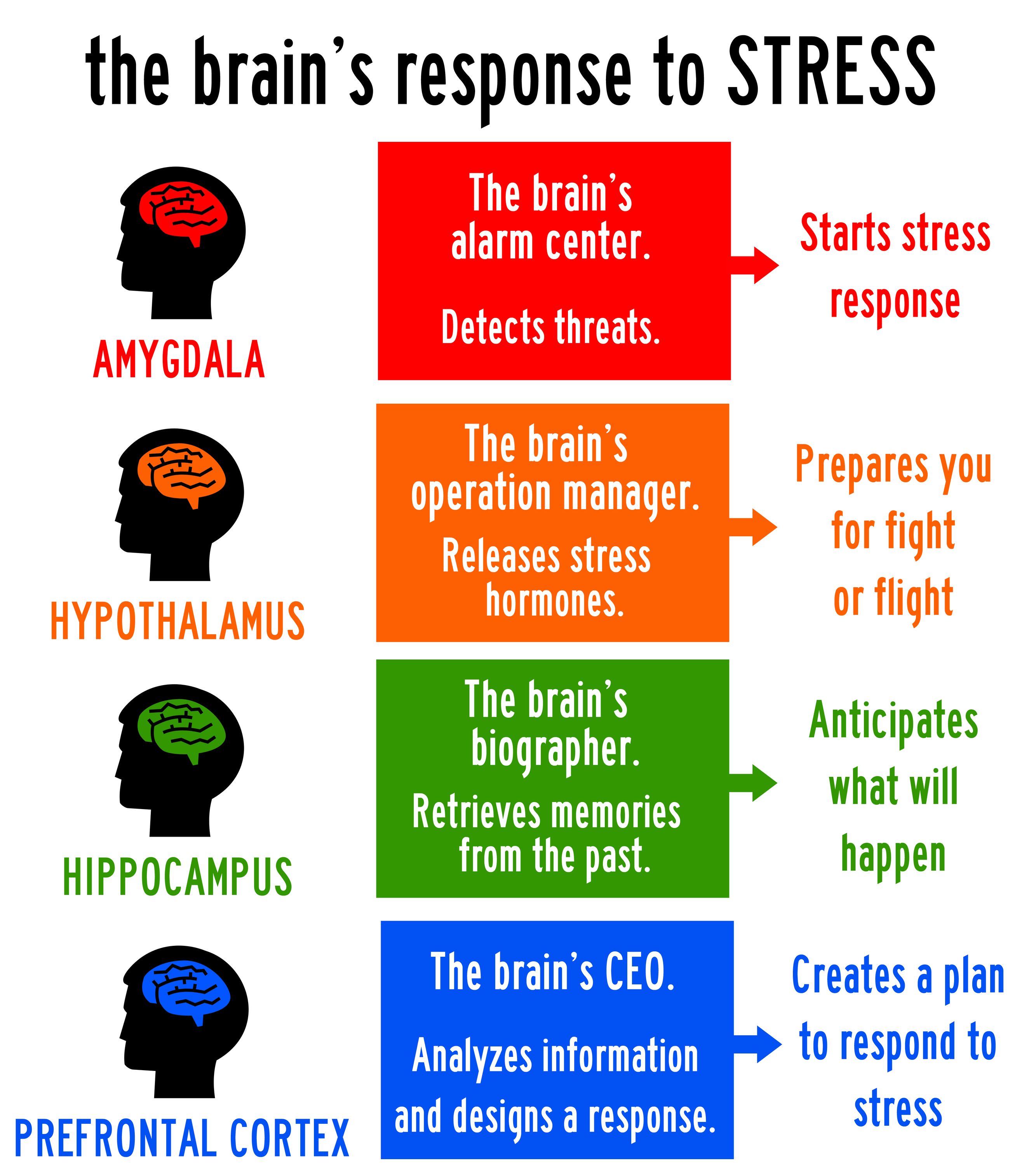
One of the most powerful tools for doing this is naming the emotion we are feeling. If we struggle to identify what we feel, it’s often because our brain is operating from the limbic system—the emotional center that includes the amygdala, our built-in alarm system. While the amygdala is helpful in emergencies, it can be destructive in relationships. Neuroscience shows that when we label our feelings, we engage the prefrontal cortex—the brain’s reasoning and empathy center. This shift helps quiet the amygdala’s alarm, regulate our nervous system, and bring clarity and calm. It’s as if naming the emotion tells the body, You’ve been heard; you can stand down now. From this grounded place, our words are more likely to be gracious and constructive.
However, naming feelings requires care. The first guideline is to differentiate between a feeling and what we are thinking. For example:
“I feel betrayed” is an accusation, not a feeling. A nonjudgmental statement would be, “When you lied about where you were, I felt shocked and hurt, because I value honesty and faithfulness.”
“I feel that you don’t love me enough” is an interpretation of actions (or inaction). A truer expression might be, “I feel sad and lonely when we don’t spend time together.”
“I feel misunderstood” is an evaluation of someone else’s understanding. A more accurate statement would be, “I’m feeling anxious or annoyed about our communication.”
When we disguise thoughts and judgments as feelings, they often sound like blame. And when the other person feels blamed, their natural reaction is to defend, explain, or counterattack—shutting down connection.
“Do you see someone hasty in his words? There is more hope for a fool than him.” (Pro 29:20, TLV)
“If anyone thinks himself to be religious, and yet does not bridle his tongue but deceives his own heart, this man’s religion is worthless.” (Jas 1:26, NAS95)
Clear feelings language does the opposite. It lowers defenses because it says, “This is what’s happening in me,” rather than, “This is what’s wrong with you.” These small shifts in wording can make a huge difference in how our words are received.
Judgment disguised as feeling: “I feel manipulated.” Pure feeling: “I feel uneasy and anxious about this conversation.”
Judgment disguised as feeling: “I feel rejected.” Pure feeling: “I feel lonely and hurt when I don’t hear back from you.”
Judgment disguised as feeling: “I feel attacked.” Pure feeling: “I feel tense and unsafe when voices get raised.”
Once we’ve learned to take ownership of our own emotions, love calls us to extend the same care to others. Part of responsibility in communication is ensuring the other person’s feelings are adequately heard. Sometimes this means gently guessing what they might be feeling—not to project or assume, but to offer a bridge: “It sounds like you might be feeling… Is that right?” Even if we miss the mark, we show that their inner life matters enough for us to try.
“Let your speech always be with grace, seasoned with salt, to know how you ought to answer everyone.” (Col 4:6, TLV)
Too much or too little salt makes food inedible or unpleasant. In the same way, wise words are measured, thoughtful, and responsive—not reactive. Owning our emotions and honoring the emotions of others is one way to keep our speech seasoned with grace, opening the gates of righteous judgment in every conversation.
“Have I not wept for the one whose life is hard? Was not my soul grieved for the needy?” (Job 30:25, NAS95)
Component 3: Needs
“The wisdom of the wise is to understand his way, but the foolishness of fools is deceit.” (Pro 14:8, LITV)
If naming emotions helps us take responsibility for our inner world, identifying the needs behind those emotions helps us understand why we feel what we feel and what may lead to resolution or restoration.
Needs are the things we can’t live without like air, food, water, and shelter. But they also represent our values, wants, dreams, desires, and preferences for a happier and/or more meaningful experience as a human. Although we have different needs in differing amounts at different times, they are universal in all of us. When they are unmet, we experience feelings, and when they are met, we experience feelings.
When a need is met, we feel gratitude, peace, joy, or security. When a need is unmet, we feel sadness, fear, frustration, or discouragement. Thus, needs are not inherently sinful, but they can become dangerous when we seek to fill them apart from God or demand that others meet them on our terms. Recognizing needs gives us clarity. For example:
Anger may signal a need for fairness, safety, or respect.
Sadness may reveal a need for comfort, connection, or reassurance.
Anxiety may point to a need for security, stability, or guidance.
When we stop at the surface emotion, we may misdirect our energy toward punishing someone for how we feel. But when we ask, What need is underneath this?, we invite God to show us where we are truly lacking and how He might meet us there.
“Know this, my dear brothers and sisters: let every person be quick to listen, slow to speak, and slow to anger— for human anger doesn’t produce the righteousness of God.” (Jas 1:19-20, TLV)
When we see the need beneath the emotion, our perspective shifts. Where we once assumed bad motives or sinfulness, we now see an unmet need—an opportunity for empathy instead of judgment.
“The intent of a man’s heart is deep water, but a man of insight draws it out.” (Pro 20:5, TLV)
Identifying needs is not about excusing hurtful actions, it is about moving from accusation to curiosity. It opens the possibility for understanding, for asking questions that draw out the heart, and for finding solutions that honor both parties.
In the language of holy conversation, needs become a bridge. When we can say, “I’m feeling anxious because I need reassurance about this decision,” we give the other person something concrete to respond to, something that can be discussed, negotiated, or supported. In contrast, “You’re making me anxious” blames, accuses, and closes the door.
Needs also invite prayer. When we name a need before God, we position ourselves to receive from Him first, whether through His direct comfort or through the help of others.
“Do not let any unwholesome talk come out of your mouths, but only what is helpful for building others up according to their needs, that it may benefit those who listen.” (Eph 4:29, NIV)
The Jackal and Giraffe Approaches to Needs
Jackal often disguises needs behind demands, moralistic judgments, or blame:
“You should listen to me.” (need for being heard)
“You’re selfish.” (need for cooperation)
“You never spend time with me.” (need for connection)
Giraffe makes needs explicit and mutual:
“I need to know my voice matters in our conversations.”
“I’m longing for more cooperation as we share this workload.”
“I’d like to spend more time together because I value our friendship.”
Four D’s of a Jackal (life-alienating needs language)
Deserving – “I’ve worked hard all day; I deserve to be left alone.”
Diagnosing – “You’re lazy; that’s why you didn’t help.”
Denying Choice – “I have to do everything around here because no one else will.”
Demanding – “You must call me every day.”
Four R’s of a Giraffe (life-giving needs language)
Remembering – “I’m needing some rest and quiet after a long day, and I know you need time together—can we plan both?”
Respecting – “I need help with the chores, and I respect that you’ve had a full schedule too—can we divide the tasks?”
Taking Responsibility – “I feel overwhelmed doing this alone, and I’d like to find a way we can share the work.”
Requesting – “I feel connected when we talk regularly—would you be willing to check in each week?”
Jackal language tells people what they’ve done wrong. Giraffe language tells people what would make life better—for both of you. When we connect our emotions to our needs, we gain insight, self-control, and compassion. We also prepare ourselves for the next step: expressing those needs in the form of a clear, respectful request, rather than a demand.
“Bear one another’s burdens, and in this way you fulfill the Torah of Messiah.” (Gal 6:2, TLV)
Component 4: Requests
“Ask, and it will be given to you; seek, and you will find; knock, and it will be opened to you. For everyone who asks receives, and he who seeks finds, and to him who knocks it will be opened. Or what man is there among you who, when his son asks for a loaf, will give him a stone? Or if he asks for a fish, he will not give him a snake, will he? If you then, being evil, know how to give good gifts to your children, how much more will your Father who is in heaven give what is good to those who ask Him!” (Mat 7:7-11, NAS95)
If identifying observations, feelings, and needs lays the foundation, then requests are where the rubber meets the road. A request is simply an invitation to
meet a need—yours or another’s—in a way that keeps the dignity of both people intact.The request is the ebb and flow of giving and receiving, back and forth, that provides the opportunity for everyone’s needs to be met.
The difference between a request and a demand is not in the wording—it’s in the spirit behind it.
A demand communicates: “Do this or else you’ll be judged, shamed, or punished.”
A request communicates: “Here’s what I would like—are you willing?”and leaves room for freedom, dialogue, and even a “no” without retaliation.
Marshall Rosenberg observed that when people hear a demand, they immediately weigh how to protect their own autonomy. Even if they comply, it will likely be from fear, guilt, or resentment, not from a place of love and giving from the heart.
Making requests also tests the sincerity of our humility. Philippians 2:4 says, “Let each of you look not only to his own interests, but also to the interests of others.” A request honors the other person’s perspective and interests too. It says, “I value you enough to ask, not assume or coerce.”
When we turn needs into demands, we put the relationship at risk—because if the demand isn’t met, the next step is judgment and punishment, which is how idols of the heart are created. But when we turn needs into requests, we plant seeds for mutual understanding and cooperation.
Why We Avoid Requests
Many of us struggle to make clear, direct requests because we:
Fear rejection or disappointment.
Assume the other person “should” already know what we need.
Confuse hinting or complaining with asking.
But unspoken expectations are a breeding ground for offense and resentment.
Making Effective Requests
In NVC, a good request is:
Specific and Concrete – “Would you be willing to call me when you’re running late?” instead of “Don’t keep me waiting.”
Positive – Focus on what you do want, not what you don’t.
Present and Actionable – Something that can be done here and now, not a vague future hope.
Mutual – Open to negotiation, recognizing the other person’s needs too.
Specific requests honor both parties’ dignity by removing guesswork and replacing accusation with clarity. A vague request, by contrast, is like leaving the gate half-shut. The other person can’t see clearly what you are asking, and the conversation is more likely to be derailed by assumptions, defensiveness, or hurt.
To ensure our requests are clear and specific, it is helpful to ask the other person one of the following questions:
“How do you feel about what I just asked for, and why?”
“Do you think this approach will work?”
“Do you feel what I’m asking is reasonable?”
These follow-up questions communicate that our request is not a demand but an opening for partnership. They turn the conversation from a one-sided declaration into a two-way bridge that can bear the weight of empathy, creativity, and mutual care.
Two Parts of NVC: Speaking and Listening in Humility
Expressing With Honesty
When we express ourselves with honesty and vulnerability, we give others the gift of knowing our heart without them having to guess. This means:
Honestly expressing nonjudgmental observations, your own feelings, and needs. “When I hear (or see)… I feel… because I need… Would you be willing to…?”
Having the courage to be vulnerable instead of hiding behind blame or generalizations.
Making clear, detailed requests rather than hinting, complaining, or assuming the other person “should just know.”
Humility allows us to expose our needs without shame, trusting that the other person can respond freely—yes, no, or with a counter-proposal—without it diminishing our worth.
“The one who states his case first seems right, until the other comes and examines him” (Proverbs 18:17).
Providing empathy means listening in a way that draws the other person out and helps them connect with their own heart. It requires:
Presence – staying focused on them without distraction.
Space – resisting the urge to jump in with your own story or opinion.
Verbal reflection of feelings and needs: “Are you feeling…?” “Are you needing…?”
Avoiding the habits that shut down connection: Advising, Fixing, Consoling, Storytelling, Sympathizing, Analyzing, Explaining, Defending
In this mode, no matter what is said, we listen for only four things: observations, feelings, needs, and requests. We don’t rush to respond with our own request unless invited—either by a sign from the other person that they are ready or by an explicit ask.
Holy conversation is more than polite speech, it is a way of life shaped by humility, truth, and love. It guards the “gates” of our words so that what passes through builds bridges, not walls. When we practice awareness, avoid premature judgments, own our emotions, identify the needs beneath them, and make gracious requests, we participate in God’s work of reconciliation. In speaking this way, we reflect the Messiah, who is “full of grace and truth” (John 1:14). Our manner of life—our conversation in the biblical sense—becomes a living witness of the Kingdom of Heaven.
“The path of the righteous is like the light of dawn, shining brighter and brighter until the full day. The way of the wicked is like darkness. They do not know what makes them stumble.” (Pro 4:18-19, TLV)
In this season, just a month prior to Passover, we read the Book of Esther and celebrate how Adonai used her and Mordecai to overturn Haman’s wicked plans against the Jewish people in Persia. Esther’s story is one of divine reversals: an orphan ascends to royalty, while a nobleman’s pride ensures his downfall. At its heart, Esther’s story presents a choice: will we lead with humility and courage like Esther, or allow pride and offense to consume us like Haman?
As I prepare for the Creative Leadership Retreat during Purim, I find myself in the midst of a two-and-a-half-month battle with offense, and testing in trust and patience in my personal life. Rather than focusing outward—on people or circumstances—I have sought to look inward, examining my own heart, which has been revealing. These seasons of pressing expose what truly lies within us, offering an opportunity for growth, repentance, and transformation. They remind us that leadership begins with mastering the inner world. May Adonai strengthen us as we seek His counsel, choosing the path of life and maturity.
"It is impossible to be spiritually mature
while remaining emotionally immature."
- Peter Scazzero
The Biblical Role of Stars and Leadership
The name Esther means star, a luminary in the night sky. The first mention of stars in the Bible occurs on the fourth day of creation when God placed them in the heavens along with the moon to govern the night (Genesis 1:16). These celestial luminaries were given authority to separate day from night, serve as signs and for seasons (moedim), and to give light to the earth.
Similarly, righteous leaders illuminate truth and provide guidance. In Judges 5, the tribes of Israel are described as stars fighting in their courses against Sisera under Deborah’s leadership. Daniel affirms this metaphor:
“Those who are wise will shine like the brightness of the heavenly expanse, and those who turn many to righteousness will be like the stars forever and ever.” (Daniel 12:3)
In Joseph’s dream of the sun, moon, and stars, the luminaries represent his father, mother, and brothers.[1]Leadership, then, is about embodying wisdom and righteousness to illuminate the path for others.
But not all stars shine with true light. Some are wandering stars, drifting from God’s course and leading others astray. Jude warns of such figures. They are like:
“Wild waves of the sea, casting up their own shame like foam; wandering stars, for whom the black darkness has been reserved forever.” (Jud 1:13, NAS95)
What distinguishes true luminaries from false ones?
True leadership begins not with external success,
 but with deep internal transformation.
A Parable in the Heavens: Leadership as a Mashal
This concept is even embedded in the Hebrew language itself. The word memshalah (מֶמְשָׁלָה) is used in Genesis 1:16 to describe the stars’ governing role. It means dominion, rule, authority, or realm, similar to how a leader exercises authority over people. Interestingly, this word comes from the root mashal (מָשָׁל), meaning “to rule” but also “to compare,” which is why the noun mashal means a “proverb or parable.”
This linguistic link teaches that leadership itself is a parable, requiring discernment to distinguish true luminaries from deceptive ones. Appearances can be deceiving—someone may say the right things, display the right signs, yet be a false light. Conversely, one who appears unconventional or misunderstood may be truly following Adonai’s righteous path.
So how do we discern the difference – especially in our own heart?
Star Signs
One of the duties of the luminaries is to be for signs (otot pl.) to the earth. An ot is a sign, signal, mark, or miracle.
Stars serve as navigational guides for the lost, shining not for themselves but to direct others.Likewise, leaders influence those who follow them.The danger is that even false light, a deceived leader, can perform true signs, but their counsel leads astray.
A deceiver deceives because they are deceived. Haman didn’t know he was a wicked leader – he was simply a man living by his instincts. This is true of all “wandering stars.” it isn’t an accident that the world calls people who pretend to be someone else “stars.”
Lech Lecha: Leading from Within
“And YHWH says to Abram, ‘Go for yourself, from your land, and from your family, and from the house of your father, to the land which I show you.’” (Gen 12:1, LSV)
Abraham’s journey begins with the words Lech Lecha, which means “Go to Yourself.” This is the quest of all of Abraham’s starry descendants.[2] While Abraham was physically leaving his country and family of origin, the first step was not an outward going, but an inward one.
Go to Yourself. This is the last place most of us dare to venture. It’s too difficult, too emotional, too painful.
We don’t want to look there. And there are so many outward distractions—so much to do, so many causes to fight for, so much media to consume, places to visit, and things to buy. The outward list is endless. We don’t want to miss a thing. And if we stay busy enough, we can avoid Lech Lecha altogether.
It’s a fog, an ether that keeps us in a stupor, asleep and docile so we don’t change and grow spiritually. In this numb state, our busyness feels like progress, but it is a lie. When stress, fatigue, loneliness, unfulfillment, anger, sadness, and fear fester, they turn into anxiety, depression, resentment, and bitterness. And then we seek to numb the pain— to make it feel okay – through addictions, distractions, or indulgences.
But it’s not okay. And if you’re a leader—it’s really NOT okay.
"Without knowledge of self,
there is no knowledge of God."
– Augustine
Cain: A Wandering Star
One of the reasons God gave us emotions is to indicate when something is off. When Cain was angry, God told him if he did tov (good), there would be a lifting up, but if he didn’t do tov, sin was crouching at the door like a beast, and its desire was for him, but he should mashal (master/rule) it. Cain didn’t choose tov. He chose ra (evil) and killed his brother.
The issue wasn’t Cain’s emotions—it was how he handled them. His anger was an indicator that something was wrong. Instead of examining himself, he projected his rage outward.
What if Cain had done what Abraham did?
What if he went to himself—looked inward and asked God why he was so triggered by his brother?
Did he believe a lie—that God loved Abel more?
Is that why he was jealous?
This story could have had a much different outcome if Cain had learned to RULE HIMSELF with God’s help.
Mastering the Inner World
As we explore righteous leaders, notice how they mashal (rule or lead) themselves before they lead other people. Contrast this with the wild and even explosive emotions of wicked leaders like Haman. Peter Scazzero in Emotionally Healthy Spirituality states that emotional health and spiritual maturity are inseparable.[3]
Paul teaches this in Galatians 5:
Works of the flesh are negative emotions and their destructive consequences when not ruled by the Word and Spirit.
Fruits of the Spirit are positive emotions and their godly outflow.
Ruling over our emotions does not mean denying, suppressing, or ignoring them. That’s how they manifest as works of the flesh. Instead, negative emotions must be taken to Yeshua, and even confessed to trusted brothers and sisters for healing.
“Therefore, openly acknowledge your sins to one another, and pray for each other, so that you may be healed. The prayer of a righteous person is powerful and effective.” (Jas 5:16, CJB)
Leaders must lead themselves first. If you can’t govern yourself, you can’t govern others – at least not in a healthy way. Those who do not address their emotional wounds and struggles will inevitably lead from a place of brokenness, manifesting works of the flesh such as jealousy, suspicions, strife, and offense. Worse, immorality and idolatry quickly follow. We must deal with them or risk becoming a wandering star.
"Ignoring our emotions is turning our back on reality;
listening to our emotions ushers us into reality.
And reality is where we meet God.”
- Peter Scazzero
Emotionally Immature Leaders
In Isaiah 14, the king of Babylon is portrayed as the star of the morning.[4] Jude warns about individuals such as Cain, Balaam, and Korah, calling them:
“Wandering stars, for whom the blackest darkness has been reserved forever.” (Jude 1:13, NIV)
These are leaders who drifted from God’s path. Instead of illuminating the way for others, they became stumbling blocks. Note how each example below is a person who is not of Israel. They are foreigners. They are NOT children of Abraham. But at any moment, had they sought the God of Israel, they could have become a spiritual child of Abraham like Rahab and Ruth and left their “foreignness” behind. The Bible gives us many examples of false luminaries, but we will only examine a few and one of the most dangerous emotional issues: offense.
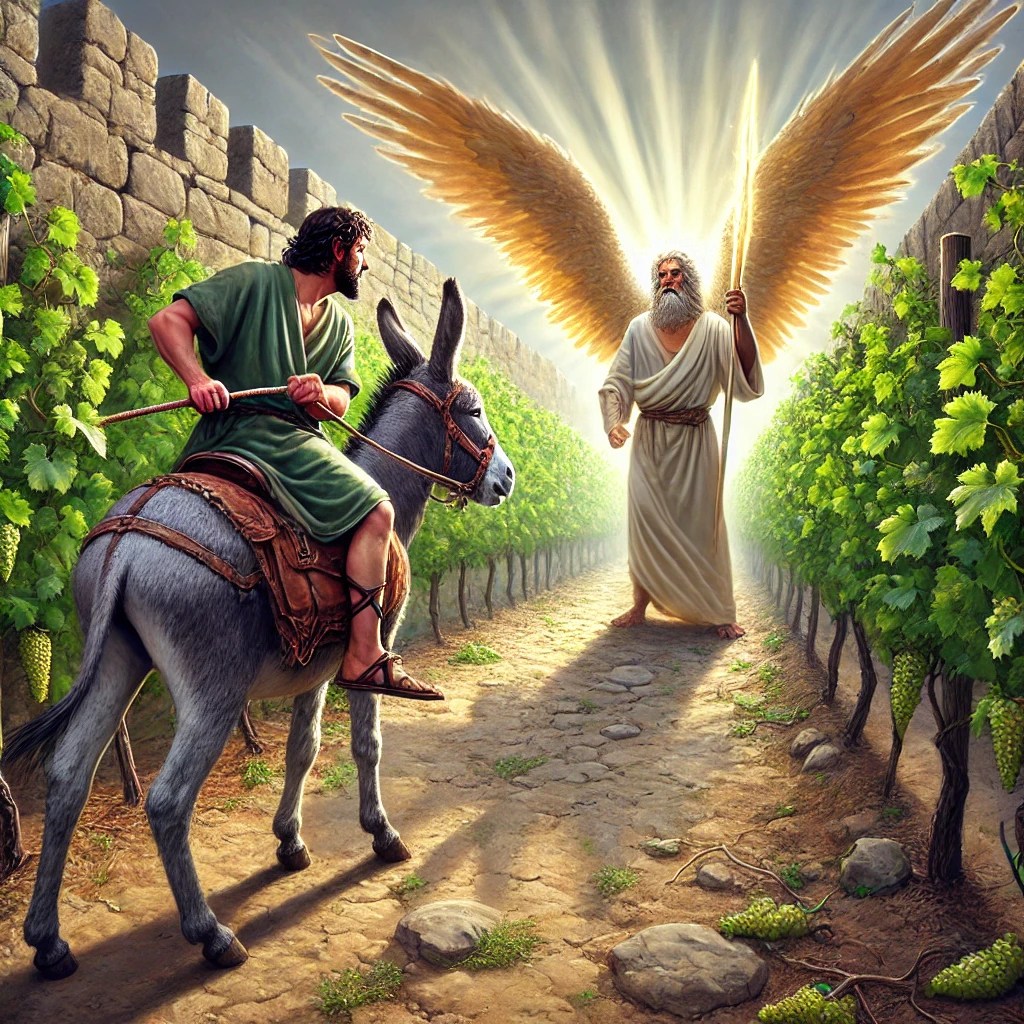
Balaam – A spiritually blind seer who became offended at God and his faithful ass who stood in his way of honor and wealth.
Jezebel – A queen who was offended by the truth and the prophet Elijah, dominated through manipulation, and murdered innocents through the testimony of false witnesses.
Haman – Persia’s second highest official was offended when Mordecai wouldn’t bow down to him, which led him devise a plan of genocide.
Do you see the emotions driving these figures? Anger, pride, jealousy, and offense led them astray. Every emotion (including offense), if directed properly, can bring a person closer to God.
“Emotions are more than feelings;
they are the expressions of our values
and evaluations that affect motives
and conduct.” -
Brian Borgman, Faith And Feelings
Esther: A Righteous Star
While stars can represent angelic beings, the Bible also uses luminary symbolism for earthly leaders and people.[5] Esther’s journey illustrates righteous leadership in the midst of exile, which is often symbolized through the metaphor of night and darkness. She began as an orphan, hidden from public eye, but through faithfulness and humility, she rose to become queen—ultimately risking her life to save her people.
At first glance, it might seem deceptive for her to conceal her true identity. But this was a divine strategy that led to the salvation of the Jewish people.
Her antagonist, Haman, rose to the second highest position in Persia. Like Joseph, who became the second in command of Egypt, Haman could have been a guiding light not only for Persia, but for the many other peoples in their 127 provinces. Like all men, his downfall was his pride. A small offense festered into rage and a spirit of genocide.
Do you see the feelings or emotions shining in these short summations?
The Star of Jacob
Ironically, God placed one of the greatest Messianic prophecies in the mouth of a wandering star—Balaam.
“I see him, but not now; I behold him, but not near; a star shall come forth from Jacob, a scepter shall rise from Israel, and shall crush through the forehead of Moab…” (Numbers 24:17)
This star from Jacob is Messiah Yeshua. A literal star guided the magi from the east to Yeshua’s birthplace:
“Where is He who has been born King of the Jews? For we saw His star in the east and have come to worship Him.” (Matthew 2:2)
Later, Yeshua compares Himself to the Morning Star—the righteous counterpart to the fallen king of Babylon in Isaiah 14:
“I, Yeshua, have sent My angel to testify these things to you for My communities. I am the Root and the Offspring of David, the Bright and Morning Star.” (Revelation 22:16)
In Revelation 1, John sees Yeshua standing among seven golden lampstands:
“In His right hand He held seven stars, and out of His mouth came forth a sharp, two-edged sword. His face was like the sun shining at full strength.”
Yeshua then explains:
“As for the mystery of the seven stars that you saw in My right hand, and the seven golden menorot—the seven stars are the angels of Messiah’s seven communities, and the seven menorahs are the seven communities.”
Dr. Alewine[6] teaches in The Creation Gospel,[7] that each assembly represents one of the seven feasts of Adonai. The feasts are guideposts that illuminate the spiritual process of growth and maturity through the natural agricultural process. The is why the word for seasons and feasts is the same Hebrew word: moedim.[8] The feasts are divine appointments with the Lord, but so are the seven assemblies.
Each assembly is like a classroom where disciples learn about common pitfalls and how to correct their course. Yeshua rebukes two corrupt influences in Pergamum and Thyatira: Balaam and Jezebel. These figures reveal the dangers of unchecked emotions – especially offense.
The Classrooms of Pergamum and Thyatira
The pattern of sevens represents spiritual growth and maturity. As the resurrection assembly, transformation should be evident in the third church of Pergamum —yet this is precisely where many stumble.
In the Torah, the purification ritual to be cleansed from the realm of death occurred on the third and seventh day—a pattern showing that the third stage is critical for transformation (Numbers 19:11-13). Likewise, Passover lambs were inspected for four days prior to their sacrifice. If any blemishes were present, they would be exposed during these days.
Rather than showing growth and maturity in the LORD, what occurs more often, is a regression, not a progression. We stumble over the very thing that is designed to help us grow and mature.We are taken captive to do the will of the enemy.
“The Lord’s bond-servant must not be quarrelsome, but be kind to all, able to teach, patient when wronged, with gentleness correcting those who are in opposition, if perhaps God may grant them repentance leading to the knowledge of the truth, and they may come to their senses and escape from the snare of the devil, having been held captive by him to do his will.” (2Ti 2:24-26, NAS95)
Pergamum: The Danger of Offense
Pergamum means height or elevation and aligns with the third feast of first fruits, symbolizing resurrection life. Yet, Yeshua warns that some in this assembly followed Balaam’s teaching, which is characterized as committing acts of immorality and eating things sacrificed to idols (Revelation 2:14).
The third Spirit of Adonai is counsel (etzah),[9] a cognate with the word for tree (etz), and trees were created on the third day of creation.[10] Negatively, the third wicked spirit is “hands that shed innocent blood.”[11]
Yeshua said that Balaam places a stumbling block before His people – something that causes them to trip in their walk with Adonai. The Greek word for stumbling block is skandalon , which is the bait in a trap or snare. But this is also the word for offense. Spiritually, offense is the bait in the trap of Satan.[12] Yeshua warned:
“And then many will be offended, will betray one another, and will hate one another. Then many false prophets will rise up and deceive many. And because lawlessness will abound, the love of many will grow cold.” (Mat 24:10-12, NKJV)
Notice the growth or progression of offense. It is a downward spiral:
Offense → Someone is wronged, slighted, or disappointed (intentionally or unintentionally).
Betrayal → They turn against the person who “wronged” them.
Hatred → Resentment hardens into bitterness or contempt.
Deception → False prophets and their messages flourish in an offended heart.
Lawlessness → Rejection of God’s truth follows.
Cold Love → The heart hardens, cutting off relationship with God and others.
Yeshua’s message to Pergamum warns that offense leads to idolatry. It “counsels” one to rise up and act upon negative emotions and attack the offender with physical blows or with unholy tongues of destruction, all while believing they are in the “right.”
Offenses place personal grievances
above God’s sovereignty.
An offended person has not died to self, or the “old man” is trying to rise and live again. In a warning about idolatry, Paul reminds the Colossians:
“For you have died, and your life is hidden with Messiah in God. When Messiah, who is your life, is revealed, then you also will be revealed with Him, in glory! Therefore, put to death what is earthly in you—sexual immorality, impurity, lust, evil desire, and greed—for that is idolatry.” (Col 3:3-5, TLV)
The remedy to offense is in Yeshua’s introduction to Pergamum. He called Himself the “One who has the sharp two-edged sword.”[13] The sword is the Word of God, which “cuts right through to where soul meets spirit and joints meet marrow, and it is quick to judge the inner reflections and attitudes of the heart.”[14]
If we submit our offenses to Him, we will overcome—and He will give us hidden manna and a new name.
A new identity.
A new sustenance.
A new path.
Counting the Omer: A Test of the Heart
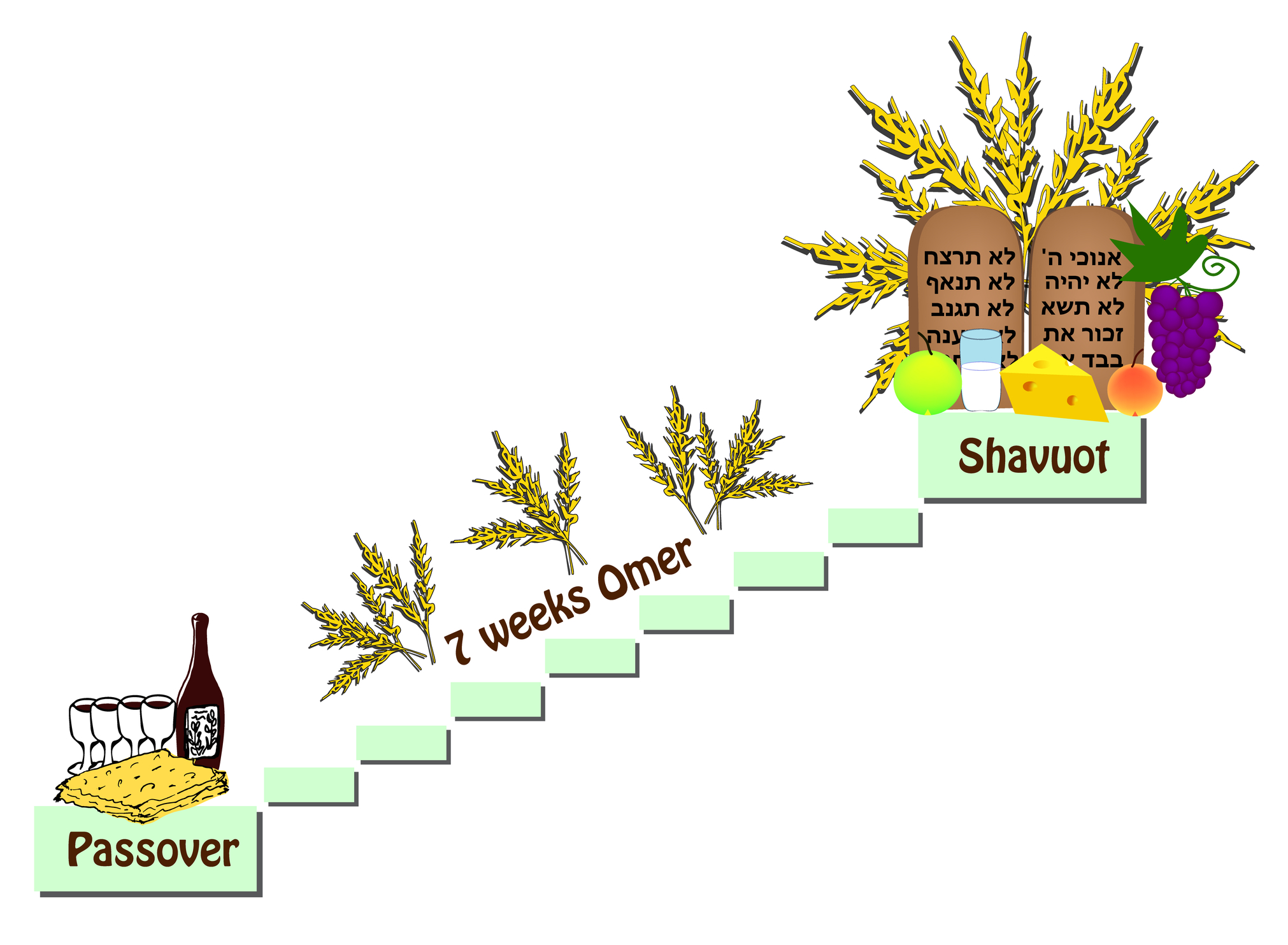
The third feast (Firstfruits) is directly connected to the fourth feast (Shavuot/Pentecost) through the counting of the omer—a journey of firstfruits to firstfruits, seven times seven, or fifty days. Notice that both feasts focus on fruit.
Have you ever wondered why God commands us to count the days and weeks between these two festivals?
Counting forces us to be aware
 of our spiritual growth.
The Hebrew word for count is same as the word in God’s promise to Abraham:
“Look up at the heavens and count the stars—if indeed you can count them.” (Genesis 15:5)
For Abraham, counting the stars bolstered his faith in God’s promise—despite how things looked in the natural. Counting the omer serves a similar purpose. God would not command us to count if it didn’t accomplish a spiritual work in us.
The physical action has an inner spiritual counterpart—preparing us for the Revelation at Pentecost. By the time we complete the count, we should have a NEW offering for the Lord (Leviticus 23:16).
Manna: Provision and a Test
Counting of the omer shares a thematic connection with the heavenly manna. It was both a provision and a test.
Then the LORD said to Moses, ‘Behold, I will rain bread from heaven for you; and the people shall go out and gather a day’s portion every day, that I may test them, whether or not they will walk in My instruction.’” (Exodus 16:4)
Each person could gather only an omer—no more, no less. If they hoarded it, it bred worms and stank. How could something from heaven—a picture of Yeshua and the Word of God—become putrid or offensive?
When people try to use the Word for selfish gain, it rots. When offended people twist Scripture to justify unforgiveness, anger, or pride, it breeds spiritual worms.
This is why Yeshua compared Himself to the manna: “I am the bread that came down from heaven.” (John 6:41) And what was their reaction?
“This is a hard teaching. Who can accept it?” But Yeshua knew His disciples were murmuring, so He said to them, ‘Does this offend you?’” (John 6:60-61)
Yeshua offended many—not because He was wrong, but because their hearts were not right.
Maybe Yeshua doesn’t offend you, but perhaps His people do. This is where we can learn from the blind seer, Balaam.
Offense is the counterfeit of godly counsel.
Why? Because when we are offended, we reject correction.
We stop listening.
We justify our emotions.
We isolate ourselves.
We turn against those who speak truth.
We become blind to our own condition.
This snare opens the door to all kinds of immorality and idolatry.
“Whoever isolates himself seeks his own desire; he breaks out against all sound judgment. A fool takes no pleasure in understanding, but only in expressing his opinion. When wickedness comes, contempt comes also, and with dishonor comes disgrace.” (Pro 18:1-3, ESV)
Balaam’s Ass
Created with AI
King Balak hired Balaam to curse Israel because he was afraid of them. Balak’s name means “Destroyer”—revealing the true nature of fear. Fear always leads to destruction.
When Balaam saddled his donkey to go, he couldn’t see the angel blocking his path—but his donkey could. Instead of trusting God, Balaam became enraged.
“Then the LORD opened the donkey’s mouth, and she said to Balaam, ‘What have I done to you that you have beaten me these three times?’” (Numbers 22:28)
Balaam was blind to what was truly happening. A humble ass could see better than the “seer.” He became so offended by her that he wanted to kill her. Talk about hands that shed innocent blood! The truth is that she saved his life by not doing what he wanted.
Offense distorts reality!
The Poison of Offense: Haman’s Gallows
Like Balaam, Haman was blinded by offense. Mordecai refused to bow to him, and Haman was highly offended. How dare he not do what I want/desire? Doesn’t he know who I am? The result?
Bitterness consumed him.
He devised a plan to not only kill Mordecai, but his entire race!
He built gallows fifty cubits high to hang/impale Mordecai.
He ended up hanged on the gallows he built.
The text says that the gallows (Hebrew etz – tree) was fifty cubits high – a hint to the fifty days of refinement during the omer count. If not purged, the trap of offense will ensnare the one who is offended – not the object of their burning contempt.
The Star Wormwood
At the third trumpet a great star falls from heaven.
“The name of the star is Wormwood; and a third of the waters became wormwood, and many people died from the waters because they were made bitter.” (Revelation 8:11)
Created with AI
Wormwood means bitterness, poison, and gall. This star burns like a torch or lamp. Balaam is the son of Beor, which means a burning torch or lamp.[15] Obviously, this isn’t the holy lamps of fire, but flaming hot flesh fueled by selfish passion and desire. This turns fresh water into poison, much like the heavenly manna became putrid if mishandled.
Beor (burning lamp or torch) has a cognate that means stupid.
“Whoever loves discipline loves knowledge, but whoever hates correction is stupid (בּער).” (Pro 12:1, NIV)
Another cognate is beiyr meaning cattle. What does a burning torch, cattle, and stupidity have in common? They are all devourers of some type.
Our tongues, James says, is both a devourer and a poison wormwood spewing bitter waters on the one hand, and blessings with the other. This mixture of the works of the flesh and Spirit results with the double-edged sword of Yeshua coming in judgment as He promised the third assembly of Pergamum. This judgment is greater if one is a teacher or leader who should know better.[16] Led by Joshua, the sword of Israel took the life of Balaam who gave wicked counsel (numbers 31).
Thyatira: Pentecost or Jezebel’s Table?
Jezebel is the antithesis to the obedient, spirit-filled Bride at Shavuot. Rather than being a righteous luminary shining with the Light of the Torah and Yeshua, she embodies one with a heart determined to sit on the throne of her own desires. She manipulates, seduces, and silences opposition, wielding offense as a weapon to ensnare others in her deception.
Created with AI
In 1 Kings 18, in the haftarah read during Purim, Elijah challenges the prophets of Baal. Notice that they eat at “Jezebel’s table.”
“Now then send and gather to me all Israel at Mount Carmel, together with 450 prophets of Baal and 400 prophets of the Asherah, who eat at Jezebel’s table.” (1Ki 18:19, NAS95)
What is Jezebel’s table?
False teaching. Gossip. Slander.
Offended people infect others with their offense with their mouths. This is why lashon hara (evil speech) is so dangerous. When we consume gossip or slander, it becomes part of us. You are what you eat. And offense demands a sacrifice.
In Ken Sande’s Relational Peacemaking Course, he paints a sobering picture of just how easily we slip into idolatry and how conflict reveals it in our hearts. Most
conflicts arise because someone isn’t getting what they expect or want/desire. Ken outlines four steps in the progression of creating an idol. It begins with “I desire.” God designed us to be creatures of desire, but a problem arises when our desire is in conflict with His will or when our desire is in opposition to someone else’s desire. The second stage is “I demand.” When we move from desire to demand, we are on shaky ground. For example, someone isn’t doing something I want them to do, so I demand that they do so. If they still fail to meet my desire, I will likely move to the third stage and judge them for it. That quickly moves to the punishment stage. I might withdraw from the relationship, give them the silent treatment, or slander or gossip about them to other people so that they, too, will punish them.
In reality, I am upset because the other person will not bow down to my want, desire, opinion, or point of view. This results with judging them for their offensive behavior and then punishing them – sacrificing them – on the altar of my desire. Yikes!
The Making of an Idol:
I desire. I demand, I Judge. I Punish.
But there are cool, heavenly waters that can quench these inflamed places and prevent offense and idol making from progressing.
“There is one glory of the sun, and another glory of the moon, and another glory of the stars; for star differs from star in glory.” (1 Corinthians 15:41)
The stars have followed a predetermined course since creation. So have those who walk in Adonai’s ways. We call it the eternal gospel.[17] One who lives the gospel will shine in the darkness with the glorious traits (emotions) of Adonai[18]:
Compassion
Mercy
Grace
Patience
Lovingkindness
Truth
Forgiveness of iniquity, transgression, and sin
These are the attributes the LORD proclaimed to Moses when he asked to see His glory. Glory,kavod, means weighty or heavy in the sense of worth, honor, and respect. But it also means splendor and brightness, something awesome to behold. We were designed to reflect the glory of God to the earth.
“A person’s wisdom yields patience; it is to one’s glory to overlook an offense.” (Pro 19:11, NIV)
Kavod also means liver, the heaviest organ in the body. The liver is like a weigh station for the blood (and life is in the blood!). All the blood leaving the stomach and intestines passes through the liver. This means everything you eat or consume (think spiritually) is sent to your glory organ. It knows the difference
between nutrients and wastes (discernment) and helps purify the blood (life). It removes the unwanted substances absorbed from our food and metabolizes drugs and toxins and excretes them from the body either in the bile or through the kidneys.[19]
The attributes of God and the fruit of the Spirit can act as a “liver” for your spiritual life to ensure that the “glory” you are shining with is of the image of the last Adam, and not the first Adam. What if we purposely filtered every thought, feeling, emotion, and offense through these attributes or fruits and only kept what aligned with God’s character? Wouldn’t that be life changing not only for us, but for those around us?
The counting of the omer between the third and fourth branch (feast and assembly) is an ideal time to filter your spiritual blood to ensure that we are ready for the Revelation of Messiah Yeshua. Peter says “His divine power has given us everything we need for life and godliness, through the knowledge of Him who called us by His own glory and virtue. Through these things He has given us His precious and magnificent promises, so that through them you may become partakers of the divine nature, since you have escaped the corruption that evil desires have brought into the world.”
Peter goes on to list some examples of God’s attributes: “Now for this very reason also, applying all diligence, in your faith supply moral excellence, and in your moral excellence, knowledge, and in your knowledge, self-control, and in your self-control, perseverance, and in your perseverance, godliness, and in your godliness, brotherly kindness, and in your brotherly kindness, love. For if these qualities are yours and are increasing, they render you neither useless nor unfruitful in the true knowledge of our Lord Jesus Christ. For he who lacks these qualities is blind or short-sighted, having forgotten his purification from his former sins.” (2 Pe 1:5-9, NAS95)
If we lack these qualities, we can become a blind seer like Balaam, or so consumed by offense that we will hate and seek to murder like Haman. This is false light, dark glory, a diseased liver. Peter continues: “Therefore, brothers and sisters, make all the more effort to make your calling and election certain—for if you keep doing these things, you will never stumble. For in this way entry into the eternal kingdom of our Lord and Savior, Messiah Yeshua, will be richly provided for you.”
Did you catch that?
It is in doing these things that we avoid snares, traps, and trip cords in the spiritual and emotional realms. We no longer try to save ourselves, our image, or our reputation, and instead align with the will of God. Esther was faithful, even unto death, and she received a crown in an earthly kingdom. That was the message to Smyrna, the second assembly that precedes Pergamum, and figures the sweet perfume of the death of the old self.[20]
Following a star like Esther leads to resurrection life in Pergamum, where hidden manna sustains through the trials of emotional pain and turmoil. Then by the time one has reached Thyatira, they haven’t succumbed to the “deep things of Satan,” who is an accuser, and Yeshua will give them authority over the nations and the morning star.
Peter says, “We have the reliable prophetic word. You do well (tov) by paying attention to it, as to a lamp shining in a dark place, until the day dawns and the morning star rises in your hearts.”[21]
We are halfway through the third year of the seven-year shemittah cycle.[22] Shemittah means release—a divine reset, canceling of debts. Offense clings to grievances like the unforgiving servant in Matthew 18, trapping one in bondage. As we enter the new year of months, may our FRUIT reflect Yeshua—not an offended Haman or Balaam. And if we discover that we are offended, may we repent and be reconciled to Adonai and the brethren.
May We Be True Luminary Leaders, Reflecting the Glory of Yeshua in the Earth!
Recorded Message from the Retreat
Practical Tool & Suggested Reading
The following PDF is self-assessment that will help you gauge your emotional health, ability to set healthy boundaries, measure your work-rest rhythm and conflict management skills, gauge your awareness of past influences, your ability to process pain and grief, and will help you recognize unhealthy coping mechanisms. After the assessment, there is a list of books I have found helpful to my own spiritual growth and maturity.
Jdg 5:20 (NASB) “The stars fought from heaven, from their paths they fought against Sisera.
Judges 5:31– “So may all your enemies perish, O LORD! But may those who love You be like the rising of the sun in its might.”
Context:Deborah’s song compares righteous leaders to the sun shining in strength.
2 Samuel 23:3-4– “He who rules over men must be just, ruling in the fear of God. And he shall be like the light of the morning when the sun rises, a morning without clouds…”
Context:David’s final words compare a righteous ruler to the rising sun.
Psalm 89:36-37– “His offspring shall endure forever, his throne as long as the sun before me. Like the moon it shall be established forever, a faithful witness in the skies.”
Context:The Davidic covenant compares his throne to the enduring sun and moon.
Malachi 4:2– “But for you who fear My name, the Sun of Righteousness will rise with healing in His wings.”
Context:A prophecy of Messiah, often understood as a divine ruler bringing justice and healing.
II. Kings and Leaders Compared to the Moon
Genesis 37:9-10– “Then he dreamed still another dream and told it to his brothers, saying, ‘Look, I have dreamed another dream. And this time, the sun, the moon, and the eleven stars bowed down to me.'”
Context:Joseph’s dream uses the sun (Jacob), the moon (Rachel), and stars (his brothers) as symbols of authority.
Psalm 72:5-7– “They shall fear You as long as the sun and moon endure… In His days the righteous shall flourish, and abundance of peace until the moon is no more.”
Context:A messianic psalm comparing the reign of a righteous king to the longevity of the sun and moon.
Isaiah 30:26– “The light of the moon will be as the light of the sun, and the light of the sun will be sevenfold, as the light of seven days, on the day when the Lord binds up the wounds of His people.”
Context:A future restoration where luminaries (possibly symbolic of leadership and divine rule) shine brighter.
III. Kings and Rulers Compared to Stars
Numbers 24:17– “A star shall come out of Jacob, a scepter shall rise out of Israel.”
Context:Balaam’s prophecy of a future ruler (Messiah) likened to a star.
Daniel 12:3– “Those who are wise shall shine like the brightness of the firmament, and those who turn many to righteousness like the stars forever and ever.”
Context:A description of righteous leaders and teachers as shining stars.
Matthew 2:2– “Where is He who has been born King of the Jews? For we saw His star when it rose and have come to worship Him.”
Context:The star of Bethlehem leads the wise men to the newborn King.
Revelation 1:16, 20– “In His right hand He held seven stars… The seven stars are the messengers to the seven churches.”
Context:Church leaders (possibly bishops or overseers) are depicted as stars held by Christ.
Revelation 22:16– “I, Jesus, have sent my angel to testify to you about these things for the churches. I am the Root and the Offspring of David, the Bright Morning Star.”
Context:Jesus directly refers to Himself as a star, the ultimate ruler and King.
IV Kings and Hosts Compared to the Heavenly Bodies
Deuteronomy 4:19– “And when you look up to the sky and see the sun, the moon, and the stars—all the host of heaven—do not be led astray to bow down to them and worship them.”
Context:Nations (and their rulers) were often associated with heavenly hosts, leading to idolatry.
Isaiah 14:12-15– “How you are fallen from heaven, O Day Star (Lucifer), son of the dawn! How you are cut down to the ground, you who laid the nations low!”
Context:The King of Babylon is compared to a fallen morning star, signifying lost glory.
Ezekiel 32:7-8– “When I blot you out, I will cover the heavens and make their stars dark; I will cover the sun with a cloud, and the moon shall not give its light.”
Context:A prophecy of judgment against Pharaoh, where luminaries symbolize the downfall of his rule and authority over the Israelites, and ultimately his death.
Joel 2:10– “The earth quakes before them, the heavens tremble. The sun and the moon are darkened, and the stars withdraw their shining.”
Context:Apocalyptic language describing judgment against nations and their leaders.
Matthew 24:29– “Immediately after the tribulation of those days the sun will be darkened, and the moon will not give its light, and the stars will fall from the sky, and the powers of the heavens will be shaken.”
Context:Cosmic imagery likely referring to the downfall of earthly rulers.
Revelation 6:12-13– “The sun became black as sackcloth, the full moon became like blood, and the stars of the sky fell to the earth.”
Context:The fall of kings and rulers at the end of the age.