Posts Tagged With: Kislev

A Voice is Heard in Ramah Part II

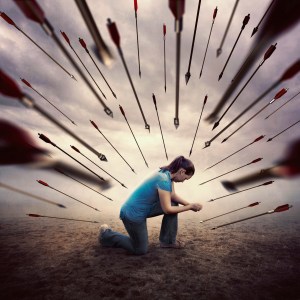
For I heard a cry like one in labor, the anguish of one giving birth to her first child—the cry of the Daughter of Zion gasping for breath, stretching out her hands saying, “Oy, now to me! For my soul faints before murderers.” (Jeremiah 4:31, TLV)

I was in Israel when war broke out on Simchat Torah. Our tour group was scheduled to fly home that night. Some of us were able to get out because we had booked flights with United and El Al, who continued to fly passengers despite the very real and present danger of rockets striking near the airport. Others were stranded in Tel Aviv because their airlines chose to abandon their paying customers and only fly their crews, family members, and their friends out of the war zone.

After returning home, I suffered survivor’s guilt because I had experienced the fear caused by running to shelter at the airport, and some of our tourists would have a week of living through constant threat in Tel Aviv until new flights could be secured. I anxiously stayed in contact with them and tried to help when I could. Our Jewish brothers and sisters, many who live with the reality of such threats on a daily basis, not just in this time of war, have my utmost respect. Chazak! (Be Strong!) We have no idea what our elder brother endures, and how they, as the “first tribe to go forth,” make our way so much easier. May Adonai continue to protect and strengthen them as they guard and defend their families and the Holy Land of Israel!

Thankfully, our entire tour group has now made it home. While that brings me relief, my heart continues to ache for Israel and the Jewish people who have suffered such great losses. I have been and will continue to pray for them, especially during the eighth month, the month for Messiah. Hoshiana, save, please, Adonai! I dedicate this series to them.

Before Simchat Torah and the outbreak of war, we were blessed with an awesome Sukkot experience in Israel. Thus, if you remember anything about this post, I pray it is this: “Tovah haeretz meod meod” – the Land is VERY VERY GOOD (Num. 14:7). And though it contains “giants with fortified cities” and “Amalek lives in the Negev,” and they are scary, “Do not fear the people of the land, for they will be our prey. Their protection has been removed from them, and the LORD is with us; do not fear them.” (Num. 14:9)

Unlike past visits to the Land during Sukkot, this one offered something unique, and I don’t mean the war. Nearly every day we had partly cloudy skies. This “cloud cover” protected us from heat and reminded us of the wilderness pillar of cloud and fire. When we were in the Galilee and the Golan Heights, rain could be seen in the distance on the mountain tops such as on Mt. Hermon. Since Sukkot commemorates the supernatural Clouds of Glory, it wasn’t lost on us that Abba covered us in a “cloud” as we moved throughout the Land. This was even more apparent in hindsight with the aftermath of Simchat Torah, as He faithfully watched over the many who were left in a warzone after the feast.
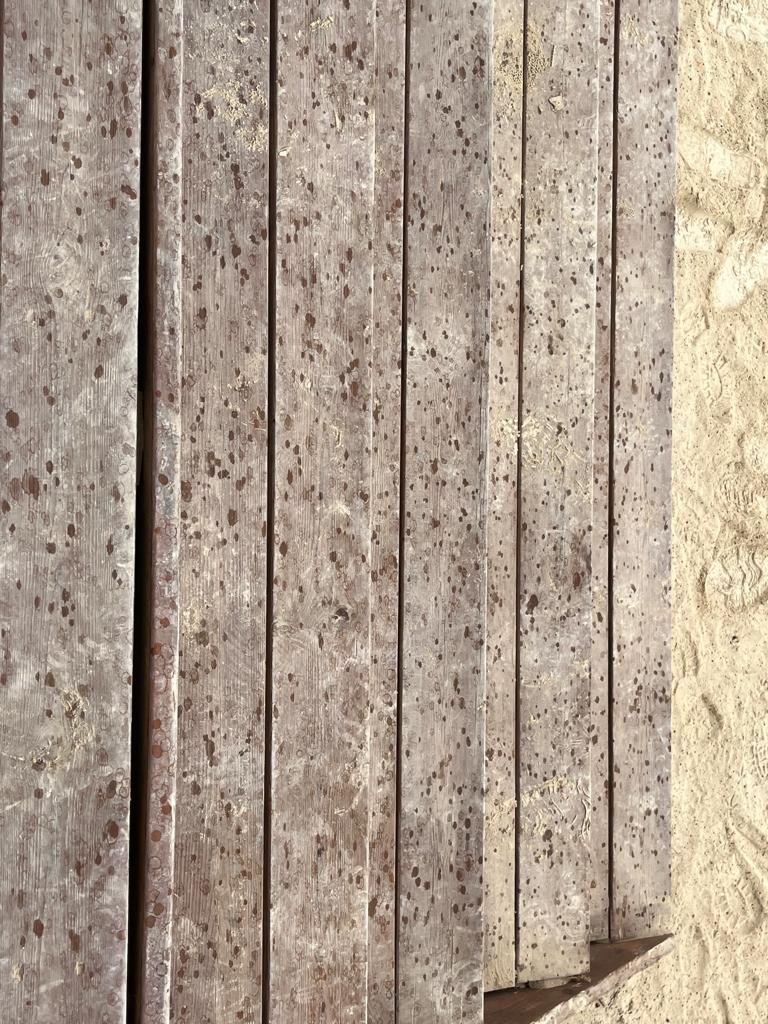
Rains Drops on the Stairs of Bet Hoglah

The month of Cheshvan is called Bul in 1 Kings 6:38, which means a flow (like rain) or an increase (as in well-watered crops). While we were touring, there were a couple of times that the clouds released a few drops of rain (the early rains begin to fall after Sukkot in the eighth month). Reflecting on these instances after my return, I have found them to be even more profound than I first realized. Both locations were in the West Bank (Samaria and Judea) where faithful Jews are tenaciously defending portions of their inheritance.

The first place we experienced drops was in the plains of Jericho at Beit Hoglah[1] where an old Jewess named Erna Covos stanchly holds the ground near the place where Israel first crossed over the Jordan to enter the Holy Land under the leadership of Joshua. Mount Nebo, where Moses spoke his last words, gazed at the Holy Land, and died, sits on the east bank of the Jordan, right across from where we stood in Beit Hoglah.

Beit Hoglah is associated with Jericho and Gilgal. This is part of the territory allotted to Benjamin, the son Rachel died giving birth to. It is between Judah and Joseph’s allotment and includes Jericho and Jerusalem (Jos. 18:11-28). Beit Hoglah means “House of the Partridge,” from a verb meaning to wobble or hop (like a bird). Gilgal means to “roll away,” as in Adonai
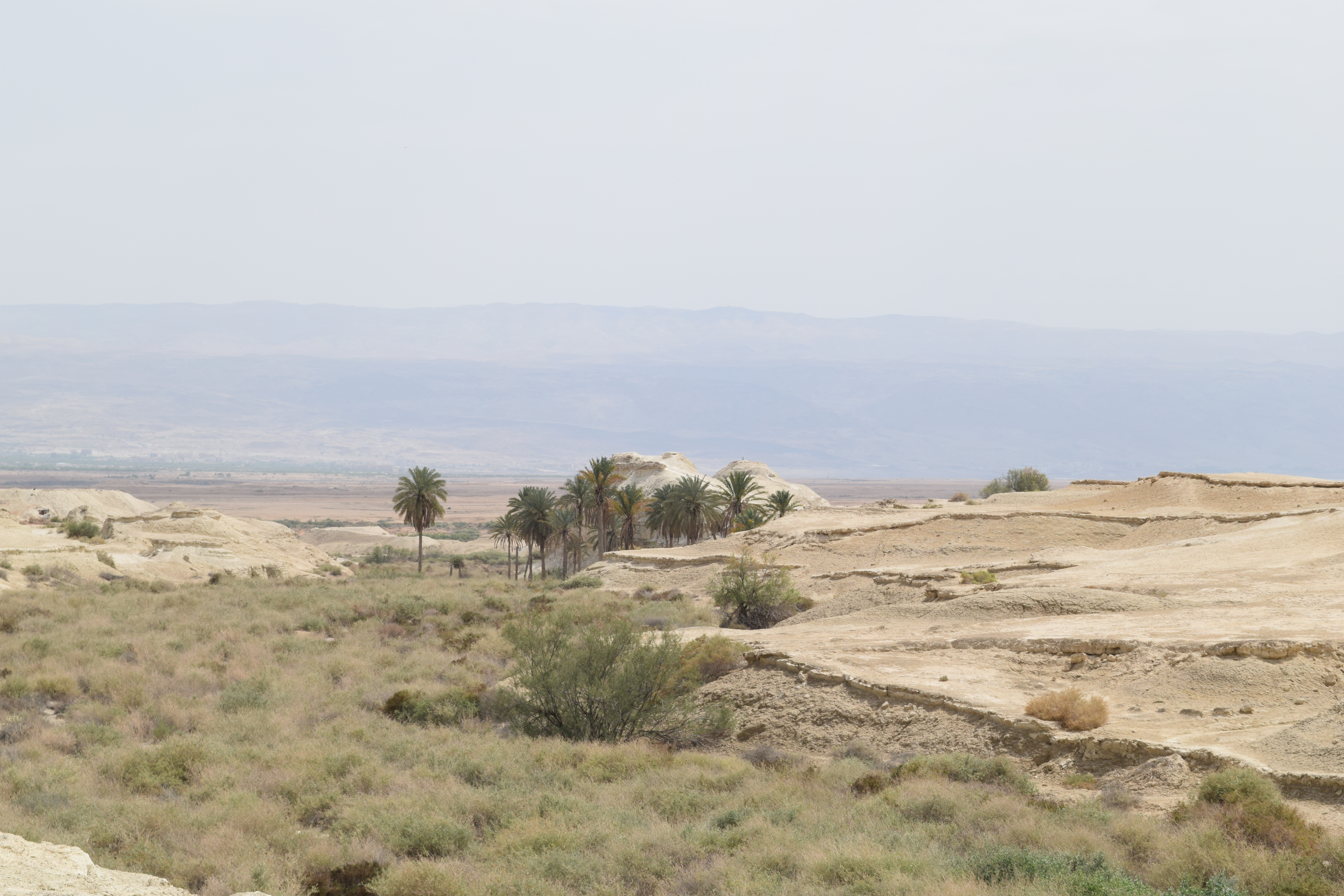
Bet Hoglah

rolled away the reproach of Egypt (Joshua 5). Jericho (Yericho) means “moon city,” from the Hebrew word yare-ach (H3394), moon. Some suggest Yericho comes from the word ruach (H7306) meaning to smell, scent, or perceive. All of these place names hint to Passover – from the moonths (months) being reset in Aviv, the “hopping” aspect of a bird in the meaning of Pesach and Hoglah, and the rolling away of reproach through circumcision and eating the Paschal lamb, but especially this location belonging to Benjamin, the Son of Sorrows and the Son of the Right Hand which is couched between Judah and Joseph.

Interestingly, today, the Moon City (Jericho) is governed by those who use the waning crescent moon as their symbol. A waning moon is a “dying” moon. But new moons on Adonai’s calendar are marked by the first sliver of the waxing crescent, which represents new birth and a new beginning. The dichotomy is striking. It was in this region under the leadership of Yehoshua (Joshua) that renewal and new beginnings were especially highlighted. Here are a few:

    • God parted the waters of the Jordan River for the Israelites to cross over on dry ground just as He did at the Red Sea, both were like “births.”
    • Joshua built a memorial out of twelve stones taken from the riverbed to set up at Gilgal as a reminder of this monumental occasion.
    • Israel took their first steps into the land and camped at Gilgal/plains of Jericho, the moon city. (Jos. 4:5-7; 20-24; 1 Peter 2:1-6)
    • The male Israelites were circumcised like NEWBORNS, because this generation was born in the wilderness and were not circumcised. When they received the sign of the covenant, the reproach of Egypt was “rolled away,” which is the meaning of Gilgal.
    • Israel celebrated their first PASSOVER in the Land to commemorate their liberation from slavery in Egypt.
    • They ate the produce of the land of Canaan for the first time, and immediately the supply of heavenly manna stopped. The Land of Promise would now sustain them (Joshua 5).
    • Right after having the covenant meal of Passover, Adonai had them conquer the Moon City, Jericho. Erna pointed out that the fall of Jericho was a picture of Israel marrying the Land of Promise.[2] Israel marched around the walls of Jericho one time for six days in a row while the people remained silent. On the seventh day, they circled the city seven times. On the seventh circuit, they blasted trumpets along with the shouts of the people and the walls of Jericho fell down (Joshua 6). Jewish brides circle their husbands seven times in wedding ceremonies to this day to represent tearing down any walls that would prevent her from becoming echad (one) with her groom. After the wedding, there are seven blessings proclaimed over them. After conquering Jericho and failing to keep the covenant, Joshua renewed the covenant with blessings and curses at Mount Gerizim and Mount Ebal (Joshua 7-8). From this point, they began to conquer the Land in earnest and take their inheritance.
    • Rahab, a Gentile, was spared for saving the spies and joined the commonwealth of Israel when they conquered Jericho. She has the honor of being in the lineage of Messiah, and a place in the hall of faith (Mt. 1:5, Heb. 11:31, Jam. 2:25).
    • Later in this same area, Elijah passed on a double portion to Elisha before ascending to heaven in a fiery chariot (2 Kings 2).
    • Erna also pointed out that the school of the prophets[3] often met in caves footsteps away from where we stood on her modern farm.

Jericho, Gilgal, and Beit Hoglah are the gateway and key to the Holy Land. This is the place of crossing over. It is where the birthing waters parted and the children walked through the Jordan River on dry ground (Day 3), again. This is where the Tabernacle rested for fourteen (7+7) years, the number of Messiah. It is the place where Samuel placed the first king over Israel, Saul, who ruled over a united Israel. This is the place of FIRSTS. First steps, first Passover, first king, first Canaanite convert to join Israel (Rahab). It is about firsts, but it is also about sevens and completion as outlined in Jericho’s fall. After the wilderness experience, everything began for Israel in the region of Benjamin (Jos. 18:11-28), the second son of Rachel, the only one born in the Land of Promise, the tribe for the upcoming month of Kislev. It cost Rachel her life to birth Benjamin, but it is her voice that continues to cry and weep for her wayward children.

Erna calls Gilgal and Beit Hoglah “The beginning of our possession of the Land of Israel, and it is the beginning of its redemption.” The more I ponder her words along with The Word, the more I agree. Erna is holding the gate open for the children of return, while guarding it from the enemy. As rain drops began to fall on our group as we were getting ready to depart, the prophetic significance of people from the nations celebrating Sukkot was not lost on Erna. She called us the “first drops” (of those returning from the nations), the drawing near of the final redemption.

The second place we felt drops of rain was at Arugot Farm with Rabbi Jeremy Gimpel and Rabbi
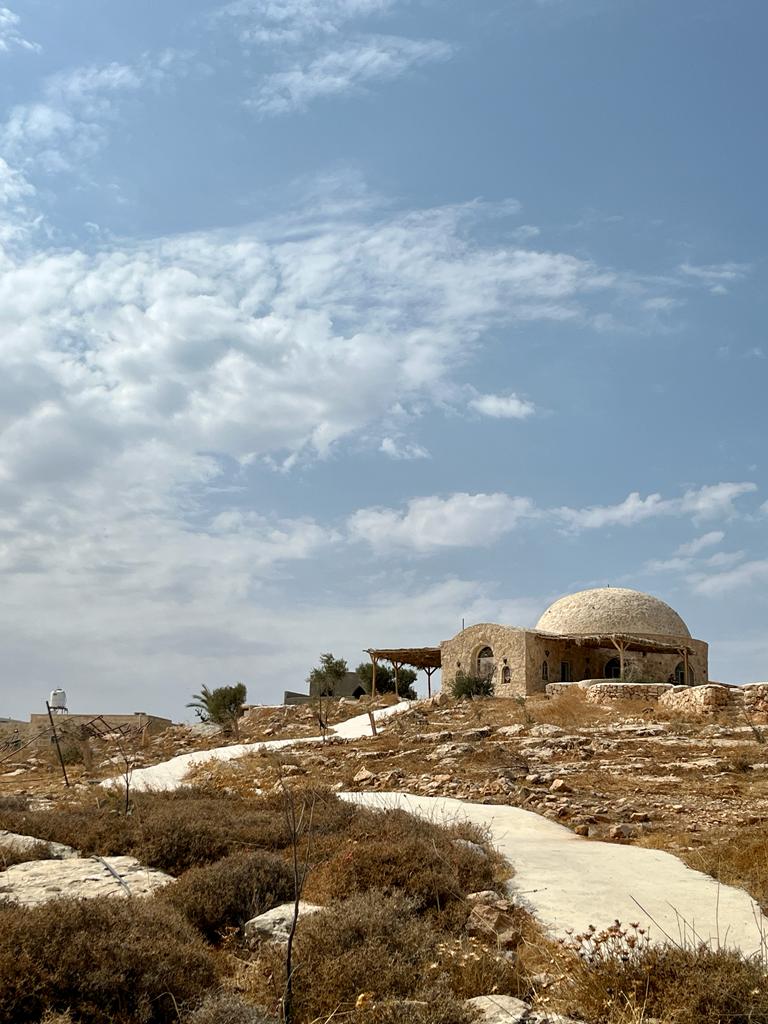
House of Prayer for All Nations at Arugot Farm

Ari Abramowitz. Arugot Farm is located in the southern hills of Judea, where King David shepherded his sheep and wrote many of the Psalms. It is dotted with caves that he would have escaped to as he fled from King Saul. From their mountaintop, you can see Jerusalem’s skyline in the north, along with nearby Bethlehem and Hebron. The Dead Sea is to the west, and the Negev to the south. It is such a strategic place. Jeremy and Ari risked everything to move to this southernmost Jewish settlement in the Judean Hills (that the world calls the West Bank), and like Erna, they have a heart set on being a light to the nations. They have built a beautiful house of prayer that they call a “House of Prayer for All Nations.”

After we left, they opened their doors wide to families fleeing Sderot and other places under heavy attack. For a few years, they have been hosting weekly Torah studies for the nations on Sundays. Their work and service on multiple fronts is to be commended and supported as they also are gatekeepers of the Land of Promise who seek the complete redemption and the return of all exiles. They have been sending daily updates about the war to their fellowship members and Youtube subscribers. To learn more about their work and journey click here and here.
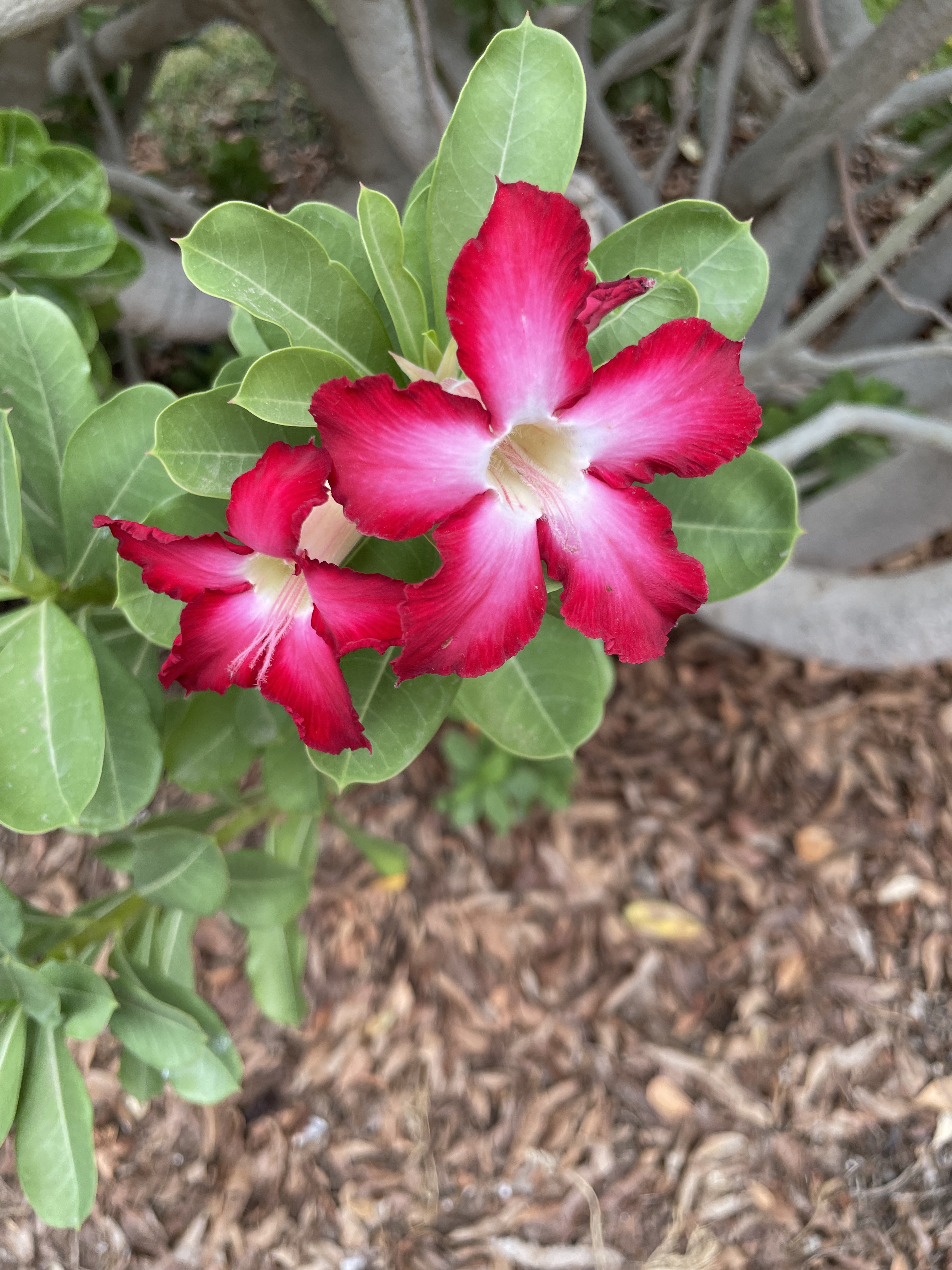
Erna, Jeremy, and Ari have something else in common. They not only tend to the hearts of people, but they tend the Land – literally making dry and desolate places bloom with life. Their natural work reflects their spiritual work. I find it most amazing that Adonai allowed us to experience “drops” in only these two places which represent Joseph and Judah, Rachel and Leah, the two Houses of Israel. It reminded me of the verses below. “Stick” in this passage is the Hebrew word “etz,” which also means tree. Compare it with Romans 11.

Ezekiel 37:19-28 (NASB)
19 say to them, ‘Thus says the Lord GOD, “Behold, I will take the stick of Joseph, which is in the hand of Ephraim, and the tribes of Israel, his companions; and I will put them with it, with the stick of Judah, and make them one stick, and they will be one in My hand.”‘
20 “The sticks on which you write will be in your hand before their eyes.
21 “Say to them, ‘Thus says the Lord GOD, “Behold, I will take the sons of Israel from among the nations where they have gone, and I will gather them from every side and bring them into their own land;
22 and I will make them one nation in the land, on the mountains of Israel; and one king will be king for all of them; and they will no longer be two nations and no longer be divided into two kingdoms.
23 “They will no longer defile themselves with their idols, or with their detestable things, or with any of their transgressions; but I will deliver them from all their dwelling places in which they have sinned, and will cleanse them. And they will be My people, and I will be their God.
24 “My servant David will be king over them, and they will all have one shepherd; and they will walk in My ordinances and keep My statutes and observe them.
25 “They will live on the land that I gave to Jacob My servant, in which your fathers lived; and they will live on it, they, and their sons and their sons’ sons, forever; and David My servant will be their prince forever.
26 “I will make a covenant of peace with them; it will be an everlasting covenant with them. And I will place them and multiply them, and will set My sanctuary in their midst forever.
27 “My dwelling place also will be with them; and I will be their God, and they will be My people.
28 “And the nations will know that I am the LORD who sanctifies Israel, when My sanctuary is in their midst forever.”‘”

First Drops

The rains that come in the early part of the year, from around October to December, are called the early rains, or in Hebrew, yoreh (H3138). This word comes from the same root as Torah, yarah (H3384), meaning to shoot, cast, or pour (as in an arrow or the flow of rain). Just as the Land drinks rain from heaven to produce crops necessary for life, we need to hear (internalize/obey) the heavenly mitzvot to produce spiritual fruit, which is spiritual rain.

“But the land you are crossing over to possess is a land of hills and valleys, drinking from the rain of the heavens it drinks in water. It is a land that Adonai your God cares for—the eyes of Adonai your God are always on it, from the beginning of the year up to the end of the year. Now if you listen obediently to My mitzvot that I am commanding you today—to love Adonai your God and to serve Him with all your heart and soul— then I will give rain for your land in its season—the early rain and the late rain—so that you may gather in your grain, new wine and olive oil.” (Deuteronomy 11:11-14, TLV)\

Adonai is always concerned about the Land, the People, and the Covenant. All three are intertwined. Though some systems of theology spiritualize away the significance of the Land of Israel, Adonai’s people – all of them – are deeply connected to it. Man, Adam, comes from the adamah, the ground. Sin causes defilement not just to people, but to the land. When Adonai’s people were disobedient, they were uprooted like a plant from the soil of Israel, just as Adam and Eve were exiled from the Garden of Eden. Obeying Adonai’s Word, which is likened to a Seed meant to take root in people, produces fruit. Eating foreign seed, words not of Adonai brings forth thistles and thorns, which must be weeded away (exile). This is why the people are “married” to the Land. They are one.[4] The wife of the Lamb is the New Jerusalem, which is a place and a people. And the Land IS a covenant promise, not just in the “old,” but the new (Is. 61, Jer. 31-33; 50:4-5, Ezek. 11:14-25; chapters 36-37, Psalm 105-106; 111).

In the cycle of months, Rachel’s children are the tribes for the months of Tishrei (Ephraim- 7), Cheshvan (Menashe -8), and Kislev (Benjamin- 9). It is her children that lead us through the fall feasts, the early rains, and the dark winter months. This shouldn’t be surprising since both Sukkot and Joseph figure not only Israel, but the nations with them. Joseph didn’t just save Israel, he saved Egypt and many other nations from famine. Famine, spiritually speaking, is a lack of the life giving Word/Seed of Adonai (Amos 8:11), and one of the four altar judgments for disobedience is famine (Ezek. 14:21, Rev. 6:8).

On the other hand, Judah leads in the first month of Nisan/Aviv. The first month comes after the dark winter and the latter rains. Judah leads the charge just as they did when Israel moved camp and went out to war. To the Jew first, then the Greek/Gentiles (Rom. 1:16; 2:9-10). In the moedim cycle, the spring feasts focus more on individuals and families, and the fall moedim figure a much larger harvest of not just the nation of Israel, but all nations. Judah leads in the first month, and Joseph (via Ephraim) leads in the seventh. There is a mirror in these months and in the spring and fall feasts.
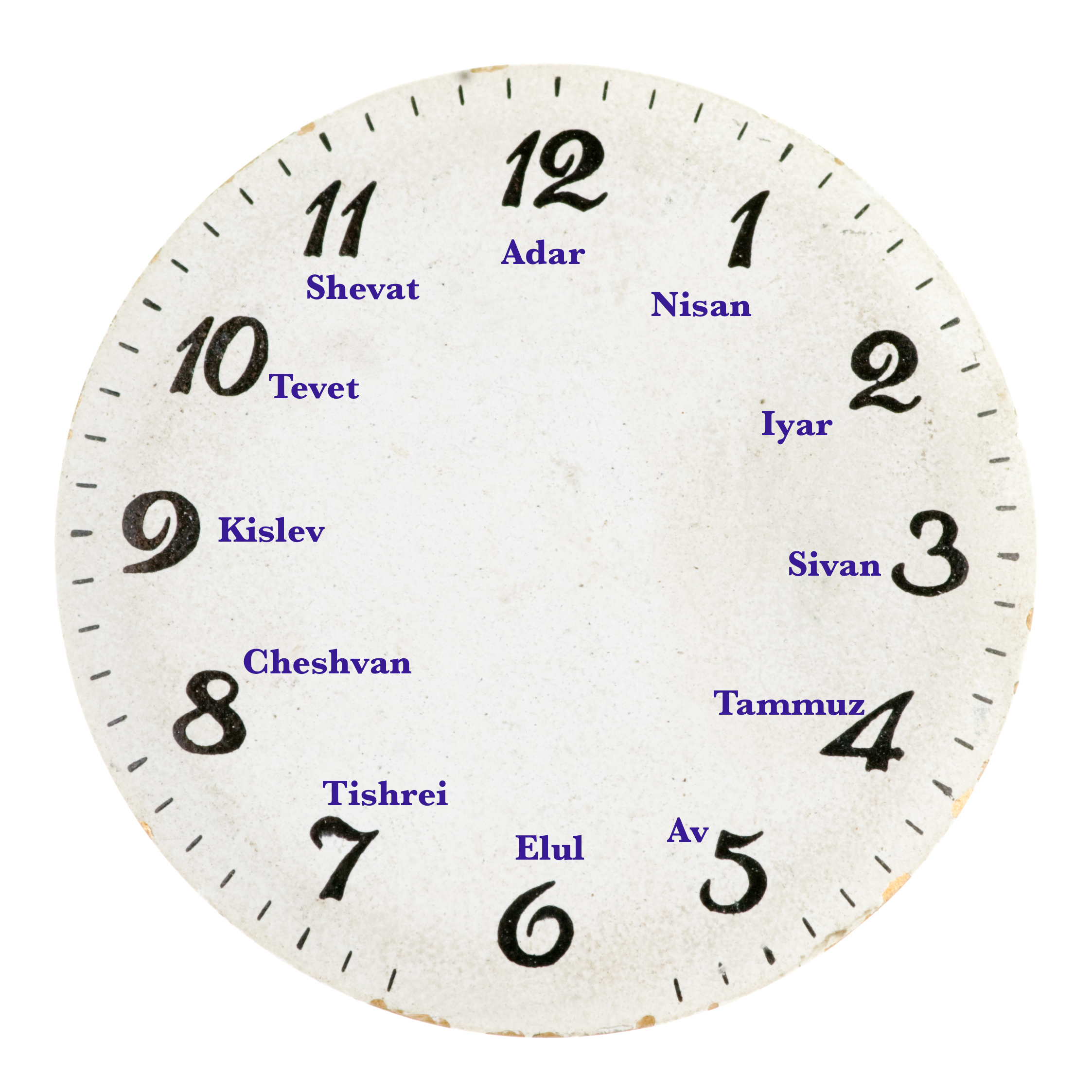
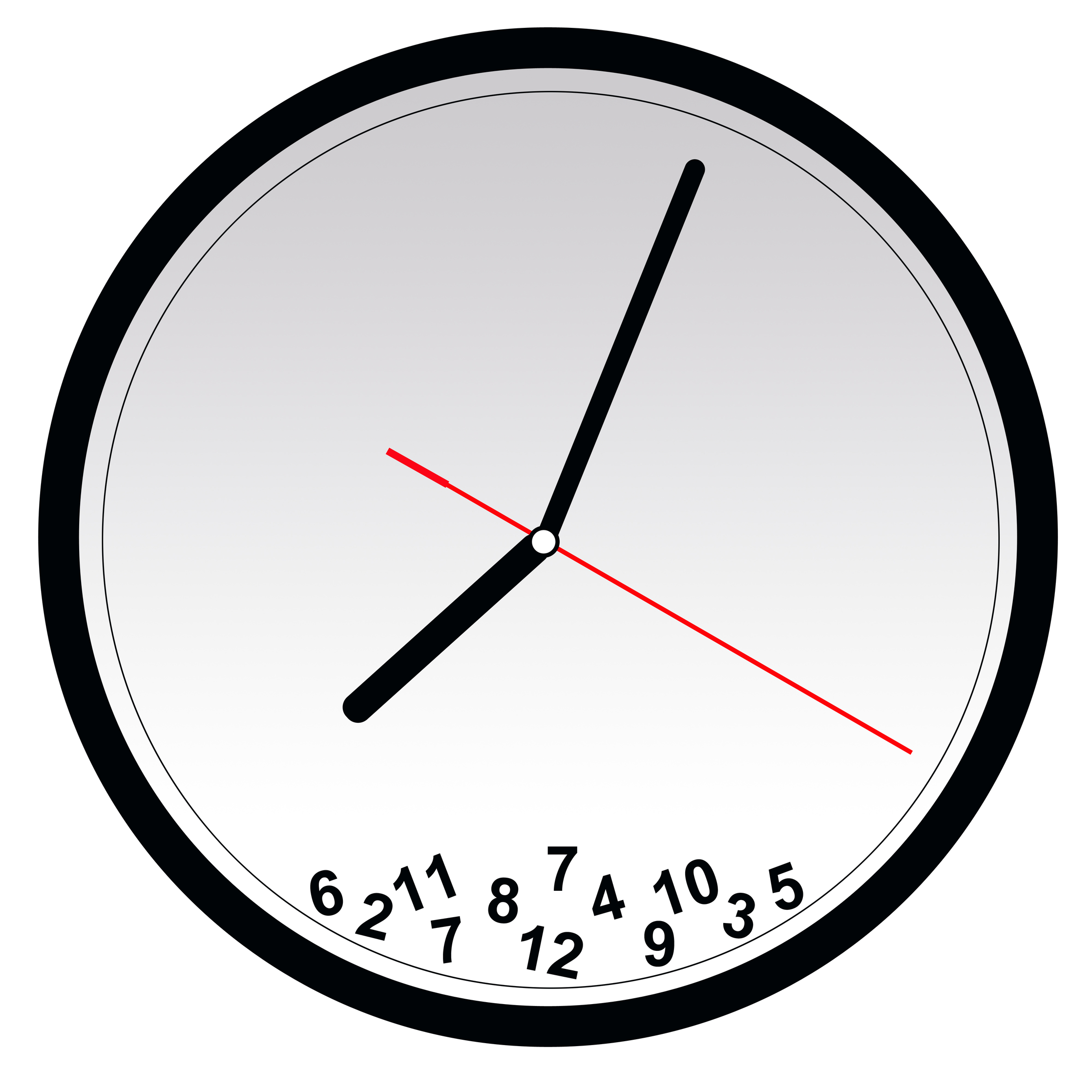
By putting the months on a clock face, it is easier to see the opposite or “mirror” month for each one. Tishrei and Nisan face one another, as does Adar and Elul, both prepare one for the months of the moedim.

If we flip them around, Judah becomes seventh, and Joseph is first. That is the chiastic structure of the months. These two tribes were given the birth right and the scepter of rule/kingship (1 Chron. 5:1-2), and Messiah can be prophetically seen in both. Thus, there are two primary heads in the year (Nisan and Tishrei), and there are two primary heads of the tribes. The tribal order for the months is not in the actual birth order of the sons of Israel, but in the order in which the tribes of Israel camped around the Tabernacle, went out to war, and gave their offerings at the dedication of the Tabernacle. This order isn’t arbitrary, it is spiritual.

In Ephraim’s month, Tishrei – the seventh,  the full harvest of fruit with seeds are brought to Jerusalem. These will be sown in the rainy winter months, then sprout and mature, beginning in Nisan/Aviv, the first month. Whether the enemy realizes it or not, I believe, after having time to pray, think, and process the events I experienced both prior to the attack and afterwards, that the Eighth Day, Simchat Torah, was chosen because their desire is to corrupt and crush the Seed of the Woman and her work.

Seeds need good soil and water to germinate. The enemy wants to destroy the soil of Israel and her people, making them desolate. This year, instead of thinking about the physical rain drops that come to water the delicate seeds at this season, I’m forced to think about the water source for the seeds being tears, the salty droplets from so many sorrowful eyes. But as I did so, I was reminded of Psalm 126 that I quoted in Part I.

“Surely he who walks and weeps, bearing a trail of seed, shall come again with joyful shouting, bearing his sheaves.” (Psalms 126:6, LITV)

© Yafit Moshensky | Dreamstime.com

These are “dreamers,” like Joseph, the returning exiles. I’ve cried seeing photos of Jews from all over the world flying to their homeland to defend her in her time of need. They are dreamers too. Dreamers are deeply connected to Rachel and her children, explored in Part III.

Their tears and our tears water the seeds Torah, and when they do, they bear the sheaves of Israel! During Sukkot this year, there were multitudes from the nations who showed their love and support while celebrating the feast. I marched with many of them in the ICEJ’s Parade of the Nations in Jerusalem and witnessed flags from at least 70 nations. I worshiped with Solu and Shilo Ben Hod in Jerusalem that very night where each continent was lifted up and prayed for in various languages, along with the nation of Israel.

So despite the war and the atrocious rise of antisemitism in the US and around the world, I must remember that the hearts and motivations of those who hate Israel are no longer being hidden. With precision force, and even through tears, a separation is being made. On Tishrei 1, the year changed to 5784, the second year in the current shemittah cycle. Year two mirrors the chaos of Day 2 of creation.[5] The upper and lower waters are being separated to make room for dry land that will produce fruit with like kind seed, not thorns and thistles. When the third year arrives and the waters are gathered to one place and dry land appears, will we bear fruit with the seed of the Land, the People, and the Covenant? Will we say with Joshua and Caleb (tribes of Joseph and Judah), “Tovah haeretz meod meod” – the Land is VERY VERY GOOD? (Num. 14:7), or will we be found in agreement with the wicked spies/witnesses who say, “It is a land that devours its residents? (Num. 13:32)

Never Again! STAND WITH ISRAEL!


[1] Beit Hoglah is mentioned in the Book of Joshua as being near the northern tip of the Dead Sea, on the border between Judah and Benjamin’s allotment; it was also known as a town in Benjamin (Joshua 15:6; 18:19, 21).

[2] In Hebrew, the word for land, eretz, is feminine. “No longer will you be termed ‘Forsaken,’ no longer your land termed ‘Desolate.’ Instead you will be called, ‘My Delight is in Her’ and your land, ‘Married.’ For Adonai delights in you, and your land will be married.” (Isaiah 62:4, TLV) The word for city, ir, is also feminine. Thus, when personified, the Land and the Holy City of Jerusalem take on feminine attributes, and when spoken of poetically, they are a Bride Who is Married (Rev. 21:9-10). Both the Land and the Holy City are filled with people, Who are also the Wife or Bride of Adonai.

[3] Easton’s Bible Dictionary: Schools of the Prophets (1 Samuel 19:18-24 ; 2 Kings 1 Samuel 2:3 1 Samuel 2:5 1 Samuel 2:7 1 Samuel 2:12 1 Samuel 2:15 ) were instituted for the purpose of training young men for the prophetical and priestly offices.

[4] See footnote 2

[5] To learn more about the Shemittah cycle, see Barry Miller’s book, KNOW THE TIME CHANGE YOUR WORLD: THE REAPPEARANCE OF THE SEVEN-AND FIFTY-YEAR BIBLICAL CYCLES.


Categories: new moon, Women | Tags: , , , , , , , , , , , , , , | Leave a comment

No Need for the Sun and Moon

Rosh Chodesh Kislev 5782 (2021)

There is something about Kislev.

© Spiroview Inc. | Dreamstime.com

It’s the ninth month, the month of dreams, and the month of dedication (Chanukah). But, if one counts the months from the civil year beginning with Tishrei, then Kislev is the third month. In other words, Kislev has attributes that are associated with the number three such as trees, gathering, new life, and resurrection. Darkness, figurative death, and chaos come before any renewal. The themes and historical events that occurred during Kislev such as light overcoming darkness, defeating the enemy against insurmountable odds, and renewing and rededicating the House of Adonai all echo the resurrection power expressed in the number three.

It is in that sense of newness and renewal, which manifests in gathering and unity, that I aim to focus on this year. The twelve months mirror the twelve tribes of Israel. The moonths are like us, reflectors of light. But also like us, they can reflect something they were never meant to mirror: a lower, earthy, or even demonic realm. It’s not a coincidence that the enemy has perverted things associated with the luminaries and time, such as months, to the point that Believers are often leery of their purposes.

In The Creation Gospel Workbook One, Dr. Alewine says, “Pagan worship deifies the sun and moon, for even in ignorance, pagans can identify signs of spiritual authority. The problem is in turning the sign into the actual authority.” (p. 69)

© Alain Lacroix | Dreamstime.com

As a Creation Gospel trainer, I’ve read that passage many times. This year, it struck me differently. I could not help but wonder if Believers have made the same mistake. We are notorious for having “calendar” controversies, varying dates for first fruit festivals, and arguments of when new months should begin. The lack of unity (oneness) in the Body gets rather frustrating, and is especially confusing for those just coming to the Torah. Are these indicators of losing one’s sense of time, rather than gaining it? For the most part, individuals and groups do what is right in their own eyes when it comes to “times and seasons.” Some are contentious in this area, and others emphasize respecting other’s opinions.

But, are our endless debates about the timing of the appointed times and months a symptom of “turning the sign into the actual authority?” There is test for Believers on Day Four. It is based in the action words of that day. For example, light separates, gives, and governs. Action is akin to one’s deeds or fruit. If natural light separates from darkness, gives light to the earth, and governs the days, months, years, and moedim, then so will those that follow the Creator of the luminaries. But there will be a constant need for discernment, because the heart of man is deceptive.

Jeremiah 17:9-10 (NASB) The heart is more deceitful than all else and is desperately sick; who can understand it? 10 I, the LORD, search the heart, I test the mind, even to give to each man according to his ways, according to the results of his deeds.

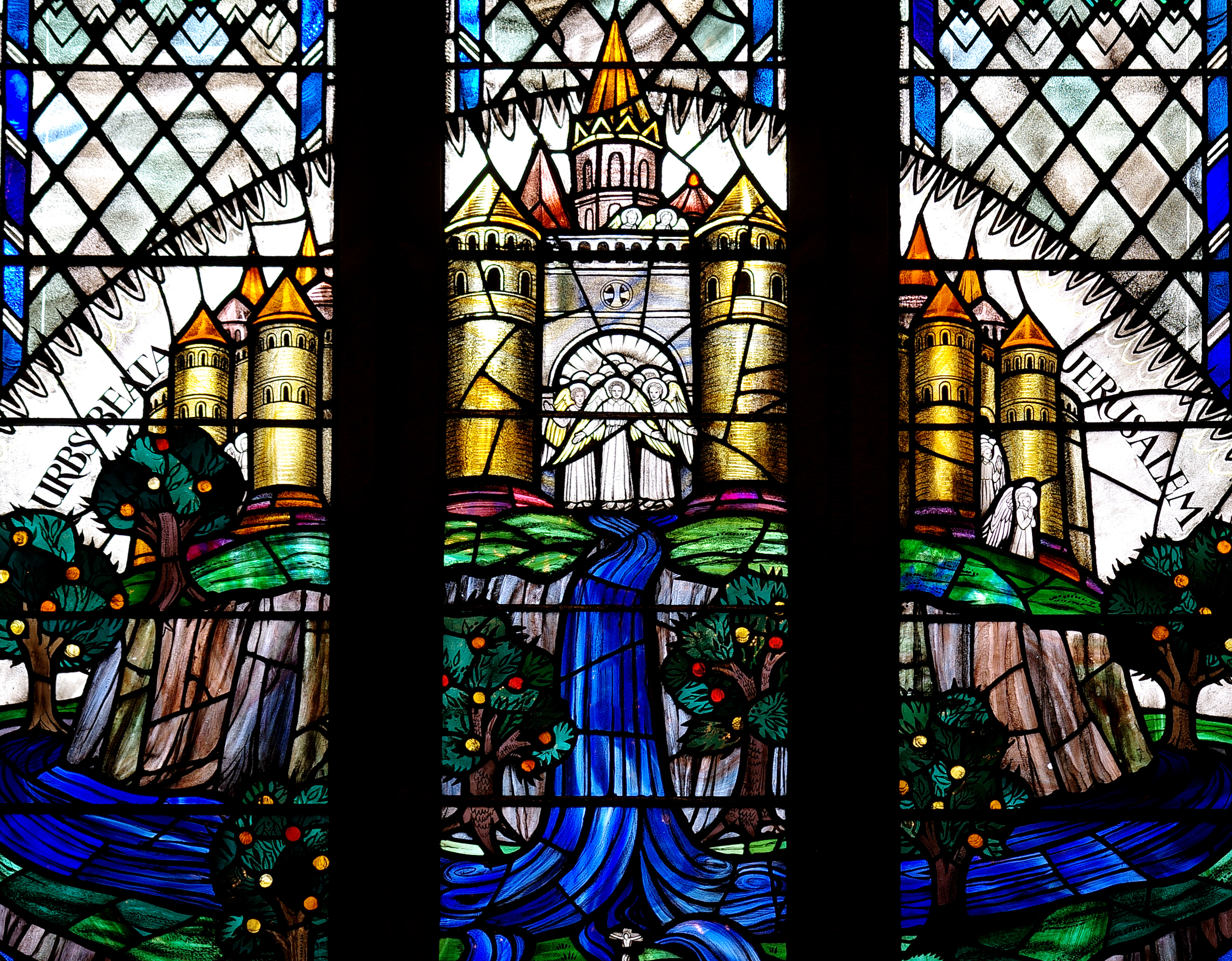
The discernment key is fruit. Because we are natural, earthy beings, we must look at physical fruit, deeds, and results to truly know or discern from which “tree” an idea, doctrine, teaching, or theory originates. In the New Jerusalem, the moedim and new moons will NOT be determined by the physical lights of day four. Instead, the “trees” will know when and how to produce fruit with only the Light of the Lamb.

Revelation 21:23 (NASB) And the city has no need of the sun or of the moon to shine on it, for the glory of God has illumined it, and its lamp is the Lamb.

© Jozef Sedmak | Dreamstime.com

John continues into chapter twenty-two describing the glorious City, the wife of the Lamb:

Revelation 22:1-2 (NASB) Then he showed me a river of the water of life, clear as crystal, coming from the throne of God and of the Lamb, 2 in the middle of its street. On either side of the river was the tree of life, bearing twelve kinds of fruit, yielding its fruit every month; and the leaves of the tree were for the healing of the nations.

Revelation 22:5 (NKJV) There shall be no night there: they need no lamp nor light of the sun, for the Lord God gives them light. And they shall reign forever and ever.

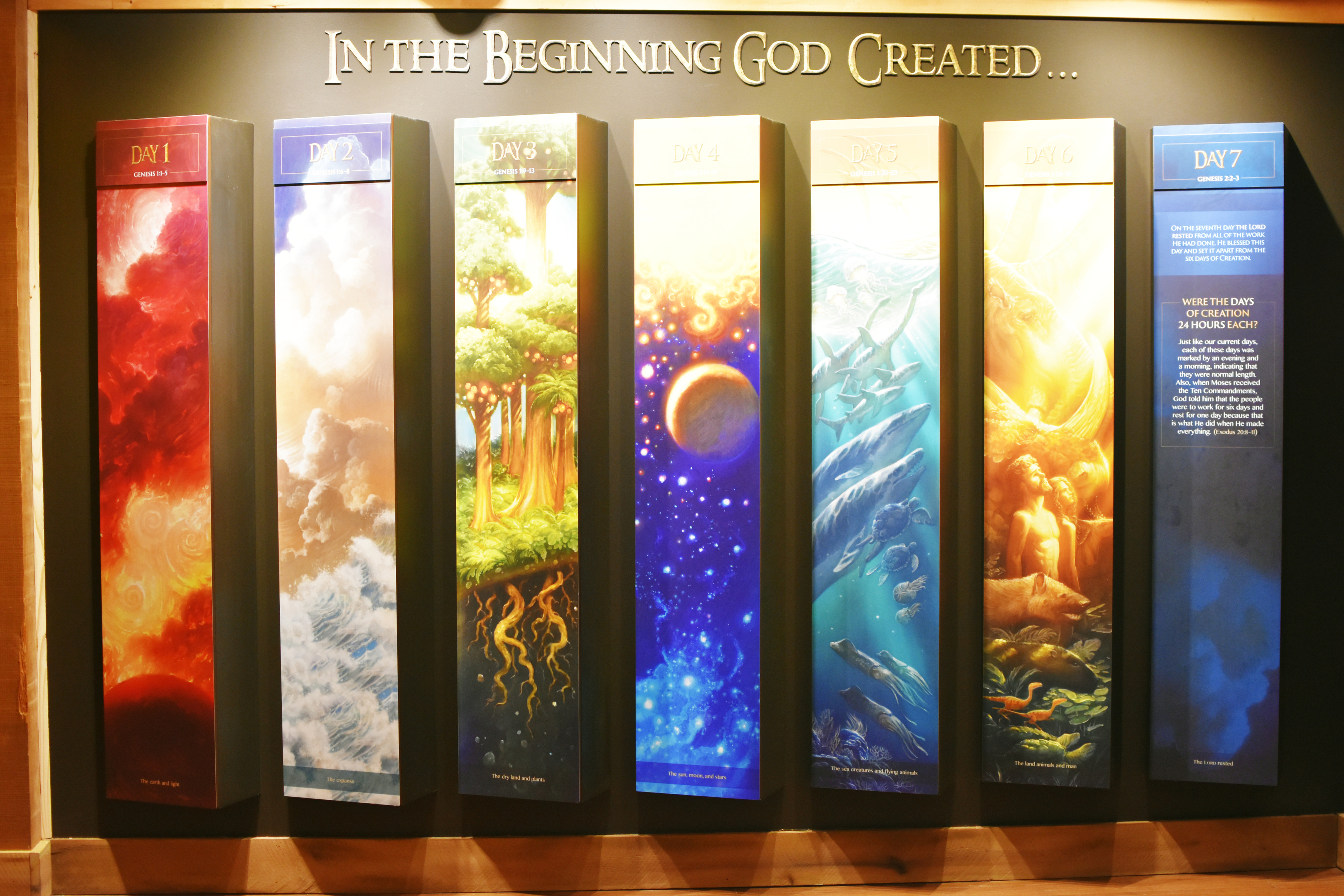
Revelation 21:23 says that the city is illuminated by the glory of the Lord, and it’s lamp (vessel that gives light) is the Lamb. This is a return to One Day, when the first spoken words of God in the Bible are, “Light be” or “Let there be light.” The light of One Day (day one) was not the physical lights placed in the rakiah or expanse; rather, it is the same light mentioned at the end with New Jerusalem. It is Spiritual.

Kislev is the last of the three autumn months on the Jewish calendar. It signals colder days, less daylight, and the coming winter. This makes it an opportune time to meditate on death that leads to new life, a type of darkness, and then Light. Winter, then spring. Seed, then sprouts and fruit. And, eventually, a time when those cycles will cease, and will become all light, and ever-bearing fruit.

Ezekiel 47:12 (NASB) By the river on its bank, on one side and on the other, will grow all kinds of trees for food. Their leaves will not wither and their fruit will not fail. They will bear every month because their water flows from the sanctuary, and their fruit will be for food and their leaves for healing (medicine).

© Waamel | Dreamstime.com

What or who are these trees?

In Hebrew, the fruit that the trees bear is a “first fruit,” just as Messiah, and you and I, are a type of firstfruits of the Kingdom. Rosh Chodesh is the feast of the born again, or of those born from above, the first fruits of the earth. The renewal of the moonths testify of this heavenly reality. The “head” of the month is a picture of the whole, just as Messiah is the head, and we are His Body.

There is a reason that God chose to use the particular time frame of “months” to describe when the tree of life bears fruit in Jerusalem above.[1]

The trees are plural in Ezekiel. They refer not only to Messiah, but to His Body, who are grafted into Him and one another. His people partake of and abide in Him and the Word, and become echad, a perfect unity, like the menorah tree. Trees are common idioms for people in Scripture, and both are designed to produce fruit.

Psalms 1:1-3 (NASB) How blessed is the man who does not walk in the counsel of the wicked, nor stand in the path of sinners, nor sit in the seat of scoffers! 2 But his delight is in the law of the LORD, and in His law he meditates day and night. 3 He will be like a tree firmly planted by streams of water, which yields its fruit in its season and its leaf does not wither; and in whatever he does, he prospers.

Proverbs 11:30 (NASB) The fruit of the righteous is a tree of life, and he who is wise wins souls.

Living in the realm of Jerusalem above, with only the Light of the Lamb, one knows the months and the moedim without the sun and moon. The result is abundant fruit, and the ability to bear that fruit every month in the Spirit of Adonai. If that’s true above, can it be true below, here in the earthly realm? If yes, what will it require from us?

© K. Gallagher

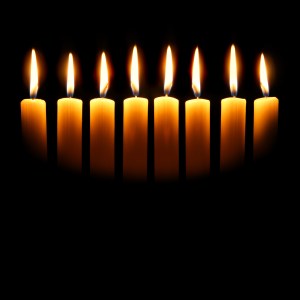
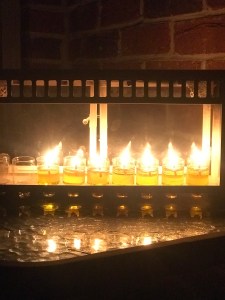
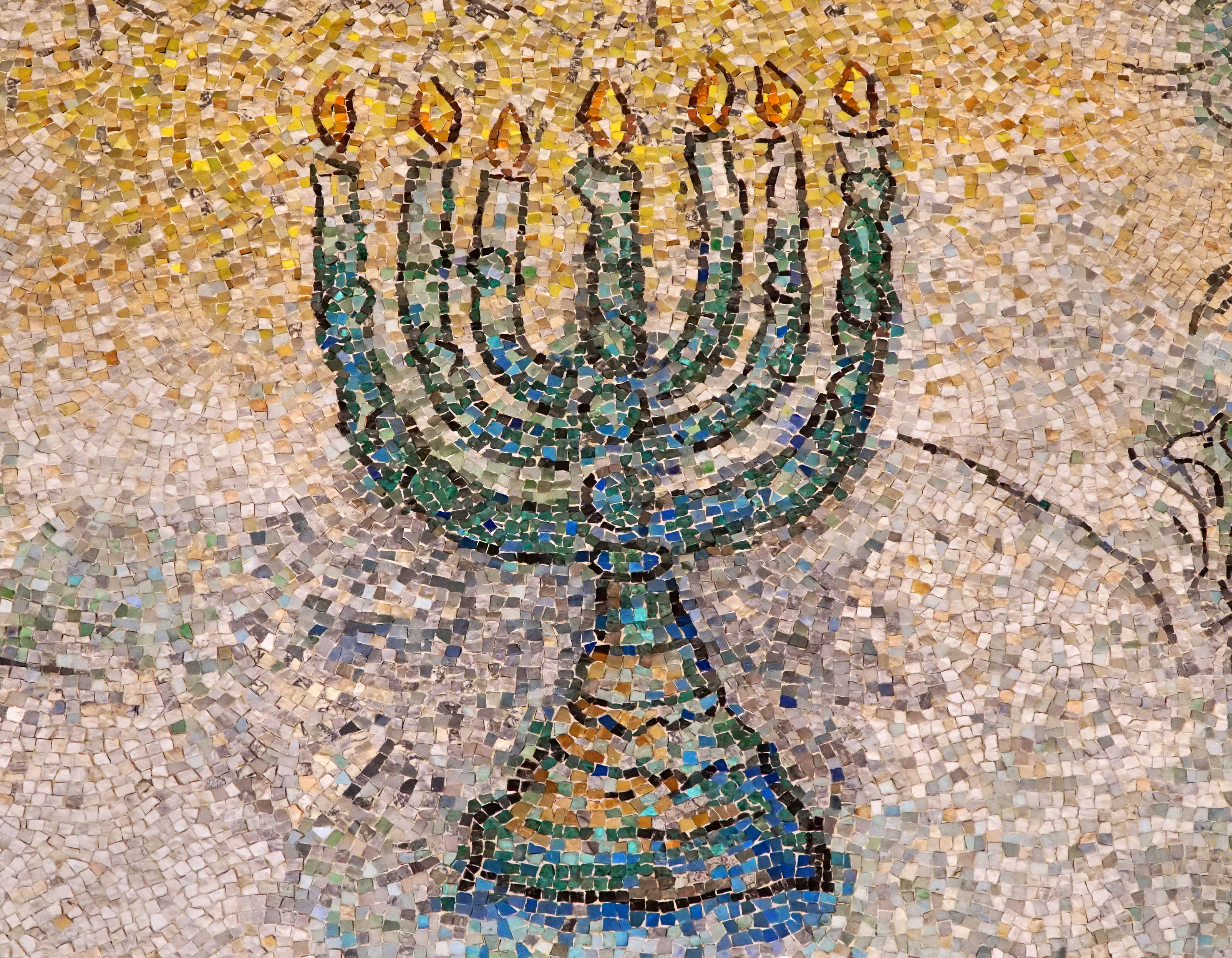
During Kislev, Chanukah is celebrated with a menorah, a lamp, or a vessel that gives light.[2] In the Torah, the menorah was fashioned after the almond tree.[3] A menorah is a tree with LIGHTS. It represents Resurrection, Woman Wisdom, the Spirit of God, and the Tree of Life. Yeshua chose the menorah to represent His assemblies (churches) in the Book of Revelation, because He is figured as the One in the midst of this “tree” or lamp. He is the root and stem of Jesse, full of the seven fiery spirits of God.[4] We are One with Him, and should produce His light and fruit. The light of the menorah was to be an ever-burning flame. Spiritual light burns continually, but does not consume. This hidden light separates in order to gather in unity.

Exodus 27:20 (NASB) You shall charge the sons of Israel, that they bring you clear oil of beaten olives for the light, to make a lamp burn continually.

Believers all look to the same physical lights and earthly evidence and make judgments, to obediently meet the Creator at His appointed times. But, we don’t all come to the same conclusions. Rather than being unified in the calendar, which is the testimony of God’s authority in the earth, we are greatly divided. A lot of rotten fruit (false light) results from our endless debates.

© Fedor Kondratenko | Dreamstime.com

In the Heavenly City, of which we are a citizen, the trees manage to do something no earthly tree can: they produce twelve fruits every month. This is enough for ALL twelve tribes of united Israel. They are all in one accord when they do not depend solely upon the shadow world’s earthly luminaries.

One Day the natural luminaries will fail, decay, and be no more.[5] In fact, like us, they are fading even now. It occurred to me this Kislev, that if our eyes trust only in the natural light (something decaying), we will never be unified, because death is a separation, not a gathering. Our new life in Messiah includes gathering with one’s brothers and sisters. Anything that works to their exclusion, especially private interpretations of prophecy (the feasts are prophecy!), is not a tree of life (or light) capable of yielding twelve kinds of fruit.

2 Peter 1:18-21 (NKJV) And we heard this voice which came from heaven when we were with Him on the holy mountain. 19 And so we have the prophetic word confirmed, which you do well to heed as a light that shines in a dark place, until the day dawns and the morning star rises in your hearts; 20 knowing this first, that no prophecy of Scripture is of any private interpretation, 21 for prophecy never came by the will of man, but holy men of God spoke as they were moved by the Holy Spirit.

Being echad (one) is not possible without God and His Spiritual light. I believe that the calendar of God is intentionally ambiguous, because it is a test of authority in the hearts of mankind, especially Believers. I am not suggesting that we toss out the physical luminaries as the markers of Adonai’s set times. They are, in our natural realm, needed governors.[6] However, there remains a much greater reality, that cannot be ignored in our calculations.

© Hannah Babiak | Dreamstime.com

Kislev ends within the days of (re)dedication or Chaunkah every year. Since we are a type of Temple, it’s always a good idea to cleanse and rededicate our hearts to Adonai. Sometimes things creep in while we are unaware, distracted with the cares of life, sleeping, sick, grieving, or when we’ve been under attack. At this season, while the feast cycle is dormant during the darkness of winter, reconsider God’s prophetic calendar. It should produce a harvest, not havoc in one’s life and the lives of fellow Believers. As a tree in the Kingdom, carefully inspect the fruit you have produced, and are producing, for the feast days center around these very things. May we continue to grow in fruit and love for the brethren. May we dream of being Echad!

Questions for Reflection:

  1. Why do you think the tree of life in Jerusalem above produces twelve kinds of fruit every month?
  2. Why did Adonai choose to use a “monthly” timeframe in Ezekiel and Revelation’s depiction of the fruit of the Tree of Life?
  3. If the leaves of the tree are for the healing of the nations, what or who are the twelve fruits for? (See footnote 1.)
  4. Can one keep the moedim and new moons without relying on the signs of the physical luminaries?
  5. Did the Maccabees have the authority to celebrate a late Sukkot in the form of Chanukah? Do you think the Spirit of God was pleased or displeased with their reasoning?
  6. Did Chanukah unify or divide the House of Adonai?
  7. Why did the sages choose to use a menorah to commemorate the days of dedication? Do you think their custom is spiritually valid? Why or why not?
  8. How does the symbolism of the menorah fit into the theme of trees, light, and Chanukah? Give at least two answers.
  9. According to John 13:35, will Yeshua’s disciples be known by their perfect calendars, or by their love for one another?
  10. What is the purpose of the months and the moedim?
  11. If the moedim prophetically figure the eternal oneness of Adonai, Messiah, His Body, and how God accomplishes this in and for us, what is disunity a testimony of?

Ephesians 4:1-6 (NASB) Therefore I, the prisoner of the Lord, implore you to walk in a manner worthy of the calling with which you have been called, 2 with all humility and gentleness, with patience, showing tolerance for one another in love, 3 being diligent to preserve the unity of the Spirit in the bond of peace. 4 There is one body and one Spirit, just as also you were called in one hope of your calling; 5 one Lord, one faith, one baptism, 6 one God and Father of all who is over all and through all and in all.

12. Based on the passage above, how important is unity?


[1] To help see this, consider these questions: Who do we produce fruit for? Is it for ourselves or for others? To put it another way, who benefits when we keep commandments such as the feast days? Do we obey for ourselves or for others? If one says they do so for Adonai, why do so many mitzvot deal with how one treats their neighbor? Have we missed something vital that the Tree of Life teaches in Revelation 22:2? Who is reflected in the months? Adonai or His people?

[2] The Hanukkiah has eight branches and one shamash or servant candle, for a total of nine branches. The eight branches represent the eight days of Dedication or Chanukah, and the menorah itself figures the seven branched menorah in the Tabernacle/Temple that GIVES light. The ninth branch on the Hanukkiah is the servant light that ignites the other branches.

[3] Exodus 25

[4] Isaiah 11:1-3; Revelation 1:4; 3:1; 4:5; 5:6

[5] 2 Peter 3:10-13

[6] Genesis 1:14-19

Categories: Moedim, new moon | Tags: , , , , , , , , , | 5 Comments

Kislev: Light & Identity

© Zoom-zoom | Dreamstime.com

  • Month: Nine
  • Name: Kislev, meaning trust, security, hope[1]
  • Tribe: Benjamin
  • Tribal Banner: Wolf
  • Sense: Sleep
  • Mazel: Sagittarius/Keshet (Bow)
  • Organ: Belly/Stomach/Loins
  • Letter: Samekh (60)
  • Themes: Month of Dreams, Festival of Lights/Dedication
  • Torah Portions: Toldot – Generations, Vayetze – And He Went Out, Vayishlach – And He Sent, Vayeshev – And He Settled, and in some years Miketz – At the End

The Light Always Gives[2]

Kislev and Tevet, the 9th and 10th Hebrew months, are the darkest months of the year in the northern hemisphere. Since the natural is a picture or shadow of the spiritual realm[3], what is occurring in nature at this season is mirrored in one’s spiritual life. Less light and more darkness is sensed by both the physical and spiritual aspects of man. For example, when the days grow shorter and colder, some people experience seasonal affective disorder (SAD).[4] Light therapy is a common treatment for this type of depression.

Nature is a great teacher, and a firm witness of God’s truth. Thus, by examining creation, we can learn spiritual patterns in the cycle of seasons, days, months, and years. The luminaries of day four of creation GIVE both natural and spiritual light to the earth and earth beings. They govern the day and the night and separate the light from the darkness.[5] Mankind has a proclivity to confuse light and darkness, at least spiritually speaking.[6] The intent of this article is to remind the reader of this reality, and to help one discover how Adonai uses this season every year to refine and prepare one for the next growing season.

All the points at the beginning of this post are important themes that weave together to create the “big picture” view of Kislev. My video on Kislev in 2018 explained most of these themes. But this year, I want to concentrate on the theme of Light and the primary feedback that I have received in the “dark” months over the years.

Identity

During Kislev and Tevet, I receive more emails and messages about identity than anything else. People tend to struggle with their purpose, who they are, and what they should be doing. And, conversely, social media often teems with those that question or challenge the identity of Messiah. Regarding the former, I receive questions at this season that look something like this:

  • Who am I, really?
  • What is my purpose?
  • Is all my work for nothing?
  • Am I toiling in vain?
  • Does God even care?
  • What should I really be doing?
  • How can I function in my gifts and callings?
  • I’m tired. What is the point?

If you find yourself struggling with your purpose or with discerning Adonai’s will for your life in the dark months, know that this is normal. Rather than falling into the malaise of depression, apathy, or condemnation, allow the creation and agricultural season to shed LIGHT on God’s purpose for this introspection. The late fall and winter months in Israel are crucial to the new growing season of spring. If this is true in the natural, it is also true in the spiritual realm.

Right now, it is still the time of the early rains (yoreh) in Israel. They begin after the turn of the year, just after the seventh month and the fall feast days. These rains sink into the hard, dry soil making it easy for farmers to plough the ground and prepare it to receive new seeds. As you read Smith’s Bible Dictionary’s entry on “rain” below, consider the figurative or spiritual application as well as the natural.

“In the Bible, “early rain,” signifies the rain of the autumn, Deu 11:14, and “latter rain,” signifies the rain of spring. Pro 16:1; Pro 16:5. For six months in the year, from May to October, no rain falls, the whole land becomes dry, parched and brown. The autumnal rains are eagerly looked for, to prepare the earth for the reception of the seed. These, the early rains, commence about the latter end of October and continuing through November and December. January and February are the coldest months, and snow falls, sometimes to the depth of a foot or more, at Jerusalem, but it does not lie long; it is very seldom seen along the coast, and in the low plains. Rain continues to fall, more or less, during the month of March, but it is very rare in April… the early and the latter rains, for which the husbandman waited with longing, seem rather to have implied the first showers of autumn — which revived the parched and thirsty soil and prepared it for the seed — and the later showers of spring, which continued to refresh and forward both the ripening crops, and the vernal products of the fields.” Jas 5:7; Pro 16:15.” (Emphasis mine.)

© Marina Bombina | Dreamstime.com

On the higher, spiritual level, the season of the early rains (October, November, December) coincides with the darker, colder, and less “light” time of the year. If the natural purpose is to soften dry, hardened soil for ploughing and planting seeds, then the spiritual purpose is the same in the heart of man. Can you see why it is at this season that people tend to question their purpose and progress, and reevaluate their goals? Especially, in regard to Kingdom work?

Beloved, there is a very real inward battle at this season. Your identity is firmly rooted in Messiah Yeshua. Period. But, that will not excuse one from testing. Testing is for our refinement and is the LORD’s tool to conform us to His image. The months and the moedim GIVE Light to the earth and earth beings. If you’ve been following the moonthly cycle of Adonai for some time, you already know that certain issues pop up at certain seasons EVERY year.

In the dark months, consider what is happening outside. The days are growing darker and colder. Life seems stagnant or even dead. Plants shrivel, trees lose their leaves, some animals crawl into a den of hibernation and SLEEP. All these things are literal surface observations. They do NOT depict what is occurring under the surface, within the trees, and in the soil. In this case, it’s what we can’t see with our natural eyes that matters most. Though one’s natural eyes can see that the environment is dark, cold, and lifeless, one with wisdom knows how VITAL this stage is for NEW GROWTH.

Shutterstock ID 1550162642 © Amanda Carden

Consider this time of inner reflection to be like a dark, watery womb[7] where you are receiving the early, nourishing
rains of Adonai. They are softening hard, callused attitudes and hearts. Or, think of yourself like a plant or tree. The struggle you face is meant for the betterment of your FUTURE. It is time not only for night dreams,[8] but waking dreams, hopes, and goals. What worked or didn’t work during the growth and harvest season last year? How will you plan your GARDEN for the upcoming season of Light, spring? How will you use these “dark” months? What will you birth or sprout in the spring?

I recommend that you journal any “identity” issues that surface in Kislev and Tevet. Pray and seek God for what He will have you plant, rearrange, uproot, and in what areas you should expand or reconsider altogether. These deep soul questions are normal, and Adonai’s desire is that they help you prepare for the next season. The enemy will use such questions to lead one to despair or condemnation. That is the perversion, and the battleground.

Light Gives

© K. Gallagher

With less natural light available, the spiritual light can also be obscured if one is not diligent to seek it out at this season. Perhaps, this why Adonai gave the Maccabees victory late in this month, as He knew it would be commemorated with the oil fueled light of the Chanukiah. Even if you don’t celebrate Chanukah, this is a good time to review the historical events and learn from them. Judah was fighting a type of spiritual darkness that mixed the holy with the profane, and outright forbid crucial elements of the Covenant between God and Israel such as circumcision, Shabbat and New Moon observance, and Torah study.

Knowledge of this reality is half of the battle. We do not grope in darkness, for there is light in Goshen. We are expected to be prepared in and out of season because we have the Light of the Word and Messiah.

2 Timothy 4:1-4 (NASB) I solemnly charge you in the presence of God and of Christ Jesus, who is to judge the living and the dead, and by His appearing and His kingdom: 2 preach the word; be ready in season and out of season; reprove, rebuke, exhort, with great patience and instruction. 3 For the time will come when they will not endure sound doctrine; but wanting to have their ears tickled, they will accumulate for themselves teachers in accordance to their own desires, 4 and will turn away their ears from the truth and will turn aside to myths.

Messiah warns about the confusion of light and darkness. There is a very real possibility that one can be full of darkness and actually think that they are full of light. In other words, there is a false light that deceives many.

Luke 11:33-36 (NASB) “No one, after lighting a lamp, puts it away in a cellar nor under a basket, but on the lampstand, so that those who enter may see the light. 34 The eye is the lamp of your body; when your eye is clear, your whole body also is full of light; but when it is bad, your body also is full of darkness. 35 Then watch out that the light in you is not darkness. 36 If therefore your whole body is full of light, with no dark part in it, it will be wholly illumined, as when the lamp illumines you with its rays.”


There is one key difference between true and false light. True light always gives. It does not take or steal or consume another in order to “shine.” False light, figured by natural fire, rapidly and hungrily devours its fuel source. Though it shines brightly, it can only do so as it gobbles up the essence and livelihood of another.

© Andrii Yalanskyi | Dreamstime.com

Today, it has become normal in western cultures to blame others or groups of others for one’s successes or lack thereof. Inner reflection, personal responsibility, and the Sovereignty of God are anathema in their equations. If you believe that you can only shine if and when others are brought low, consumed, silenced, or destroyed, it is time to “watch out that the light in you is not darkness.” The world has a false light, and it sounds very good to man’s passions, desires, lusts, and ego.

True light has no need to take from or consume another person or thing. It burns bright and true without destroying its fuel source. When Adonai called Moses to lead His people out of the bondage of Egypt, this is the first lesson he was taught. God’s light does not consume or destroy.

Exodus 3:2-4 (NASB) The angel of the LORD appeared to him in a blazing fire from the midst of a bush; and he looked, and behold, the bush was burning with fire, yet the bush was not consumed. 3 So Moses said, “I must turn aside now and see this marvelous sight, why the bush is not burned up.” 4 When the LORD saw that he turned aside to look, God called to him from the midst of the bush and said, “Moses, Moses!” And he said, “Here I am.”

© Ig0rzh | Dreamstime.com

Moses was told to bring the children to this same mountain where Adonai appeared to him in the burning bush, and this would be a sign that Adonai was with him. (Ex. 3:12) Later, when Moses did so, the children of Israel perceived the glory of Adonai on Mount Horeb (Sinai) as LIKE a consuming fire. But like the bush, it was not actually consumed.

Exodus 24:17 (NASB) And to the eyes of the sons of Israel the appearance of the glory of the LORD was like a consuming fire on the mountain top.

The Holy Spirit of fire that rests upon God’s people likewise doesn’t consume or destroy the person. Fleshly passions, burning lusts, and worldly desires are quenched, but the man remains. As you consider the “light in you,” review your passions. What fuels your desires? What do you battle for or against? Does your heart burn with the desire to consume others in some way? If we are truly citizens of the Kingdom of Adonai, our lamps will not consume the “wood” or “oil” of another, only foolish virgins think that way.

Rather, our work will GIVE to others. It will uplift, transform, fill up, and brighten the lives of those that Adonai brings into our sphere. Others should see the LIGHT of Messiah in us, which will compel them to turn aside, like Moses, and stop their normal activities to see this marvelous sight. It is so contrary to the natural order that it stuns people. It might even appear to be “foolishness” if one is immersed in worldly wisdom.

1 Corinthians 1:26-29 (NASB)  For consider your calling, brethren, that there were not many wise according to the flesh, not many mighty, not many noble; 27 but God has chosen the foolish things of the world to shame the wise, and God has chosen the weak things of the world to shame the things which are strong, 28 and the base things of the world and the despised God has chosen, the things that are not, so that He may nullify the things that are, 29 so that no man may boast before God.

One of the meanings of Kislev is foolishness or stupidity.[9] In the month of light and darkness, the question is in what or in whom does one trust? For that determines how this word is translated. Do we trust in wisdom or folly? Truth or Lies? In God’s Sovereignty or man’s government? The foolish harlot’s tongue drips honey laced with promises of worldly pleasure, wealth, and grandeur. She excuses and justifies all the destruction and ruin in her wake; and, it really does sound like “wisdom” to the one sprawled on her couch drenched in costly fragrances. “Let it all burn and we will rebuild it in our own image,” she whispers. “It is good.”

On the contrary, the supernatural light of God manifests like chesed (lovingkindness), which is also a GIVER. Chesed and the LIGHT of Adonai are spiritually discerned for those in darkness. It just doesn’t make sense to the natural, worldly mind. But, this “burning without consuming” is where God met with Moses and it is where He made the Covenant with Israel. The pattern is trustworthy. In order to lead others to the Mountain that burns without being consumed, we must first demonstrate the same. May it be so!

© Antonio Guillem | Dreamstime.com

Another journal activity for Kislev and Tevet is to consider your gifts. As the ultimate Giver, Adonai gives good gifts to His children. What spiritual gifts do you possess? How are you using them? If you are unsure of what gifts you have, ask other Believers that know you well. They likely see them better than you do. Pray and ask Adonai to reveal to you what they are and how you can serve Him with these talents. If you meet with others for the new moon, devote some time in prayer for those present in the areas of identity and gifts. Many struggle, especially at this season, with one or the other.

Meanwhile, be very careful with what ignites your flame. Next month, in Tevet, anger is the sense. Don’t allow your dream discoveries in Kislev to incite covetousness, rage, jealousy, or contempt. May Adonai bless you and keep you!


[1] See H3689 as used in Job 8:14; 31:24, Proverbs 3:26, Psalm 78:7 (Also see footnote 9.)

[2] Genesis 1:17-18 (NASB) God placed them [the luminaries] in the expanse of the heavens to give light on the earth, 18 and to govern the day and the night, and to separate the light from the darkness; and God saw that it was good.

[3] Col. 2:16-17, 1 Cor. 15:46

[4] https://www.nimh.nih.gov/health/publications/seasonal-affective-disorder/index.shtml

[5] See footnote 2.

[6] Job 17:12, Isaiah 5:20; 9:2; 59:9, Matthew 6:23, John 1:5, etc.

[7] This is the NINTH month, the number most associated with human gestation.

[8] Kislev is called the month of dreams, because most of the dreams recorded in the Torah are read during this month in the Torah cycle.

[9] Hebrew Word Definitions: כֶּסֶל kesel: A masculine noun meaning loins, confidence, stupidity. The first use can actually mean the waist area, the kidneys, etc. (Lev 3:4, Lev 3:10, Lev 3:15; Lev 4:9; Lev 7:4; Job 15:27). The second use is more ambiguous, meaning that in which one puts trust or confidence (Job 8:14; Job 31:24; Psa 78:7; Pro 3:26). The final usage is a false self-trust or stupidity (Psa 49:13 [14]; Ecc 7:25). See the related Hebrew verb kāsal (H3688) and Hebrew noun kislāh (H3690).

Categories: new moon | Tags: , , , , , , , , , , , , , , | 1 Comment

“Here Comes That Dreamer!”

© Yafit Moshensky | Dreamstime.com

  They said to one another, “Here comes that dreamer!” Gen. 37:19 (HCSB)

I was honored to have Bonnie Manning (aka Tekoa Manning) join me this month to discuss the importance of dreams. We discussed what the Bible says about dreams (especially those of Joseph, the “Master of Dreams”), common dream symbols, why your dreams matter, and more!

Listen to the podcast

Bonnie Manning & Kisha Gallagher November 2018


Kislev is the dubbed “The Month of Dreams,” as nine of the ten dreams recorded in the Torah are read during this month. As the ninth month, it and dreams are “pregnant” with meaning. (See this article for a look at the spiritual aspects of nine, or this one for numbers in general.)

Sweet Dreams! And may your ninth month be blessed!

A Blessing For Dreams (Hatavat Chalom)

King of the Universe, I am Yours and my dreams are Yours. I have dreamt a dream and I do not know what it is. Whether I have dreamt about myself, or my companions have dreamt about me, or I have dreamt about others, if they are good dreams, confirm them and reinforce them like the dreams of Joseph, and if they require a remedy, heal them, as the waters of Marah were healed by Moses, and as Miriam was healed of her leprosy and Hezekiah of his sickness, and the waters of Jericho by Elisha. As you have changed the curse of the wicked Balaam into a blessing, so too, change all my dreams into something good for me.

Mighty One on high, abiding in power, You are peace and Your name is Peace. May it be Your will to bestow peace on us.


Categories: Biblical Symbols, new moon | Tags: , , , , , , , , | 19 Comments

Blog at WordPress.com.