
© Brett Critchley | Dreamstime.com
Gen. 1:4-5 (NASB) God saw that the light was good; and God separated the light from the darkness. 5 God called the light day, and the darkness He called night. And there was evening and there was morning, one day.
The first seven months on Adonai’s calendar includes all the moedim (feast days), and the harvests of the year. If the year were a twenty-four day, then the feast and harvest cycle would be the “daylight” of the year. Figuratively speaking, that’s exactly what the moedim or feast days do; they spread spiritual light.
But there is one more festival that occurs at the end of Sukkot, Shemini Atzeret, the eighth day. This is day is both the “end” or “going out” of the year, and the beginning of a new cycle, one day.
Ex. 23:16 (KJV) And the feast of harvest, the firstfruits of thy labours, which thou hast sown in the field: and the feast of ingathering, which is in the end of the year, when thou hast gathered in thy labours out of the field.
Ex. 34:22 (TLV) “You are to observe the Feast of Shavuot, which is the firstfruits of the wheat harvest, as well as the Feast of Ingathering at the turn of the year.
Dt. 14:28 (NASB) “At the end of every third year you shall bring out all the tithe of your produce in that year, and shall deposit it in your town. (Context of previous verses places this in the fall.)
Dt. 31:10-11 (NASB) Then Moses commanded them, saying, “At the end of every seven years, at the time of the year of remission of debts, at the Feast of Booths, 11 when all Israel comes to appear before the LORD your God at the place which He will choose, you shall read this law in front of all Israel in their hearing.
Rather than arguing that the above verses are in competition with the Head of Months in Nisan (Aviv – Ex. 12:2), Tishrei marks a change or turn of the year in a different way. There is no contradiction in Abba’s Word. He says what He means and means what He says. The only fault is man’s understanding and limited logic (especially in the west with dominant Greek thinking).
The seventh month is akin to the erev (evening) of the day. Spiritually, much is hidden and difficult to discern at this season. We see only dimly. By the time Sukkot is coming to a close, it is growing dark. Just after Sukkot, the planting season begins. Seeds are sown in the dark soil awaiting their time to sprout with the “light” and warmth of spring.
In Genesis chapter one, each day begins with darkness or the evening. Thus, it should be no surprise that the greater cycles of new moons (months) and years begin the same way. Even the first verses of the Bible depict this truth. First there was darkness, chaos, formlessness, then Light and order.
Gen. 1:1-3 (NASB) In the beginning God created the heavens and the earth. 2 The earth was formless and void, and darkness was over the surface of the deep, and the Spirit of God was moving over the surface of the waters. 3 Then God said, “Let there be light”; and there was light.
Our Creator is a God of order, cycles, and patterns. Those that teach cycles contrary to His order (changing the timing of the day starts, weeks, months, and years) are deceived and so they deceive. While they might think they’ve stumbled upon some “new” light or revelation, they have fallen for the folly of darkness, seeking to draw others to themselves like a moth to the flame.
One of the appellations for Rosh HaShanah or Yom Yeruah (Trumpets) is Yom HaKeseh or the Hidden Day. Things hidden can be compared to darkness, just like the darker night one experiences during the new moon sliver, which this festival celebrates. Sadly, the physical darkness (new moon) of this hearld of the fall feasts, has become a point of confusion and controversy even in name and observance. Do you think this is a coincidence?
The fall feasts look forward to the coming return of Messiah, resurrection, and the Day of the Lord. All of these glorious things, including the revelation of Yeshua the Messiah and the Throne of God are associated with darkness.[1]BUT, this is not to be confused with evil. There is a hiddenness, a concealment, a covering, a cloudiness in this season. Like the erev of the evening, there is a mixture of light and darkness.
In the erev, it is harder for humans to see in the natural. We should expect no less to be true in the spiritual. Thus, I encourage you not to get involved with the many disputes that arise at this season. They are fruitless deceptions dressed in false humility, righteousness, and holiness.

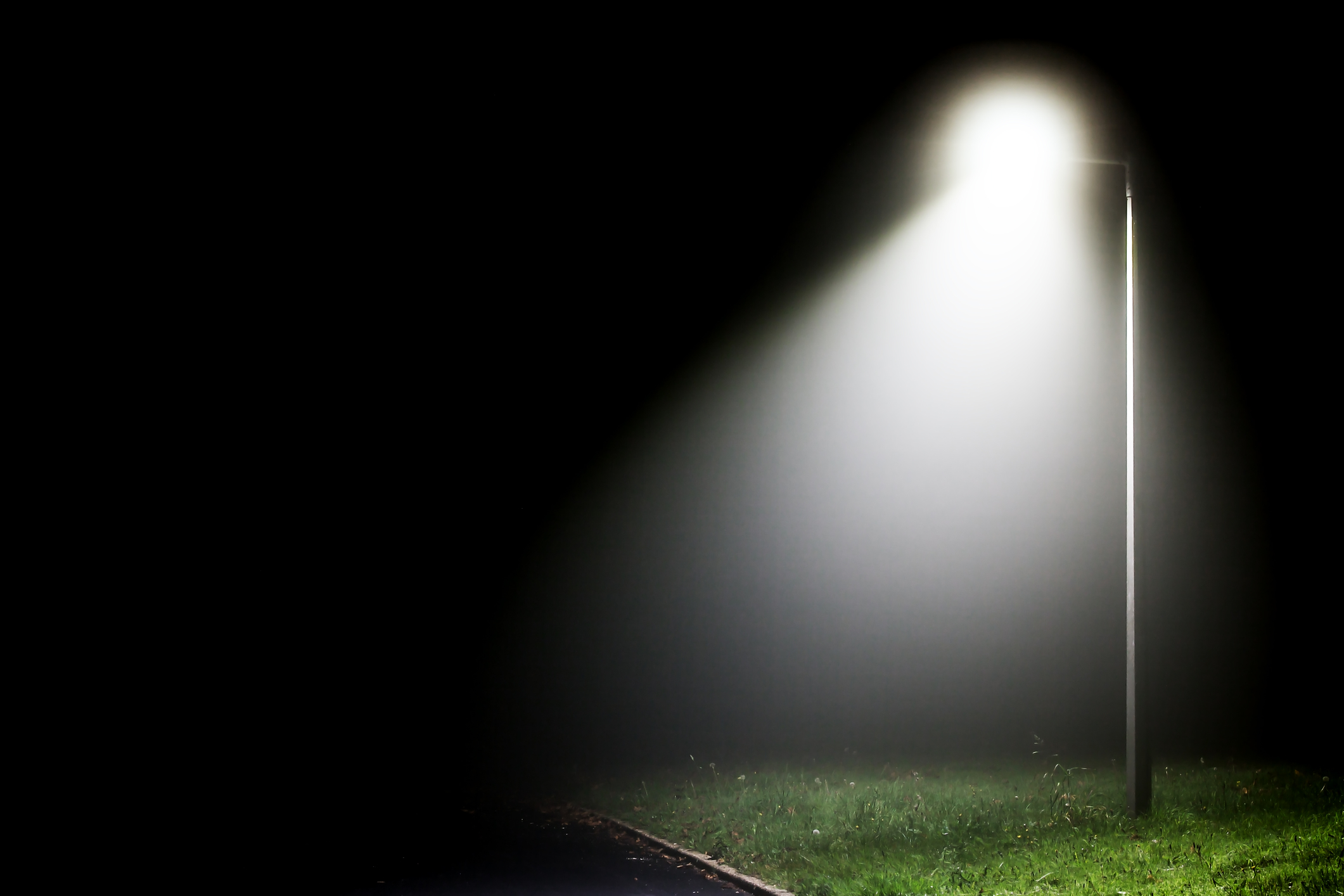
© Ig0rzh | Dreamstime.com
If the first seven months of the year are the light or daytime of the year, then the coming months of the year are a time of night or darkness. Creation is a witness to this truth. The trees and plants release their leaves to rest and prepare for a new “day” in the spring. Some animals go into hibernation, a deep sleep, awaiting the “day.” In winter, there is less light, and (spiritual) food is more difficult to find unless one stored up treasures while it was still day (spring/summer/feast cycle).
Pondering upon these things, and considering the struggle many have in grasping hold of the “joy” that we are commanded to have during Sukkot, inspired this writing. Since this season should be marked by rejoicing and joy, one should expect to be tested in this area at Sukkot. I’ve spoken to several people that have a sense of foreboding, cloudy vision, and a bit of terror or worry because they are wrestling with finding “joy” right now. If you identify with this battle, I hope this post will encourage you. Just because we find ourselves in a battle with darkness, doesn’t always mean that we have sinned, are being punished, or have missed the mark.
Fear was the first emotion felt after the fall, so it will always be one’s first inclination in matters that appear “dark” or hidden to us (change, the unknown). Humans fear the dark, and the year is turning or changing toward the night at this season. If you sense a change, shift, or if your spirit seems to be in a state of “unrest,” perhaps it is due to the natural and spiritual rhythms of Adonai’s calendar.
Do not despair. Remember that this is the season that the soil is turned up and seeds are sown in the dark, rich soil. By looking at what the Bible says about light and darkness, we can gain confidence, encouragement, and insight into these coming months; and we can know that we have nothing to fear in the darkness.
The Dichotomy of Light & Darkness
© Mreco99 | Dreamstime.com
On the surface, the difference between light and darkness is obvious. Light equals good and darkness equals bad. We are told that the Torah is a Light (Pr. 6:23), just as the Living Torah, Yeshua, is the Light (John 1, Luke 1:79). We are to be a light to the world just as our Master is the Light of the World (Mt. 5:14, John 8:12). If we are Messiah’s, then we are the children of light (Eph. 5:8)
The forces of darkness are evil, but God is the Light that pierces the darkness (John 1:5). Darkness is often equated with the lost, sin, ignorance (blindness), a troubled soul, sorrow, prison, trouble, pestilence, rebellion, death (the grave), evil, judgment, and stinginess. (Job 10:21, Ps. 82:5; Ps. 88, Ps. 91:6, Ps. 107: 10-14, Ps. 143:3, Pr. 2:13; 4:19, Ecc. 2:14; 5:17, Is. 5:30; 8:22; 29:18; 42:7; 59:9-10, Jer. 13:16; 23:12, Lam. 3:1-2, Ezek. 32:8, Amos 4:13, Mt. 6:23, etc.)
That seems black and white, easy peasy, light = good, darkness = bad, right? While most of the time this is true, it is not always the case. We must consider the entire counsel of God or we will make some grave errors in judgment, which leads to fear and condemnation.
Remember that we are in a fallen world where deception is prevalent and the enemy masquerades as an “angel (messenger) of light.” We live in a culture where there are those that who call evil good, and good evil; who substitute darkness for light and light for darkness; who substitute bitter for sweet and sweet for bitter and deceive many. (Is. 5:20) This is why we so desperately need the wisdom and understanding from the Spirit of God.
Is Darkness Ever Good?
When Abram received the covenant of pieces, it was EREV, when the sun was going down. As darkness approached, our father of the faith FELT horror and dread.
Gen. 15:12 (NKJV) Now when the sun was going down, a deep sleep fell upon Abram; and behold, horror and great darkness fell upon him.
Obviously, this account was not evil, but it was ominous for Abram, though wonderful at the same time. When Adonai walked through the pieces, Abram was in a “deep sleep,” a prophetic state, an awesomeness. (For more on this, click here.) Normally, man sleeps when it is dark. But this is also a time when God speaks to man in dreams and visions. Sometimes dreams are terrifying. Do not be quick to assume that these are of the enemy.
Job 7:14 (NASB) Then You frighten me with dreams And terrify me by visions.
Job 33:14-18 (NASB) “Indeed God speaks once, Or twice, yet no one notices it. 15 “In a dream, a vision of the night, When sound sleep falls on men, While they slumber in their beds, 16 Then He opens the ears of men, And seals their instruction, 17 That He may turn man aside from his conduct, And keep man from pride; 18 He keeps back his soul from the pit, And his life from passing over into Sheol.

© Marcos Calvo Mesa | Dreamstime.com
Feeling horror or fear is not always an indicator of judgment or something evil. Abram was receiving the covenant and he was afraid! If the father of our faith felt fear when in the presence of HaShem, how much more so will we feel fear in His weighty presence?
Fallen man, including those that have been redeemed, often perceive God’s Presence as “darkness.” Not that it’s evil, but it is heavy and glorious (kavod), difficult to perceive, hidden- yet felt, cloudy and thunderous. In a word, it is AWESOME.
Ex. 20:20-21 (NKJV) And Moses said to the people, “Do not fear; for God has come to test you, and that His fear may be before you, so that you may not sin.” 21 So the people stood afar off, but Moses drew near the thick darkness where God was.
Our God dwells in thick darkness. He speaks and gives His covenant from this cloudy mist! Moses reminds the children of this account in Deuteronomy.
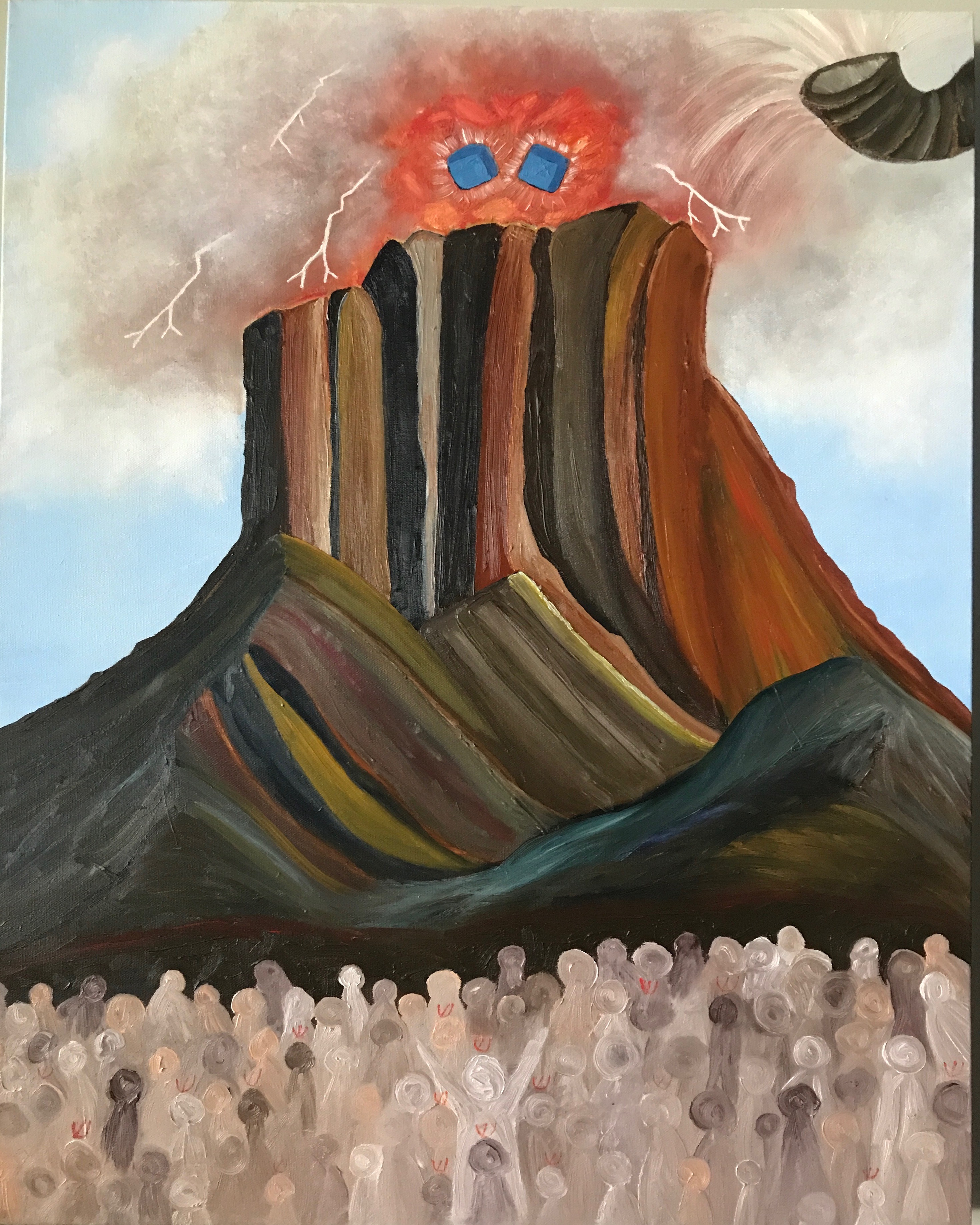
Dt. 4:10-13 (NKJV) Especially concerning the day you stood before the LORD your God in Horeb, when the LORD said to me, ‘Gather the people to Me, and I will let them hear My words, that they may learn to fear Me all the days they live on the earth, and that they may teach their children.’ 11 “Then you came near and stood at the foot of the mountain, and the mountain burned with fire to the midst of heaven, with darkness, cloud, and thick darkness. 12 And the LORD spoke to you out of the midst of the fire. You heard the sound of the words, but saw no form; you only heard a voice. 13 So He declared to you His covenantwhich He commanded you to perform, the Ten Commandments; and He wrote them on two tablets of stone.
Dt. 5:22-24 (NKJV) “These words the LORD spoke to all your assembly, in the mountain from the midst of the fire, the cloud, and the thick darkness, with a loud voice; and He added no more. And He wrote them on two tablets of stone and gave them to me. 23 “So it was, when you heard the voice from the midst of the darkness, while the mountain was burning with fire, that you came near to me, all the heads of your tribes and your elders. 24 And you said: ‘Surely the LORD our God has shown us His glory and His greatness, and we have heard His voice

“Luchot HaBrit” Painting by Kisha Gallagher 2018
from the midst of the fire. We have seen this day that God speaks with man; yet he still lives.
David recalls this account this way:
2 Sam. 22:10-14 (NKJV) He bowed the heavens also, and came down with darkness under His feet. 11 He rode upon a cherub, and flew; and He was seen upon the wings of the wind. 12 He made darkness canopies around Him, dark waters and thick clouds of the skies. 13 From the brightness before Him Coals of fire were kindled. 14 “The LORD thundered from heaven, and the Most High uttered His voice.
Ps. 18:9-11 (NKJV) He bowed the heavens also, and came down with darkness under His feet. 10 And He rode upon a cherub, and flew; He flew upon the wings of the wind. 11 He made darkness His secret place; His canopy around Him was dark waters and thick clouds of the skies.
This kind of darkness depicts how God and His Throne are concealed from man. He is unknowable and difficult to perceive; and yet, He chooses to reveal Himself, His voice, His covenant, His Torah, because He loves us. The darkness that surrounds Him protects us from being consumed by the brilliance of His glory and righteousness.
Ps. 97:1-2 (NKJV) The LORD reigns; Let the earth rejoice; Let the multitude of isles be glad! 2 Clouds and darkness surround Him; Righteousness and justice are the foundation of His throne.
Seeds grow while buried in the darkness of earth. Beasts and mankind grow in the dark waters of the womb. Adonai, the Great Sower and Giver of Life, knows each one as they form and mature to sprout from the ground and burst from the womb. Dark places are where life grows!
Ps. 139:12-13 (NKJV) Indeed, the darkness shall not hide from You, But the night shines as the day; The darkness and the light are both alike to You. 13 For You formed my inward parts; You covered me in my mother’s womb.
Is. 45:3-7 (NKJV) 3 I will give you the treasures of darkness And hidden riches of secret places, That you may know that I, the LORD, Who call you by your name, Am the God of Israel.
4 For Jacob My servant’s sake, And Israel My elect, I have even called you by your name; I have named you, though you have not known Me.
5 I am the LORD, and there is no other; There is no God besides Me. I will gird you, though you have not known Me,
6 That they may know from the rising of the sun to its setting That there is none besides Me. I am the LORD, and there is no other;
7 I form the light and create darkness, I make peace and create calamity; I, the LORD, do all these things.’
Hidden things, secret things, concealed things are all a type of darkness. These things are like treasures buried in the earth, formed by great heat and pressure, priceless jewels and metals awaiting the time that one will carve them out of the dirt, stones, and mountains. Once polished and cut to precision, what was once concealed in deep darkness shines and sparkles with the ability to refract glorious light. This is what good teachers, like the Chazal, do for us. They take what was a rough, dull, and cloudy stone, and turn into a prism that refracts the light into streams that we can glean from and understand, so we are transformed and renewed.
Dan. 2:22-23 (NKJV) He reveals deep and secret things; He knows what is in the darkness, And light dwells with Him. 23 “I thank You and praise You, O God of my fathers; You have given me wisdom and might, And have now made known to me what we asked of You, For You have made known to us the king’s demand.”
Is. 42:16 (NKJV) I will bring the blind by a way they did not know; I will lead them in paths they have not known. I will make darkness light before them, And crooked places straight. These things I will do for them, and not forsake them.
Do not fear the darkness. Do not fear the change that is in the air. Do not fear dreams of the night. This coming season is for digging into the dark depths to uncover what is concealed. Enter the dark cloud and let the Word wash and transform your face to reflect His glorious light.
Pr. 25:2-5 (NASB) It is the glory of God to conceal a matter (davar –word), But the glory of kings is to search out a matter (davar). 3 As the heavens for height and the earth for depth, So the heart of kings is unsearchable. 4 Take away the dross from the silver, and there comes out a vessel for the smith; 5 Take away the wicked before the king, and his throne will be established in righteousness.
This is the Eighth Day; an end and a beginning. The scroll of the davar (word) is rolled back to the Beginning. The cycle starts in the darkness in Genesis 1, and the erev of the year. But, it is faithful to the Creator’s rhythm of Light piercing the darkness, renewal, and revelation. Be altogether joyful!
[1]Consider Joel 2:2, Amos 5:18-20, Zeph. 1:15, also look up the revelation on Mt. Sinai, and the revealing of God’s Throne in the Book of Revelation. All involve darkness, clouds, and thunder.











 GRACE in TORAH