Posts Tagged With: Rosh Chodesh

Chodesh Av 2018

I wanted to get this posted at the beginning of the month of Av, but I’ve been too busy to edit! Every year as I am intentional about celebrating the Moonthly Cycle, Abba has me focus on a particular area, a lot of which is not in my book on celebrating the New Moon. I plan to share my monthly notes from our local gatherings with you, but changing my notes to a blog post that makes sense to a reader requires quite a bit of editing. Better late than never! 

          © Kalina Vova | Dreamstime.com

Chodesh Av

  • Month: Five (11th month on civil calendar)
  • Tribe: Shimon
  • Sense: Hearing
  • Seasons/Feasts: Three Weeks (Dire Straits – from Tammuz 17 to Av 9), Transition by Tu B’Av (Av 15), Fast on Av 9.
  • Theme: From destruction and mourning to comfort and joy, especially in relation to the House of Adonai.

Month five has correlations with day five of creation. That is the day that the birds and fish were created to swim and fly through the wind and water currents of the earth. These are also those that rapidly spread Seed from continent to continent. Seeds can be likened to words or even THE Word. Words can destroy or words can bring Good News, a comfort to the world. In the following offering, see if you can pick out the themes of day five of creation.

Months four and five are connected by the Three Weeks. The sense of Tammuz was sight/seeing/vision, and the sense of Av is hearing/listening. Let’s consider the differences. The sense of seeing is more akin to having spiritual vision or being able to “see” the truth and promises of God despite what one’s circumstances and natural vision suggests. (Ex. The evil report of the ten spies. Joshua and Caleb saw the same thing as the other spies; and yet, Caleb declared, “Let us go up at once and take possession, for we are well able to overcome it.”   [Num. 13:30, Jos. 14:6-15])

This implies that we will face spiritual forces, like giants that have fortified cities, which are people and circumstances that are much stronger than we are during Av (beginning in Tammuz). And yet, the lesson to be learned is to choose to believe the promises of YHWH despite what one sees or hears in the natural. The One in you is stronger than any enemy or circumstance. Fear not.

In light of that, I have a few questions for you to ponder from last month.

  1. How many of you were tested in the sense of “seeing” during the month of Tammuz?
  2. What giant did you face?
  3. What enemy within a fortified (strong) city sought to discourage you?
  4. Based on the Torah portions of Tammuz, did you struggle with proper or improper authorities?

From Seeing to Hearing

Gen. 29:33 (NASB) Then she conceived again and bore a son and said, “Because the LORD has heard that I am unloved, He has therefore given me this son also.” So she named him Simeon.

Shimon means to hear, shema. “We will hear and we will do.” The irony of the sense of seeing coming before hearing in the months is that we cannot see without hearing first. Even a baby in the womb hears before he sees. Biblical or Spiritual vision is the ability to see what is heard: the WORD of YHWH.

       © Nipa74 | Dreamstime.com

What voice have you been listening to? Protect your ears! When things “look” bad in the natural do you hear a voice that says that you deserve calamity? That says, you are worthless, that you are not good enough, that you are UNLOVED by your Husband, like Leah?

If so, it’s time to give birth to Shimon. Adonai hears you, you must hear Adonai. In the Torah, Simeon and Levi act rashly with their swords on account of their sister Dinah. This cost each of these tribes a true portion or inheritance in the Land. They would be scattered in Israel. (Gen. 49) Thus, patience and waiting for the authority over us to give instruction is a test in one’s “hearing.” Just because you know something, doesn’t mean you have the authority to be the judge and executioner. A much better example of a godly Shimon is found when baby Yeshua is presented in the Temple or House of Adonai:

Luke 2:25-35 (NASB) And there was a man in Jerusalem whose name was Simeon; and this man was righteous and devout, looking for the consolation (comfort) of Israel; and the Holy Spirit was upon him.  26 And it had been revealed to himby the Holy Spirit that he would not see death before he had seen the Lord’s Christ.  27  And he came in the Spirit into the temple; and when the parents brought in the child Jesus, to carry out for Him the custom of the Law,  28  then he took Him into his arms, and blessed God, and said,  29  “Now Lord, You are releasing Your bond-servant to depart in peace, According to Your word;  30  For my eyes have seen Your salvation,  31  Which You have prepared in the presence of all peoples,  32  A LIGHT OF REVELATION TO THE GENTILES, And the glory of Your people Israel.”  33 And His father and mother were amazed at the things which were being said about Him.  34 And Simeon blessed them and said to Mary His mother, “Behold, this Child is appointed for the fall and rise of many in Israel, and for a sign to be opposed—  35 and a sword will pierce even your own soul—to the end that thoughts from many hearts may be revealed.”

In the above passage, there is a righteous man named Simeon, one who hears. Simeon believed what he HEARD. Go back and look at the bolded and underlined words and phrases above. Do you “see” the words associated with hearing and seeing? Shimon was LOOKING for the consolation of Israel, that is their comfort, which ties perfectly into the themes of the Three Weeks, and the consolation of Tu B’Av. By following the moonthly cycle, we practice and prepare for this flow of time (that is, was, and is to come) in the seasons each year. Consider these verses:

Jer. 31:9-14 (NASB) “With weeping they will come, and by supplication I will lead them; I will make them walk by streams of waters, on a straight path in which they will not stumble; For I am a father to Israel, And Ephraim is My firstborn.”  10 Hear the word of the LORD, O nations, and declare in the coastlands afar off, and say, “He who scattered Israel will gather him and keep him as a shepherd keeps his flock.” 11 For the LORD has ransomed Jacob and redeemed him from the hand of him who was stronger than he.  12 “They will come and shout for joy on the height of Zion, and they will be radiant over the bounty of the LORD—Over the grain and the new wine and the oil, and over the young of the flock and the herd; And their life will be like a watered garden, and they will never languish again. 13 “Then the virgin will rejoice in the dance, And the young men and the old, together, For I will turn their mourning into joy and will comfort them and give them joy for their sorrow.  14 “I will fill the soul of the priests with abundance, And My people will be satisfied with My goodness,” declares the LORD.

 From weeping and mourning to consolation and joy. That is the connection between Tammuz and Av. We should expect our own walk each year to reflect the same. Simeon’s reward for believing and obeying – true HEARING-  the Word of God was that he could SEE the Comforter, Yeshua, the Consolation of Israel. And even then, the revelation was not complete as we are still awaiting His return and the fullness of the passage above. Until then, we practice. We remember. We see, and we hear.

Destruction of the House

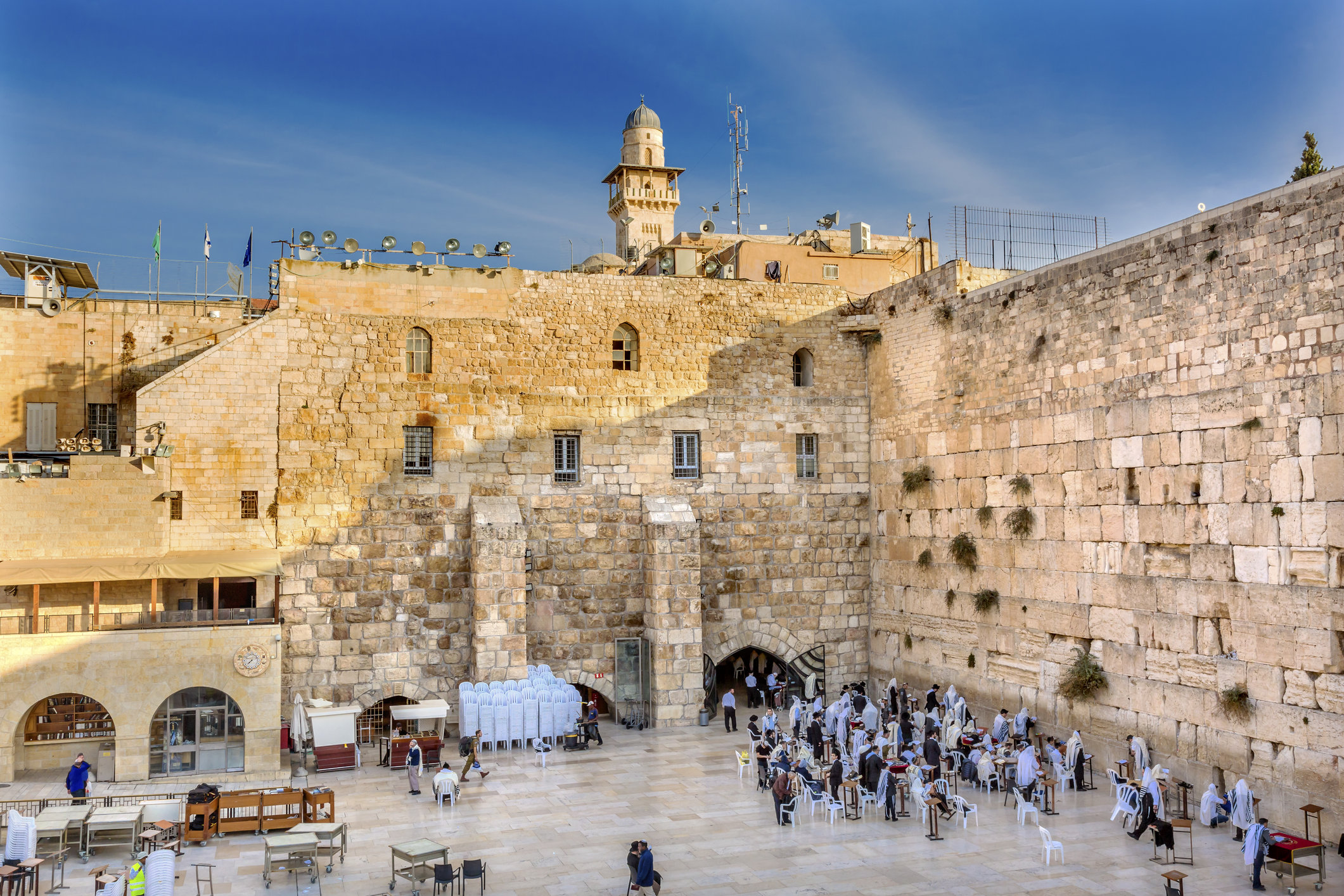
Closely related to the above is remembering the destruction of the Temple, mourning its loss, and believing for its renewal. Thus, I offer a little review. According to tradition, the first Temple was destroyed because of idolatry, and the second Temple was destroyed on account of baseless hatred among brothers. Essentially, this is God’s people breaking the two greatest commandments of loving Him and our neighbor as ourselves. Not doing so, destroys His House and ours!
            © Liorpt | Dreamstime.com

Since Tammuz 17th marks the beginning of the Three Weeks leading up Tisha B’Av (9thof Av), the date that both Temples were destroyed, we should expect to have tests and trials in this area, at this season.

What is the “House” or “Temple”?

  • The Body of Messiah
  • Our physical bodies
  • The Temple Mount/Zion/place of physical Temple
  • Your family
  • Your Assembly

Were any of you tested (or still being tested) in one of these areas? Have you been in a battle to keep these things from being destroyed? What is the purpose in this testing?

The Hidden Goodness in Av

When we see war, calamity, destruction, and unfavorable circumstances with people or life in general, we have a choice to make. If God is truly for us, and we really believe that, then we must adjust our vision, outlook, and attitude to align with the Good News that we have HEARD.

Ps. 119:91-92 (NASB) They stand this day according to Your ordinances, For all things are Your servants.  92 If Your law had not been my delight, Then I would have perished in my affliction.

 Mat. 19:26 (NASB) And looking at them Jesus said to them, “With people this is impossible, but with God all things are possible.”

 Eph. 1:11 (NASB) also we have obtained an inheritance, having been predestined according to His purpose who works all things after the counsel of His will

Do we really believe that ALL things are in God’s hands and control? That even the bad and hard things serve His purposes and are meant for our good, BECAUSE He loves us? There is a story in the Mishnah about a certain Rabbi called Nahum Gamzu that can help one adjust their attitude. I’ve written in other places about the month of Av being referred to as Menachem Av, or Comforting Father. The rabbi in the story below shares this name, Nachum, comforter. It is meant to not only redirect one’s vision or perception of life’s circumstances, but bring one consolation or comfort.

The Gemara inquires: And why did they call him Naḥum of Gam Zu? The reason is that with regard to any matter that occurred to him, he would say: This, too, is for the good [gam zu letova]. Once, the Jews wished to send a gift [doron] to the house of the emperor. They said: Who should go and present this gift? Let Naḥum of Gam Zu go, as he is accustomed to miracles. They sent with him a chest [sifta] full of jewels and pearls, and he went and spent the night in a certain inn. During the night, these residents of the inn arose and took all of the precious jewels and pearls from the chest, and filled it with earth. The next day, when he saw what had happened, Naḥum of Gam Zu said: This, too, is for the good.

When he arrived there, at the ruler’s palace, they opened the chest and saw that it was filled with earth. The king wished to put all the Jewish emissaries to death. He said: The Jews are mocking me. Naḥum of Gam Zu said: This too is for the good. Elijah the Prophet came and appeared before the ruler as one of his ministers. He said to the ruler: Perhaps this earth is from the earth of their father Abraham. As when he threw earth, it turned into swords, and when he threw stubble, it turned into arrows, as it is written in a prophecy that the Sages interpreted this verse as a reference to Abraham: “His sword makes them as the dust, his bow as the driven stubble” (Isaiah 41:2).

There was one province that the Romans were unable to conquer. They took some of this earth, tested it by throwing it at their enemies, and conquered that province. When the ruler saw that this earth indeed had miraculous powers, his servants entered his treasury and filled Naḥum of Gam Zu’s chest with precious jewels and pearls and sent him off with great honor.

When Naḥum of Gam Zu came to spend the night at that same inn, the residents said to him: What did you bring with you to the emperor that he bestowed upon you such great honor? He said to them: That which I took from here, I brought there. When they heard this, the residents of the inn thought that the soil upon which their house stood had miraculous powers. They tore down their inn and brought the soil underneath to the king’s palace. They said to him: That earth that was brought here was from our property. The miracle had been performed only in the merit of Naḥum of Gam Zu. The emperor tested the inn’s soil in battle, and it was not found to have miraculous powers, and he had these residents of the inn put to death. – Taanit 21a

 If we want to transition to the comfort of Av, or find the joy that comes after mourning, we must be able to “see” the world with eyes like Nachum Gamzu. Can we really say, “This, too, is for the best”? In every situation? Even the bad ones?

We currently see only dimly. We must mourn destruction and exile (both physically and spiritually). But we must also try to “hear” the goodness that is hidden in the bitterness of any destruction we encounter in this life and KNOW that Mashiach will come to comfort us, One Day showing us how “this too was really for the best.”

Paul mirrors this sentiment in Second Corinthians. Tu B’Av or the fifteen of Av just passed a few days ago on the calendar. I hope that you are beginning to see the Light after a period of darkness and heavy trials. Be encouraged dear one, in ALL things, rejoice, O daughter of Zion, for your King is Coming to you!

And in ALL things, be able to say, “Gam zu l’tovah!” (This, too, is for the good!)
 

            © Samrat35 | Dreamstime.com

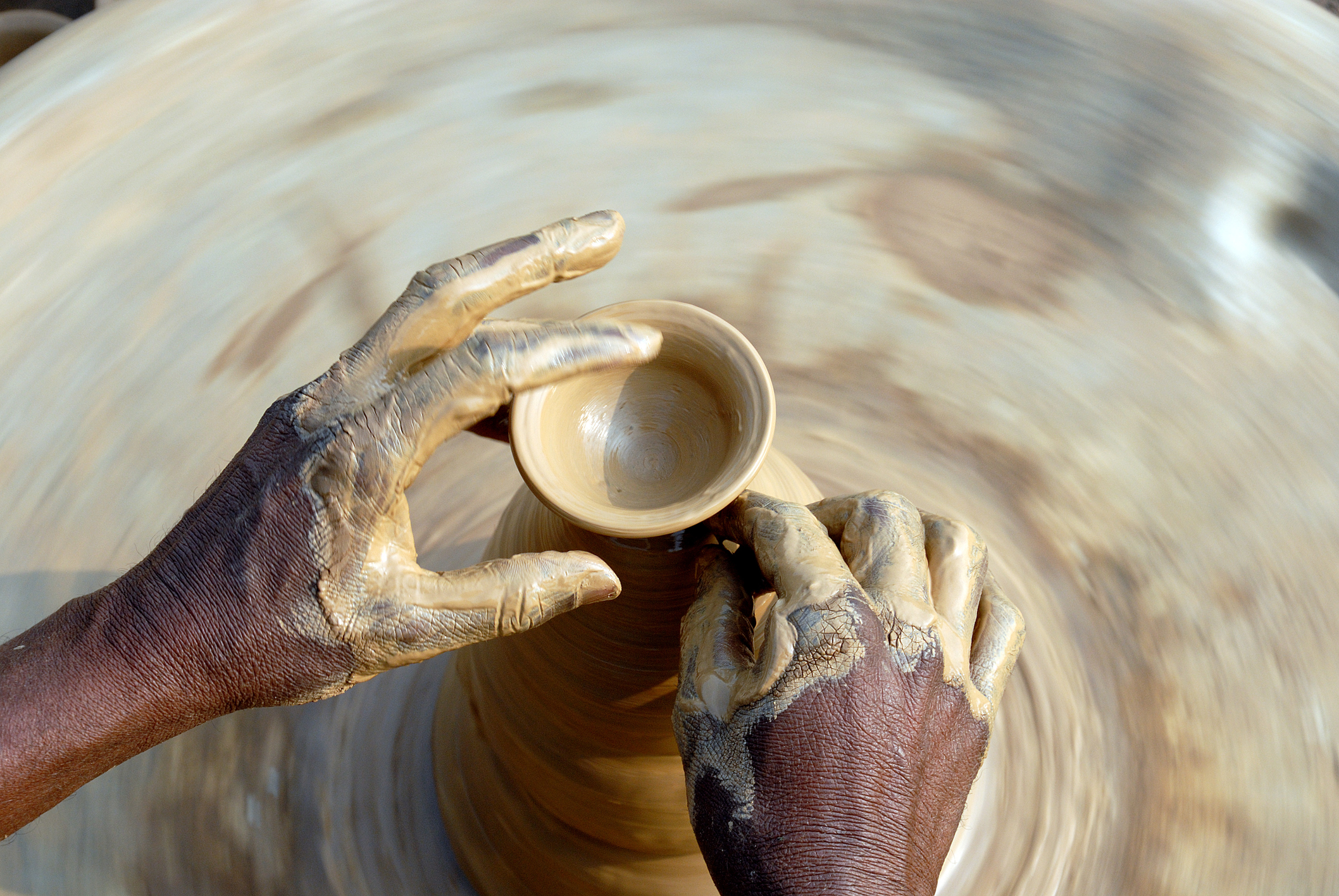
2Co 4:7-18 (NASB) But we have this treasure in earthen vessels, so that the surpassing greatness of the power will be of God and not from ourselves; 8 we are afflicted in every way, but not crushed; perplexed, but not despairing; 9 persecuted, but not forsaken; struck down, but not destroyed; 10 always carrying about in the body the dying of Jesus, so that the life of Jesus also may be manifested in our body.  11 For we who live are constantly being delivered over to death for Jesus’ sake, so that the life of Jesus also may be manifested in our mortal flesh.  12 So death works in us, but life in you.  13 But having the same spirit of faith, according to what is written, “I BELIEVED, THEREFORE I SPOKE,” we also believe; therefore, we also speak, 14 knowing that He who raised the Lord Jesus will raise us also with Jesus and will present us with you.  15 For all things are for your sakes, so that the grace which is spreading to more and more people may cause the giving of thanks to abound to the glory of God.  16 Therefore we do not lose heart, but though our outer man is decaying, yet our inner man is being renewed day by day.  17 For momentary, light affliction is producing for us an eternal weight of glory far beyond all comparison, 18 while we look not at the things which are seen, but at the things which are not seen; for the things which are seen are temporal, but the things which are not seen are eternal.


*** By the way, those of you that decided to share your journal of the months with me, please feel free to email me at gracentorah@gmail.com with your monthly results. (I will not make you or your notes public.) Please do not include personal names or organizations when describing trials, issues, or circumstances. Thank you!

 

Categories: Moedim, new moon | Tags: , , , , , , , | 3 Comments

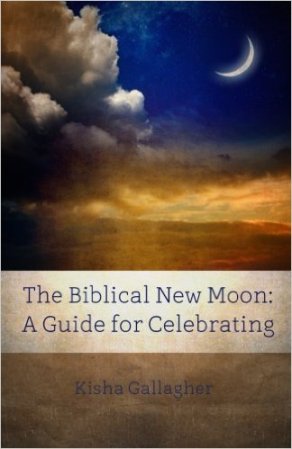
BEKY BOOK: The Biblical New Moon

book-coverIt’s been a while in the making considering its small size, but my BEKY Book is finally available on Amazon in both print and Kindle formats. BEKY Book stands for Books Encouraging the Kingdom of Yeshua. This series is the brainchild of Dr. Hollisa Alewine. She envisioned a platform that would accomplish two things. First, the series fills a gap for new-to-Torah folks. Each book is nonthreatening and easy to read. They are small enough to consume in one sitting and the language is Christian friendly, while introducing the reader to a few new Hebrew words and concepts. They are very affordable and make perfect gifts for those that show interest in the Hebraic walk. Secondly, she is giving lesser known teachers of the Gospel a larger platform to spread their messages to the Body.

Currently, there are seven different authors working on various Torah related topics for beginners in the BEKY Book Series. You can learn more at the BEKY Book website. By liking the BEKY Book Facebook page, you will receive updates on new titles, receive links to interviews with the authors, and will even have multiple chances to win a free copy of one of the new books.

My book is the fifth in the series and is entitled, The Biblical New Moon: A Guide for Celebrating. It’s not about calendar calculations or crescent moon sightings. Instead, it offers the reader an introduction to the Scripture, history, and tradition of new moon celebrations. It also examines the purpose and function of the moon. The second half of the book is devoted to each Hebrew month in an effort to help the reader celebrate each new moon/month and dedicate it to the Creator. My prayer is that this little booklet will shed some much needed light on this often forgotten festival of YHWH. May it bring glory to our King!

I humbly ask that you share this with your friends and family. Any Amazon reviews for my book and others in the BEKY Book series are also greatly appreciated! 🙂

For the Kindle version, click here.

Categories: Creation Gospel, News Flash, Women | Tags: , , , , , , | 10 Comments

Month of Av: Tisha B’Av and Tu B’Av

“The Lord has rejected all my strong men In my midst; He has called an appointed time [moed] against me to crush my young men; The Lord has trodden as in a wine press The virgin daughter of Judah. (Lam. 1:15 NASB)

Chodesh AvThe month of Av is the eleventh month on the Hebrew civil calendar and the fifth month on the Hebrew biblical calendar. This corresponds to July/August. Av literally means “father” (aleph-beht). It is customary to add the name Menachem to Av, which means “comforter” when speaking about this month because it is associated with many tragic events, yet our Father brings comfort. Thus, many refer to this month as “Menachem Av” (Comforting Father). We will explore this in more detail below.

According to tradition, each of the twelve (or thirteen) months on the Hebrew calendar correspond to one of the tribes of Israel. The month of Av is associated with Simeon (Shimon). Shimon’s name means to “hear.”[1] By examining the themes of the month of Av, it becomes increasingly obvious that one’s sense of hearing (or lack thereof) is the vehicle by which one will find themselves mourning or rejoicing. The question and consequent meditation for the month of Av is:

 “Will we heed the voice (Word) of YHWH? Or will we listen to evil reports and the desires of the flesh?

History and tradition records many events where the Children of Israel’s “hearing” was tested in the month of Av. Sadly, the testimony is usually a lack of hearing which resulted in great judgment. Consider the following list that is said to have occurred on the ninth of Av or Tisha B’Av.

  • During the time of Moses, the people believed the evil report of the 10 Spies, and the decree was issued forbidding them from entering the Land of Israel. (1312 BCE)
  • The First Temple was destroyed by the Babylonians, led by Nebuchadnezzar. 100,000 Israelites were slaughtered and millions more exiled. (586 BCE)
  • The Second Temple was destroyed by the Romans, led by Titus. Some two million Jews died, and another one million were exiled. (70 CE)
  • The Bar Kochba revolt was crushed by Roman Emperor Hadrian. The city of Betar – the Jews’ last stand against the Romans – was captured and liquidated. Over 100,000 Jews were slaughtered. (135 CE)
  • The Temple area and its surroundings were plowed under by the Roman general Turnus Rufus. Jerusalem was rebuilt as a pagan city – renamed Aelia Capitolina – and access was forbidden to Jews.
  • The Spanish Inquisition culminated with the expulsion of Jews from Spain on Tisha B’Av in 1492.
  • World War One broke out on the eve of Tisha B’Av in 1914 when Germany declared war on Russia. German resentment from the war set the stage for the Holocaust.
  • On the eve of Tisha B’Av 1942, the mass deportation began of Jews from the Warsaw Ghetto, en route to Treblinka.

These details from history makes one wonder if the timing of these calamities is mere coincidence. Does the LORD have an appointed time to “break” us?[2] According to Jewish tradition, He does, and that date is associated with the ninth of Av. Reread the verse from Lamentations quoted at the beginning of this post. In Hebrew, YHWH indeed has a “moed” or appointed time to break His wayward people. The LORD allows these calamities to come upon those that are His in order to bring them to repentance. It is our rebellions, shortcomings, and stiff-necks that provokes His hand against us. Like any loving parent, YHWH uses punishment in order to guide, teach, and protect His children. And like Him, we often set aside a particular time to mete out certain reprimands to our own children.

Just as a father has compassion (mercy) on his children, So the LORD has compassion on those who fear Him. (Ps. 103:13) 

Though the month of Av is connected with judgment and tragedy, it is equally linked to God’s mercy. The good news is that even when we are stiff necked or have closed ears, YHWH still loves us. So, though the focus of Tisha B’Av is denying oneself and repentance, there should be a transition in the observer from mourning to celebration.  One may grieve over past tragedies and rebellions, but hope is always in the Menachem Av (Comforting Father). It is His divine mercies that give one a hope for a good future. This is the essence of Tish b’Av. Remember the past, but move forward with an attitude of gratitude and a burning hope for a better future.

How to Listen

Most of my readers are aware of what it means in Hebrew to Shema. It means to hear/listen AND obey what is heard. The Jewish response to the tragedies enumerated above was to mark this infamous date as a day of fasting and repentance. It is important that one remembers, so they do not repeat the mistakes of our predecessors. But, one’s attitude in these matters is paramount. Listen to the question YHWH asks in Zechariah:

“Say to all the people of the land and to the priests, ‘When you fasted and mourned in the fifth and seventh months these seventy years, was it actually for Me that you fasted? ‘When you eat and drink, do you not eat for yourselves and do you not drink for yourselves? (Zec. 7:5-6) 

Our mourning, fasting, and rejoicing must be sincere. Notice how hearing and a lack thereof leads to punishment and exile in the rest of this passage:

Then the word of the LORD came to Zechariah saying, “Thus has the LORD of hosts said, ‘Dispense true justice and practice kindness and compassion each to his brother; and do not oppress the widow or the orphan, the stranger or the poor; and do not devise evil in your hearts against one another.’ “But they refused to pay attention and turned a stubborn shoulder and stopped their ears from hearing. “They made their hearts like flint so that they could not hear the law and the words which the LORD of hosts had sent by His Spirit through the former prophets; therefore great wrath came from the LORD of hosts. “And just as He called and they would not listen, so they called and I would not listen,” says the LORD of hosts; “but I scattered them with a storm wind among all the nations whom they have not known. Thus, the land is desolated behind them so that no one went back and forth, for they made the pleasant land desolate.” (Zec. 7: 8-14)

It seems that most every Word from the LORD leads back to the two greatest commandments: Love YHWH and love your neighbor. You want to really listen? You want to really hear the LORD? You want “ears that hear”? The Torah, the commandments, and the Word teach how to love YHWH and one’s neighbor. But, one must be humble enough to heed His voice.

How Not to Listen

Shimon, as the tribe of Av, and the name associated with hearing, has much to teach this month. Let’s see if we can learn from Shimon’s and his descendant’s mistakes. I find it fascinating that the man whose name means to “hear” seemed to often have closed ears. It seems ironic, but is it? Are we any different?

First, if you will recall, it was Shimon and Levi that decided to take justice into their own hands when Shechem violated their sister Dinah.[3] This enraged Jacob and he reprimanded his sons for their rash behavior.[4] Later, when Jacob blessed his sons, Shimon and Levi receive more of a rebuke than a blessing:

“Simeon and Levi are brothers; Their swords are implements of violence. “Let my soul not enter into their council; Let not my glory be united with their assembly; Because in their anger they slew men, And in their self-will they lamed oxen. “Cursed be their anger, for it is fierce; And their wrath, for it is cruel. I will disperse them in Jacob, And scatter them in Israel. (Gen. 49:5-7)

Notice that Jacob’s rebuke is similar to YHWH’s edicts against us when we are wayward. Exile or scattering, is one result of sin. Shimon and Levi acted in unholy anger when they attacked the Shechemites. We must be careful when someone kindles anger in us (right or wrong), for more often than not, we become the greater sinner when we allow our actions to be ruled by inflamed flesh. A reddened face full of rage makes one more like an Esau (red), and no better than a hairy beast. This will only bring wrath upon our own head and division in our camps.

Later, it seems that the Levites find favor from HaShem; but, as the LORD’s inheritance, they remained scattered throughout the tribes. When Moses hands out the tribal blessings, he says of Levi:

Of Levi he said, “Let Your Thummim and Your Urim belong to Your godly man, Whom You proved at Massah, With whom You contended at the waters of Meribah; Who said of his father and his mother, ‘I did not consider them’; And he did not acknowledge his brothers, Nor did he regard his own sons, For they observed Your word, And kept Your covenant. “They shall teach Your ordinances to Jacob, And Your law to Israel. They shall put incense before You, And whole burnt offerings on Your altar. “O LORD, bless his substance, And accept the work of his hands; Shatter the loins of those who rise up against him, And those who hate him, so that they will not rise again.” (Dt. 33: 8-11)

Shimon doesn’t fair quite as well. Moses skips over Simeon altogether when he blesses the tribes of Israel.[5] Rashi says that this is because of what happened in Shittim when Israel played the harlot with the daughters of Moab. Two particular characters in this drama were Zimri (a Simeonite) and Cozbi (a Midianite). They were in the throes of passion when Pinchas skewered them at the doorway of the Tent of Meeting, which stayed the plague. (Numbers 25)

Again, we see the one that should have had ears to hear given over to the passions of the flesh. Instead of boiling with anger, this time we see a Simeonite inflamed with a perverted sexual desire. Can you see a pattern developing here? The one that should have ears to hear is deaf to the instructions of the Creator. He is ruled by desire, his lower nature, making him no better than a beast of the field.

Unlike the other tribes (save Levi), Shimon didn’t receive a separate neighboring portion in the Promised Land. Instead, Shimon was scattered in various towns and cities within Judah’s allotment.[6] Jacob’s rebuke held true for both Levi and Shimon. Some of our actions have long lasting and dire consequences, even though we have found forgiveness.  This takes us back to the other themes for this month (Av): mourning, repentance, remembrance, and finally, joy. The good news is that one day, YHWH will turn all of our fast days into joyful celebrations for those that love truth and peace.

“Thus says the LORD of hosts, ‘The fast of the fourth, the fast of the fifth, the fast of the seventh and the fast of the tenth months will become joy, gladness, and cheerful feasts for the house of Judah; so love truth and peace.’ (Zec. 8:19)

Meanwhile, We Remember

Interestingly, there is only one person that the Torah records the exact date of their death. That man was the High Priest, Aaron.

Then Aaron the priest went up to Mount Hor at the command of the LORD, and died there in the fortieth year after the sons of Israel had come from the land of Egypt, on the first day in the fifth month. (Num. 33:38) 

Aaron passed from this life on the new moon of the fifth month of Av. It seems that from this point forward, Av would be associated with mourning. Since Aaron is directly connected to the Tabernacle and later Temple, I find it incredible that both Solomon’s and Herod’s Temples were later destroyed in the very month that her original High Priest passed away. There are many reasons for us to mourn these losses, but there are also reasons to wipe our tears away and look forward to a better hope/future.

The move from mourning to celebration is mirrored in the traditional haftarah reading for the Shabbat following Tisha B’Av. This Sabbath is called “Shabbat Nachamu” or the Sabbath of Comforting. The haftarah reading is from Isaiah 40: 1-26 and speaks of comforting God’s people after their suffering.

Moreover, by the time the moon gets full during the month of Av, another traditional holiday emerges: Tu B’Av (fifteenth of Av). After all the mourning of Tisha B’Av, the people begin to rejoice. Like the ninth of Av, there are several events that are associated wih this date in history; but instead of destruction, this date brought great reprieve and comfort to the people.

The first mention of Tu b’Av is in the Mishna (Taanit), where it says , “There were no better days for the people of Israel than the Fifteenth of Av and Yom Kippur, since on these days the daughters of Jerusalem go out dressed in white and dance in the vineyards. What they were saying: Young man, consider who you choose (to be your wife).” (Taanit 4:8). According to the Gemara, on this day the “tribes of Israel were permitted to mingle with each other.” (Taanit 30b)

Here are few things that are said to have occurred on Tu B’Av:

  • The death of the generation that left Egypt ended. (Ending the judgment for believing the report of the 10 evil spies.)
  • The daughters of Zelophehad were granted an inheritance like sons.
  • Members of the Tribe of Benjamin were readmitted to the community (Judges 19-21)
  • King Hosea, the king of the Northern Kingdom, removed the restrictions of King Jeroboam that prohibited the northerners from making pilgrimages to Jerusalem.
  • The Romans permitted the Jews to bury their dead who fell at Beitar.

As you can see, the month of Av ebbs and flows with the themes of destruction (judgment) and renewal. While Jews refrain from marrying during the mourning period of Av, the later part of the month, beginning with the fifteenth, marks a strong transition in their countenance. So much so, that many do marry on or just after this date. (Or new courtships are started.) This is the epitome of mourning turning into joy! As such, Tu B’Av is said to be a festival of love, quite a contrast to Tisha B’Av.

I encourage you to do your own research on Chodesh Av, Tisha B’Av, and Tu B’Av. There is a wealth of information at your fingertips you need only use them. For now, I thought it best to leave you with a few bullet points for ways to celebrate and meditate during the Rosh Chodesh of Av and the fast of Tisha B’Av.

Chodesh Av

  • Meaning: Av means Father. Mazel for this month is aryeh (the lion).[7] (A clever eye will notice that this month pictures both the Father and the Son.)
  • Major theme: Destruction and Renewal.
  • Meditation: Hear (Shema) the voice of Adonai. Discern between the voice of YHWH and the desires of the nephesh (flesh). Misplaced zeal can quickly become the latter.
  • Remember: The Tabernacle, fallen Temples, and other rebellions of the past. Learn from them.
  • Look Forward: To our heavenly High Priest, Yeshua, the third Temple, and the eventual New Jerusalem.

Tisha B’Av

  • Fast from sundown to sundown on the ninth of Av (unless it falls on Shabbat, then fast the following day). Feel free to look up other traditional things to avoid during the fast such as not wearing leather shoes, perfume, and avoiding baths. (These are ways to “afflict your soul/nephesh” as you focus on lamenting and repentance.)
  • Confess your sins and the sins of our forefathers. (Remember that many of the atrocities that happened to the Jewish people on Tisha B’Av came by the hand of Christians.) Daniel 9 gives a model of confessing the sins of others.
  • Read through Lamentations.
  • Search for Scriptures that speak about God’s mercy on His people and passages that deal with fasting and repentance.


For more understanding of why nine (Tisha B’Av) is associated with both judgment and blessings click here and here. For more on the significance of five, as in the fifth month and fifteenth day (Tu B’Av), click here and here


[1] Gen. 29:33

For the month of Av being associated with Shimon, see Artscroll’s Wisdom in the Hebrew Months.

[2] The Hebrew word translated as “crush” in the Lamentations verse above is Strong’s number: H7665. It literally implies breaking or brokenness. Brown, Driver, and Brigg’s Hebrew defines it thusly:

שׁבר

shâbar

BDB Definition:

1) to break, break in pieces

1a) (Qal)

1a1) break, break in or down, rend violently, wreck, crush, quench

1a2) to break, rupture (figuratively)

1b) (Niphal)

1b1) to be broken, be maimed, be crippled, be wrecked

1b2) to be broken, be crushed (figuratively)

1c) (Piel) to shatter, break

1d) (Hiphil) to cause to break out, bring to the birth

1e) (Hophal) to be broken, be shattered

[3] Gen. 34:25

[4] Gen. 34:30

[5] Dt. 33. Shimon is absent from the blessings.

[6] It appears to me that Judah takes authority and care over the Simeonites. This is likened to Yeshua taking care of and covering us for our sinful mistakes. In other words, we didn’t “shema,” hear.

[7] This is NOT astrology! The enemy has twisted the monthly constellations into a perverted way to divine the future and/or disposition of a person. But, YHWH says the stars were put in the sky to mark the seasons (moedim), to be as signs, to distinguish day and night, and to give LIGHT upon the earth. The heavens declare the glory of God. This includes the stars and the constellations. A careful look at the Creator’s handiwork will reveal that the constellations proclaim the Gospel, and were never meant to divine one’s personal finances, love life, or the like.

Categories: Moedim | Tags: , , , , , , | 12 Comments

Moonbeams and the Moedim Part II

We discussed the LORD as the Master Time keeper and the relationship between women and the moon in Part I. This post will compare the four primary moon phases to the feast days and women’s cycles. 

Quick Review

The Creator’s purpose for placing the great luminaries in the sky is to govern our TIME (and calendars).

Then God said, “Let there be lights in the expanse of the heavens to separate the day from the night, and let them be for signs and for seasons and for days and years; and let them be for lights in the expanse of the heavens to give light on the earth“; and it was so. God made the two great lights, the greater light to govern the day, and the lesser light to govern the night; He made the stars also. God placed them in the expanse of the heavens to give light on the earth, and to govern the day and the night, and to separate the light from the darkness; and God saw that it was good. There was evening and there was morning, a fourth day. (Gen. 1:14-19)

© Kalina Vova | Dreamstime.com

The moon is given a unique role in setting our calendars; it keeps, guards, protects, and marks out our moedim or appointed times with the Creator. These roles mirror those of the female and the ezer kenegdo.[1] These “appointed times” or appointments with God were meant to be important and relevant to God’s people in all generations (Lev. 23).

He made the moon for the seasons (moedim)… (Ps. 104:19)

In this post, we are going to focus on the various moon phases that mark out our months. Have you ever considered what phase the moon is in at various biblical festivals? Do you think it’s possible that the Creator meant for us to consider not only the season of each feast, but also the phase the moon would be in? Since the moon was given for the moedim, I believe there is great significance to be gleaned by these observances.

The moon actually changes (from our perspective) a little each night. Science generally categorizes these changes into four principal lunar phases. In between each of these quarters, there are also four intermediate phases.[2] All together, they are:

  • New moon (astronomical)
  •      Waxing crescent
  • First quarter
  •      Waxing gibbous
  • Full moon
  •      Waning gibbous
  • Last quarter
  •      Waning crescent

                                                           © Igor Korionov | Dreamstime.com

For our purposes here, I will be using the four principal lunar phases as section titles. Where a feast day falls during an intermediate phase, it will be noted. But first, let’s define the new moon more clearly.[3]

As I’m sure most of my readers understand, there is a difference between the astronomical new moon and the biblical new moon. The astronomical new moon occurs when the moon is completely invisible or dark. Most of the time, you can see this phase with the naked eye. The moon appears “full” but it has no illumination. This may help us to understand a fascinating contranym (a word that can mean its own opposite) in Hebrew with regard to the moon. That word is the Hebrew keseh. This Hebrew word may sound familiar to you in the form Yom HaKeseh, the Hidden Day — a day referring most particularly to the new moon feast of Yom Teruah (Rosh Hashanah).

Truly, the moon is “hidden” just before the first sliver of the new crescent reveals the return of light and the biblical new moon. But the word keseh means much more than “hidden”. It is used here in the Psalm 81:

Blow the trumpet at the new moon (chodesh), at the full moon (keseh), on our feast day (chag). (Ps. 81:3)

Chodesh (New Moon) is a Hebrew word derived from the root meaning new or renew.[4] The Crescent New Moon is called chodesh precisely because it is the first time the moon is seen anew after being concealed in darkness. What seems to cause confusion is the uncertainty of the root behind the Hebrew word keseh (translated as full moon). This is Strong’s definition followed by its root.

H3677 כּסה    כּסא kese’  keseh Apparently from H3680; properly fullness or the full moon, that is, its festival: – (time) appointed.

H3680 כּסה kâsâh A primitive root; properly to plump, that is, fill up hollows; by implication to cover (for clothing or secrecy): – clad self, close, clothe, conceal, cover (self), (flee to) hide, overwhelm. Compare H3780.

Obviously, keseh means to be full or fully covered. Is not the full moon full of light and the new moon covered in (partial) darkness? Can you detect the contranym in keseh? This word denotes both revealed fullness and concealed coverings. Keseh is like kos, cup. The full moon is like a cup overflowing with abundance. Likewise, the new moon is “covered” with the same abundant force. Thus, the moon (from our perspective) is in a continual state of keseh. Like many Hebrew words, keseh can mean its own opposite. The moon is both revealed and concealed in a cycle. This activity is mirrored by women, both in their appearances in the biblical narratives (their movement in and out of the text) and in their physical bodies (menses/flow).

According to the Bible and Hebraic history, sighting the very first sliver of the waxing moon crescent marks a biblical new moon. This makes sense considering that when the moon is still black, there is not yet an indication of renewal. Only when the first visible sign of light returns can the moon be considered “renewed”. Historically, each new month began with the sightings of two reliable witnesses. Once announced, two silver trumpets heralded the day. Signal fires were then lit from mountain to mountain to spread the news throughout the Kingdom. And a new moonth began.

Rosh Chodesh (New Moon)

Phase One

The Biblical New Moon honors God as the Creator, the Master of TIME and new beginnings. The moon is a symbol that emphasizes our move from darkness unto light. At the head of every new month, we have an opportunity to live out this truth anew. The moon’s cycle of waxing and waning reminds us that even in our failings, when our light decreases, there is always hope for renewal. Rosh Chodesh offers us the opportunity to begin anew every month. This is just one more way that we may join YHWH as masters of TIME in the wheel in the middle of the wheel.

In Jewish tradition, women are given special honor during Rosh Chodesh. Some women celebrate it as a special Shabbat from certain types of labor and gather together with other women for study. There are several stories from tradition that make these associations quite fascinating. You can read about them in the links in this footnote.[5] Regardless of whether the traditional stories are true or not, the physical nature of women’s cycles weren’t lost to the Sages. Though shrouded in some mystery, women’s bodies align themselves with YHWH’s mystical lunar clock.

Yom Teruah

Although Chanukah extends into a new moon phase, there is only one feast day that begins at the New Moon: Yom Teruah or Rosh Hashanah (Trumpets). It may now be very obvious why trumpets are blown at this date. Since weather can affect the sighting of a new moon sliver, this day has been dubbed, Yom HaKeseh, the Hidden Day at which no man knows the hour or the day of its occurrence. Yom Teruah heralds the seventh month, the coming Day of Atonement, and the Feast of Ingathering.

This day calls the ones sleeping in darkness to hear the great alarm of the shofar. Wake from slumber and know the season and phase you are entering. The Father desires that none perish, but many will choose otherwise. There are exactly ten days between Rosh Hashanah and Yom Kippur. These days are called the Days of Awe and throughout this time, the moon grows fuller and fuller. In other words, the new moon brings promises of more light, more awareness. There is an escalation that begins with this New Moon Feast that will culminate at Sukkot. Remember that first sliver of light is visible at this feast and moon phase. It brings with it the potential for growth and restoration.

Women

Many women have their menses either during the dark/new moon or during the full moon. They shed the old, so they can begin building the new. Obviously, menses can occur at any time during the month, but when a woman bleeds during the new moon, she will be fertile at the full. And when she bleeds at the full moon, she will be fertile during the new moon. Studies show that the more women are exposed to natural light (rather than artificial), the more consistent their cycles align with the moon phases.[6] The new moon is certainly a type of renewal, just as the woman’s womb continually renews itself.

To simplify our analogy with women and the moon, let’s consider a woman that ovulates during the new moon. If the egg is met with seed, new life will begin to form.

First Quarter

Phase Two

 As soon as the first sliver of the new moon reveals itself, the moon begins to grow increasing fuller in the night sky.

Shavuot and Yom Kippur

Shavuot (Pentecost) is the fourth feast on the LORD’s calendar. It is the holiday that commemorates the giving of the Torah and the Holy Spirit. Every year, this spring harvest festival falls at the waxing moon. The implication is that this season and phase of the moon is a time of growth, harvest, and blessing.

Yom Kippur, the Day of Atonement, also falls at this time as the sixth feast. As the most holy day of the year, it behooves us to ask why it arrives during the waxing moon. I believe the answer is revealed when we also consider the other two festivals that sandwich this feast (fast) day in the seventh month. We’ve already looked at Rosh Hashanah as the new moon. It calls us to awaken from our slumber and to hear the shofar’s call, warning us of coming Judgment. Ideally, the call will lead us to life.

Yom Kippur is the Day of Judgment. Too often we associate judgment with finality. The moon speaks to us that that is not what the Creator has in mind. There is more to the story. His desire is that we are judged favorably as pictured in this waxing/growing moon phase. Judgment leads us to something. It points us to eternity as visualized in the following feast of Sukkot (Tabernacles).

Women

If an egg was fertilized at the new moon, then at this phase, the zygote will be implanted into the womb and growth will rapidly occur. Conversely, if no seed was received, the womb will prepare to shed in menses.

The Full Moon

Phase Three

The full moon falls around the fourteenth or fifteenth day of Hebrew months. The important thing to remember is that when the moon is full, we have the most light in the darkness. It’s easier to SEE.

Pesach and Sukkot

Two of the three pilgrimage festivals, Pesach (Passover) and Sukkot (Tabernacles), occur at the full moon. If we looked at all seven festivals together, these feasts would bookend Adonai’s entire calendar. The light of the moon offers a bright night sky for worshippers and pilgrims to gather together. Interestingly, Sukkot commemorates the original Passover and the succeeding wanderings in the wilderness. The two feasts with the most light in the darkness are linked and connected by their memorials, light, and completeness.

Mystically speaking, there is more “spiritual” light on the earth at these appointed times. In my experience, it is the two festivals of Passover and Tabernacles that people are more curious about and willing to participate in.

Women

If a woman ovulated during the new moon, she will begin menses at this time if she didn’t receive seed. If she did conceive, her body will pause her cycle at this moon and full gestation will begin. I believe Passover and Sukkot both impregnate the true spiritual seeker with a desire to seek the Creator more diligently through obedience.

Last Quarter

Phase Four

The moon’s light begins to decrease.

Unleavened Bread, Early Firstfruits, Shemini Atzeret, and Chanukah

Holidays that fall during the waning days of diminishing light include Chanukah (which extends into the new moon) and Shemini Atzeret/Simchat Torah, the eighth day of Sukkot. This holiday also marks the end of the Torah cycle and its beginning. These are holidays of new beginnings, cleansing and renewal, and portals from death into life.

In the spring, just after the full moon of Passover, come the days of Unleavened Bread and Early Firstfruits. The moon light begins to gently decrease during these days as well. The theme of these festivals mirrors Shemini Atzeret and Chanukah. This isn’t surprising since they all occur during the same waning moon phase. Harvest, rebirth, resurrection, and renewal are all present.

While decreasing in light can be considered a negative thing, sometimes it is a very necessary and holy act. Perhaps that is why more feast days occur at this moon phase than any other. Consider John the Baptist’s words:

John answered and said, “A man can receive nothing unless it has been given him from heaven. “You yourselves are my witnesses that I said, ‘I am not the Christ,’ but, ‘I have been sent ahead of Him.’ “He who has the bride is the bridegroom; but the friend of the bridegroom, who stands and hears him, rejoices greatly because of the bridegroom’s voice. So this joy of mine has been made full. “He must increase, but I must decrease. “He who comes from above is above all, he who is of the earth is from the earth and speaks of the earth. He who comes from heaven is above all. (John 3:27-31)

I wonder if John had the analogy of the moon in mind when he said these words. If you carefully read the above passage, you can clearly see the moon phases. John was sent ahead of the Messiah as the “sent one”. His job was to testify (reflect) the true light:

 There came a man sent from God, whose name was John. He came as a witness, to testify about the Light, so that all might believe through him. He was not the Light, but he came to testify about the Light. (John 1:6-8)

The imagery of the moon reflecting the true light of the sun (Son) is unmistakable here. The fact that the Hebrew month begins in the evening with the moon in the sky also testifies to this. The moon precedes the sunlight just as John preceded the Messiah. His job? To testify or reflect the coming Light. This is the job of all “sent ones”. Remember to think cyclically and not linearly. In Hebraic thought, this imagery doesn’t occur once, it is ongoing and repetitive. This cycle didn’t begin with John the Baptist nor will it end with him; just as the daily cycles of evening and morning repeat every day and the moon phases repeat every month.

In Jewish literature, the moon is not only associated with women, but with Israel as a nation. This shouldn’t surprise us since God’s people are often given feminine metaphors in the Bible. Israel and Judah are sisters; Israel/Judah is a bride, a woman, and a wife. As I’ve mentioned many times, both men and women are revealed in the Woman of Scripture. This is true whether you are a harlot or a righteous woman.

John knew that he had no real light of himself. The people didn’t need to be distracted by him, a mere man. The Mashiach, the Light of the World, was in their midst. To Him alone all glory belongs. This is a test for all “sent ones”. The moment a “sent one” believes that people must come to them for “light” is the moment they pass from truth to the realm of a false apostle.

This brings us to the other side of the coin of diminishment. Not all light is good or holy light. We know that the enemy masquerades as an “angel of light” and Messiah told us to “watch out that the light that in you is not darkness”. (Luke 11:35) The first wicked spirit that lights a dark lamp is pride.[7] We all suffer from this malady and it must be diminished as a wicked or dark lamp. Repenting and humbling ourselves, we have the promise of renewal and rebirth as seen in the coming new moon.

Women

Women also have this same promise if the conception of life didn’t occur earlier in the month. The new moon is coming, but not before darkness. I believe this is true for women desiring to conceive children and for those trying to birth other (good) things into the world. The cycle teaches us that sometimes we must endure the darkness. Sometimes our light is dim. But praise Adonai; the promise of His light is near. We need only to look up. Our salvation draws nigh.

“For just as the new heavens and the new earth which I make will endure before Me,” declares the LORD, “So your offspring and your name will endure. “And it shall be from new moon to new moon And from Sabbath to Sabbath, All mankind will come to bow down before Me,” says the LORD. (Is. 66:22-23)

Recap

Women connect us to sacred time. Their bodies tell the same story as the great luminaries in the sky. It is a message of life, death, and renewal. It is the gospel spoken through the flesh. Let’s put together what we know about the moon, the feasts, and women thus far. Here, I’ve given the analogy of a woman that is in menses at the new moon. Here are the festivals and their associated moon phase. I’ll let you make your own assessments for the feasts of the people: Chanukah and Purim.

Passover/Full Moon = Shedding of blood. Death is cleansed by blood, so new life can begin. All people must pass through the bloody opening of their mother’s womb, just as people of faith must leave Egypt through the bloody door of the covenant. Light is separated from the darkness. A woman is separated (niddah) by the blood, whether it is menstrual or from birth. Both speak to life, birth, and renewal.

Unleavened Bread/Waning Moon = Leaving an old life for a new one is difficult. All must eat the bread of affliction and struggle with this phase of repentance and cleansing. The light may “appear” dimmer as we walk through this process. As the uterus continues to shed death and decay, a woman experiences a level of discomfort and separation.

Early Firstfruits/Waning Moon = The moon continues to wane during this week. But the darkness of the tomb has light. The separation process isn’t indefinite. Gathering unto life is promised. (As pictured in Isaac and Messiah’s resurrection.) Though the days ahead may be dark, a new dawn is coming. The waters of immersion wash us in the Red Sea just as a woman is cleansed from her blood flow in the mikveh. Newness and cleansing preps us to receive life. We begin to count our days to fullness, to Shavuot.

Pentecost/Waxing Moon = When the day of Pentecost has “fully come”, the moon waxes toward fullness and we begin to overflow with the fullness of the Torah and the Holy Spirit. This likened to a woman that has received Seed. There is promise that a New Life is forming. This is why the moon isn’t yet full. We have our instructions and the filling of the Holy Spirit to see us through to the harvest.

Rosh Hashanah/New Moon = During the long hot summer, the harvest grows and ripens. Eventually, the darkness of this present world seems as if it will engulf us in wickedness. Alas, the trumpet sounds (Rosh Hashanah) announcing the arrival of the king. The tiny new sliver brings with it the promise of the bright full moon to come. But first, judgment must come to pass. The shofar calls the Bride to make herself ready. She is fertile and ready to receive her King.

Yom Kippur/Waxing moon = As the moon begins to reach fullness, Yom Kippur, the Day of Atonement arrives. The harvest is gathered, bundled, and placed in the covering of the Master’s barn, but the chaff is burned outside. Likewise, two goats are marked. One for Adonai and the other is sent into the wilderness of sin to die for Azazel. The woman has been judged. Will she bear fruit fit for the Kingdom or will she only have the curse of a swollen belly because of the bitter waters?

Sukkot/Full Moon = After judgment, the marriage feast takes place under the bright harvest moon. What was promised in the betrothal at Shavuot is consummated under the chuppah. The bridegroom is joined with his bride. She recalls their time in the wilderness of her youth and her redemption from slavery. Everything about this festival recalls the great work and preparation of her Maker, her husband. Though He seemed to delay, the harvest is great. The guests are dressed in clean white linen. What was once a seed has become new and eternal life.

Shemini Atzeret /Waning Moon = The last great day occurs. Though the moon is waning once again, it won’t last long. The cycle will continue, but the moon’s light will no longer be diminished. YHWH is making all things new. There will be no need for the light of the earthly luminaries. He is our Light and His people know their appointed times. The trees (His people) will produce fruit every month because they are nourished from the River of Life that flows from the throne of God. (Ezek. 47:12, Rev. 22:2)

Chanukah = Waning Moon and New Moon

Purim = Full Moon

My hope is that you will now begin to meditate on the moon phase as you celebrate the moedim cycle. While men do not have a menstrual cycle that keeps their physical body attune with the moon, they no doubt have women in their lives that do. As a part of the greater assembly, both men and women (as a Bride) go through cycles of shedding death and nourishing good seed. In a very real sense, both men and women birth things in both the natural and the spiritual realms. The next post in this series will take this concept a bit further by examining the moedim within the framework of a human gestation cycle.

Part III


[1] The Biblical Role of Women Part I and Part II.

[2] The word crescent refers to the phases where the moon is less than half illuminated. The word gibbous refers to phases where the moon is more than half illuminated. Waxing means “growing” or expanding in illumination, while waning means “shrinking” or decreasing in illumination.

[3] In the camps of those returning to the Torah, the moon can cause a bit of controversy in the realm of calendar keeping.  Many divisions and splits have resulted from differing opinions and research of new moon sightings. Many a paper and teaching have sought to prove that their view of when a “new moon” actually occurs is the right one. There are others that adamantly claim that once the new month begins, the count for the weekdays should begin. This makes the weekly Shabbat, fall on the 7th, 14th, 21st, and 28th of a month instead of the usual reckoning of Saturday (Sabbath). Confused yet?

We can truly act like LUNATICS in our pursuit of truth. I encourage you to seek balance in these areas through humility. Our Greek mind-sets desire absolutes, black and white answers, and “rightness”. But Hebraic thought allows for more than one understanding even when they appear contrary to our finite minds. Be careful when you feel the need or desire to draw line in the sand. No one has yet cornered the truth no matter how thoroughly researched the topic may be. Ask yourself what type of fruit will be manifested by your “belief” or “actions”. Will your stand produce life or death in the Body? Will your conviction build or destroy? I’m not calling for compromise, but sacrificial love. We don’t have to sacrifice our convictions in order to love others or respect their conclusions. We will be known by our fruit. May our fruit NOT reek of division, confusion, bickering, self-righteousness, and pride.

So, in regards to the “right” way to observe, mark, or calculate the new moon, humbly follow your convictions, but be careful when you judge someone else’s if it is contrary to yours. If your local Body doesn’t keep the moedim on the dates you do, I encourage you to join with them anyway. Separation that doesn’t lead to gathering is DEATH. (You can always keep the dates you feel are most accurate at home.) In this same spirit, be careful when you “judge” Jewish laws in this area as well. In light of this, I will not engage or allow others to mete out their fierce convictions on this issue in the comments on my blog. I see nothing but rotten fruit in such endeavors.

[4] Strong’s Definitions: H2320 חדשׁ chôdesh From H2318; the new moon; by implication a month: – month (-ly), new moon.

       H2318 חדשׁ châdash A primitive root; to be new; causatively to rebuild: – renew, repair.

[5]  http://www.myjewishlearning.com/holidays/Jewish_Holidays/Rosh_Chodesh/Women/Moon.shtml

http://www.aish.com/jl/hol/o/48972041.html

[6] See The Garden of Fertility by Katie Singer

[7] See Proverbs 6:6-8 and The Creation Gospel Workbook Two, by Dr. Hollisa Alewine.

Categories: Moedim, Women | Tags: , , , , , , , , | 13 Comments

Blog at WordPress.com.