Posts Tagged With: weeping

A Voice is Heard in Ramah Part I

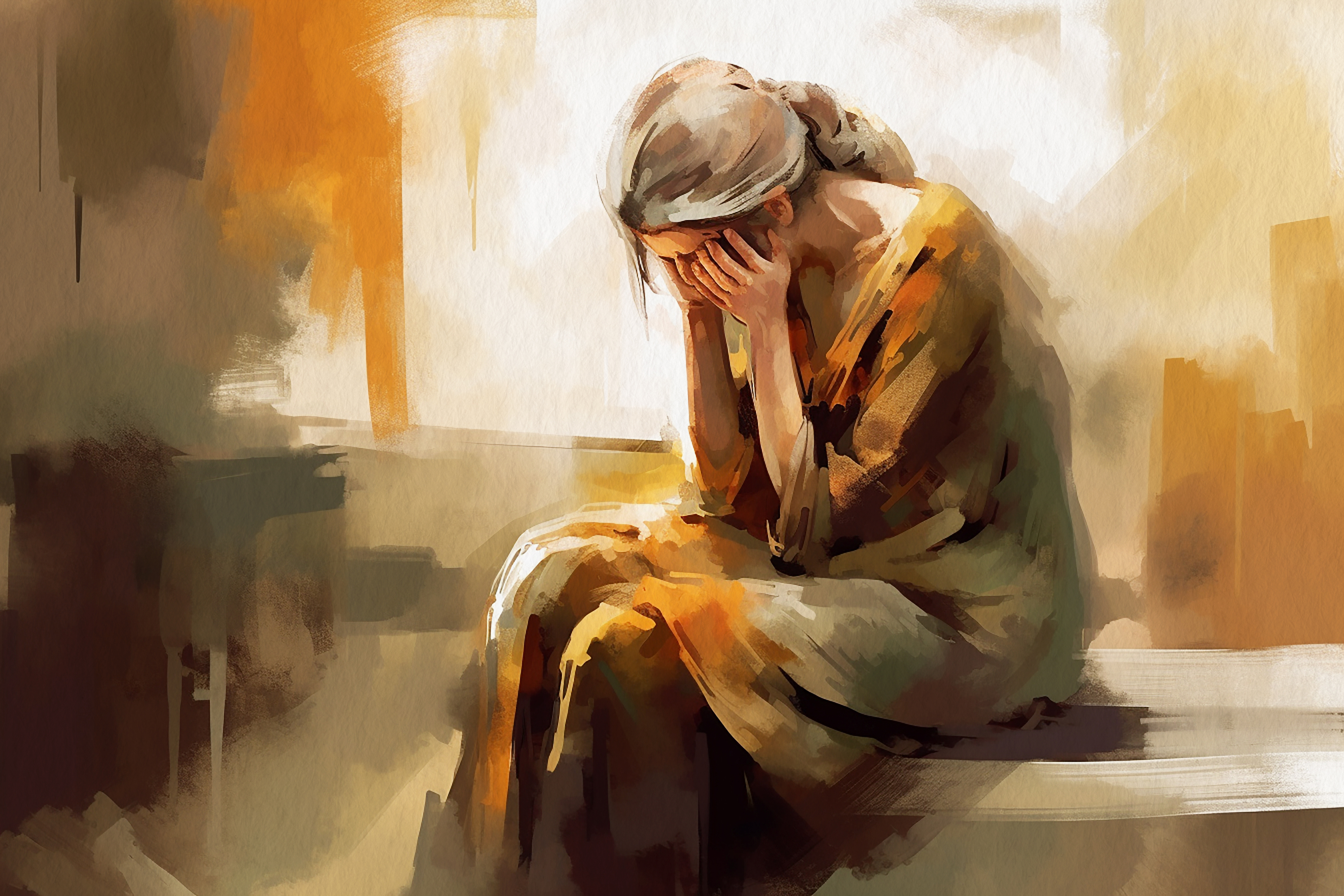
Thus says Adonai: “A voice is heard in Ramah—lamentation and bitter weeping—Rachel weeping for her children, refusing to be comforted for her children, because they are no more.” (Jeremiah 31:15, TLV)
          © VadiFuoco | Dreamstime.com

Today, Cheshvan 11th, is the yahrtzeit (remembrance of the day of one’s passing) of the matriarch Rachel. Whether or not Rachel actually passed on this date, the prophetic significance that Rachel represents is deeply tied into the themes of the eighth month, often dubbed the Month for Messiah. The eighth month is the only one that doesn’t have any Biblical or traditional holidays, but the new beginning significance of the number eight alludes to a future time when Messiah will inaugurate the third Temple. The first Temple was completed in the eighth month (1 Kings 6:38), but King Solomon waited almost an entire year later to dedicate it in the seventh month alongside the festival of Sukkot (1 Kings 8).

The Tabernacle and the Temple represent the indwelling Presence of Adonai, His people, and the Messiah – God tabernacling among, with, and in His people.[1] Jewish commentators glean this truth from Exodus 25:8,“And let them make a sanctuary for Me, that I may dwell in their midst. (LITV)” They see the eighth month as being reserved for the time of Messiah and His dedication of the third Temple. The exile will finally be over when Mashiach returns and restores all things (Acts 3:21). But what does any of this have to do with Rachel?

Joseph is arguably the most notable son of Jacob, as he was chosen to save the entire family (and future) of Israel, which prophetically figured the future salvation work of Yeshua. In fact, there numerous parallels between the lives of Joseph and Yeshua. Because of this, there is a common belief in Judaism that there is a Messiah ben (son of) Joseph and a Messiah ben David, the former coming as a suffering servant, and the latter as a conquering king. Christians have a similar understanding in the first and second coming of Messiah.

© Yafit Moshensky | Dreamstime.com

Rachel’s first born son Joseph was mockingly called the Ba’al HaChalomot, Master of Dreams, by his brothers. And due to their jealous animosity, Joseph became the first exile of Israel. This little nugget is important to remember. When Joseph was a young man, God gave him two dreams foretelling how in the future, he would rule over his brothers. In the first dream, Joseph and his brothers were symbolized by sheaves of wheat. When Joseph recounted the dream to his brothers, it ticked them off because they understood clearly what the dream meant. In his second dream, the sun, moon, and eleven stars bowed down to Joseph. Jacob understood that he was the sun, Rachel was the moon, and Joseph’s brothers were the stars. These dreams were part of the reason his brothers were envious of him. Soon afterwards, Jacob sent Joseph to check on his brothers while they were out shepherding sheep, and this is when they conspired at first to kill Joseph, but ended up putting him into a pit. Jacob, upon seeing the bloodied coat of Joseph that his brother’s used to deceive him, went into great mourning.

Jacob tore his clothing and put on sackcloth and mourned for his son many days. All his sons got up along with all his daughters to console him, but he refused to be comforted. He said, “For I will go down to Sheol to my son, mourning.” So his father kept weeping for him.” (Genesis 37:34-35, TLV)

Notice how the prophet Jeremiah sees Rachel doing the same thing, but not just for Joseph. She laments and weeps for his many descendants who had also been sent into exile.

Thus says Adonai: “A voice is heard in Ramah—lamentation and bitter weeping—Rachel weeping for her children, refusing to be comforted for her children, because they are no more.” (Jeremiah 31:15, TLV)

But there is a promise and exhortation that Adonai gives to Rachel.

Thus says Adonai: “Restrain your voice from weeping and your eyes from tears. For your work will be rewarded”—it is declaration of Adonai—“when they will return from the land of the enemy. So there is hope for your future”—it is declaration of Adonai—“when your children will return to their own territory.” (Jeremiah 31:16-17, TLV)

In Judaism, Cheshvan 11th has become a type of Jewish Mother’s Day. In a sense, all mother’s suffer pain and toil to birth and raise children. But, I find this Jewish Mother’s Day especially poignant, since there are so many grieving mothers in Israel due to the atrocious attacks of Hamas. Grace in Torah firmly stands with Israel and grieves with the many that have lost family and friends. I was in the Land on Simchat Torah when war broke out (more on that in Part II). I have a tiny inkling of what our Jewish brothers and sisters endure as they protect and fight for their inheritance. And whether Christians realize it or not, the Land IS one of the promises of the New Covenant, which goes back to the Covenant with Abraham.[2]

Mother Rachel’s Tears
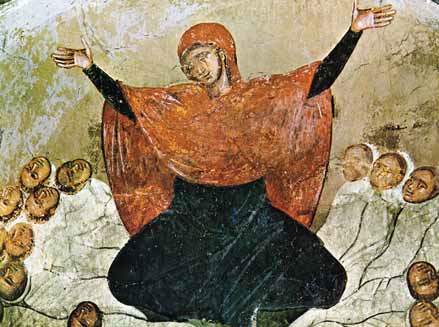
Macedonian Encyclopedia, MANU, 2009, p., Public domain, via Wikimedia Commons

Unlike the other matriarchs and patriarchs, Rachel was not buried in Hebron at Machpelah. She is separated or exiled from Hebron and Machpelah (Cave of the Couples) despite it not being far from where she died. Why? If Rachel was the wife Jacob had intended to marry from the beginning, and she was the one he loved the most, why would she be buried on the side of road and not in the family grave site? Does this seem unnatural to you? In Jewish tradition, caring for the dead is the highest form of chesed, lovingkindness, because a dead person has no capability of returning the favor or paying one back. Caring for their body is a completely selfless act. If Jacob loved her so much, we must ask why she was buried where she was.

Perhaps Jacob knew something that we don’t easily see. God certainly chose Rachel, even after her death, to symbolize his mourning and deep desire for His wayward children to return to Him. Maybe Adonai allowed Jacob to see a glimpse of this, or maybe through Jacob’s grief He ensured that Rachel’s burial would be different. Rachel experienced “hard labor” and died giving birth to the final son of Jacob, Benjamin, on the Way to Ephrath (fruitfulness) near Bethlehem, the House of Bread. She called him Ben-oni, Son of My Sorrows, and Jacob changed his name to Ben-yamim, Son of my Right Hand. When Israel was finally able to enter the Promised Land, it occurred in the territory of Benjamin, who was the only son of Israel born in the Land.

Ema Rachel was “separated by her burial.” Why was she not “gathered to her people”? One might conclude that her incident of hiding her father’s idols under her saddle and saying she was on her “moon” cycle earned her death and separation, even in burial. If that is the case, Adonai still chose her to prophetically represent His deep longing for His wayward children to come home – children who had forsaken Him for the idols of their neighbors. Through the mouth of Jeremiah, Adonai proclaimed:

“Set up for yourself roadmarks, place for yourself guideposts; direct your mind to the highway, the way by which you went. Return, O virgin of Israel, return to these your cities. How long will you go here and there, O faithless daughter? For the LORD has created a new thing in the earth—A woman will encompass a man.” (Jeremiah 31:21-22, NASB)

Jeremiah spoke to people who were about to experience the judgment of Adonai that would result in their exile. Rachel’s tomb marks the place where the Babylonians marched the captives from the Land. But it is also the path one must take upon returning home. Separation, then gathering, renewal, and new life.
© Bualong Sadsana | Dreamstime.com

If one counts from the first day of the year (Tishrei 1) or Rosh Hashanah to Cheshvan 11, it equals forty-one. Forty-one is also the numerical value of אם (Em), which means “mother.” In Jeremiah, Mother Rachel prophetically weeps for her children who are “no more.” We also read this account in the haftarah portion on the second day of Rosh Hashanah (Jeremiah 31:1-19).

“At that time,” declares the LORD, “I will be the God of all the families of Israel, and they shall be My people.” (Jeremiah 31:1, NASB)


With weeping they will come, and by supplication I will lead them; I will make them walk by streams of waters, on a straight path in which they will not stumble; for I am a father to Israel, and Ephraim is My firstborn.” (Jeremiah 31:9, NASB)

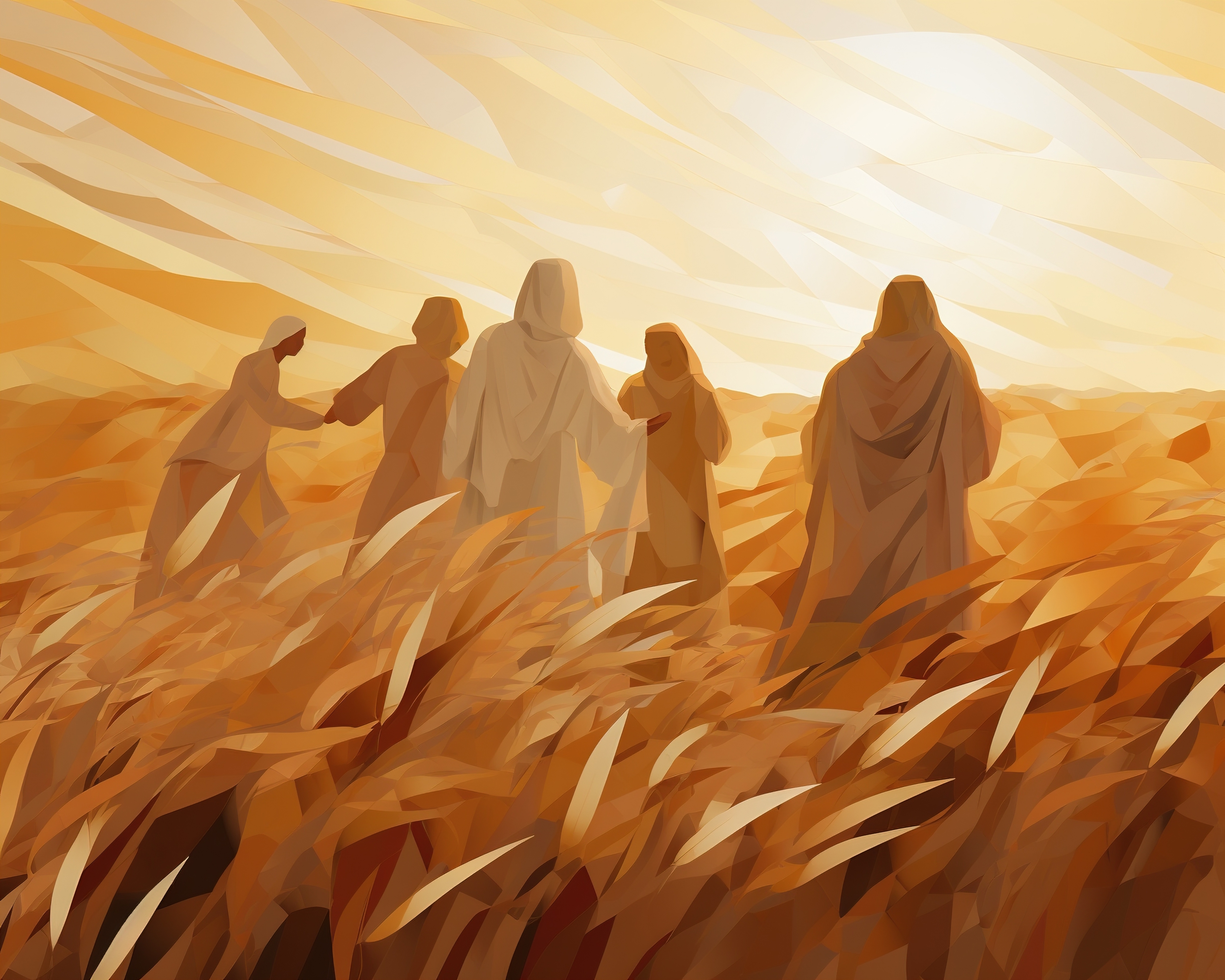
Weeping and mourning turning to laughter and rejoicing prophetically figures the restoration of all things. This is the theme of Jeremiah 31, which contains the prophecy of the new covenant. The Shabbat and festival Psalm read during the Birkat haMazon (Blessing After Meals) is Psalm 126. When you are full and satisfied (Dt. 8:10), remember that your work, toil, and pain will be rewarded. He is faithful. Returning exiles are “like dreamers,” who weep like mama Rachel, carrying their bags of seed. But they will return carrying their sheaves with them. They will rejoice in Simchat Torah. And the sheaves of Joseph’s dream will bow down to their Savior, but they won’t be alone. The first fruits guarantee that the whole field, the full harvest, is absolutely complete (Ezekiel 37:15-28, John 3:16, Romans 11).

Psalms 126:1-6 (NASB)

1 A Song of Ascents. When the LORD brought back the captive ones of Zion, we were like those who dream.

2 Then our mouth was filled with laughter and our tongue with joyful shouting; then they said among the nations, “The LORD has done great things for them.”

3 The LORD has done great things for us; we are glad.

4 Restore our captivity, O LORD, as the streams in the South.

5 Those who sow in tears shall reap with joyful shouting.

6 He who goes to and fro weeping, carrying his bag of seed, shall indeed come again with a shout of joy, bringing his sheaves with him.

The pattern of our complete redemption has been spoken from the Beginning. It will involve sorrow and trouble and hard birth pangs, but it will result with a celebration of the Son of the Right Hand, and great JOY.

Kever Rachel – Rachel’s Tomb
Dreamstime ID 277986163

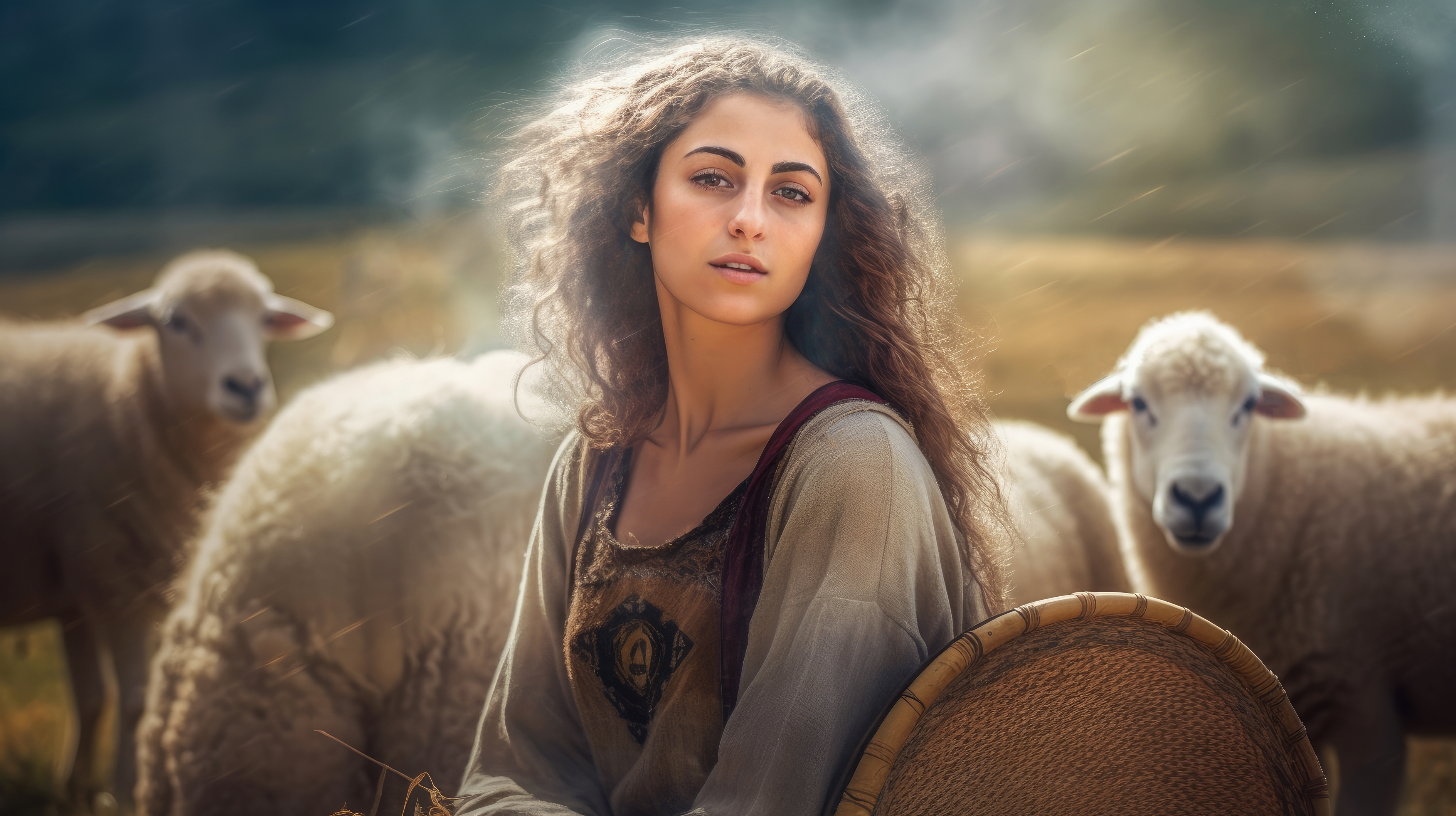
In 2018, I had the opportunity to visit Kever Rachel (Rachel’s Tomb) near Bethlehem. Rachel means a “ewe,” a sheep, and yet she was the FIRST woman shepherdess mentioned in the Bible. Shepherds guard, protect, lead, water, and feed the flock – something the resurrected Messiah said was expected from those that love Him (John 21).

Prophetically, Rachel symbolizes the Shekinah, the Divine Indwelling Presence[3], the Holy Spirit, Who, as Lady Wisdom, calls out to the wayward, lost, exiled, and bound children of Adonai. His desire is to release the prisoners, set the captives free, and bind up the broken hearted (Is. 61). And like a Mother Bird, He longs to gather them under His Wings. Rachel’s irregular burial “on the Way,” and her great pain, toil, and even death resulted with the last son, the Son of the Right Hand, who completed the House of Israel. This pattern points the Way back from the exile and to the restoration of all things (Acts 3:19-21).

Through the imagery of Rachel, God shows us labor pain, birth, death, wailing, mourning, and also great hope for the future. This is life in a nutshell. Rachel weeps, but she will be restored. Rather than being a symbol for death and separation, she pictures new life, repentance, reconciliation, and restoration. She is also connected to dreams and dreamers, the Bat Kol, Voice of God, the future, great joy, seeds growing into sheaves, laughter, prophecy, and Messiah. Most succinctly, she figures exile, redemption, and restoration. This story is told over and over through her life and in the lives of her children.

Rachel’s Tomb is considered the third most holy site in Israel. It once looked more like the first image in the photos below. Today, there is a winding paved road flanked by 50 foot concrete walls, dotted with IDF guard stations, that leads to the structure. These measures are in place to protect pilgrims from terror attacks from nearby Bethlehem, now an Arab city in the “West Bank.” The only indication that Rachel’s tomb looks anything like it did in the past, before all the security
measures were built, is the interior limestone floors, walls, and domed ceiling.

© K. Gallagher

The winding drive was depressing and the entrance looked more prison like than a “holy” space. As we approached the entrance, the oppression was thick and heavy. It wasn’t what I expected. As I walked through the door, my sunglasses broke and fell off my face. I caught them in my hand as I crossed the threshold. Later, I would find that to be the perfect metaphor for my experience. Sometimes, we must remove the artificial lenses we have placed over our eyes because it is dimming our vision and blocking “the light.”

When I looked around, I was disappointed that there was nothing overtly “spiritual” about the place. Adonai had built Rachel up so strongly in my heart that I expected her to (figuratively) meet me there. But alas, all I sensed was heaviness, like the concrete barriers that surrounded everything around us. The men and women were separated, as is normal in Orthodox Jewish spaces. Both sides had many there praying, some very loudly, with wails reminiscent of Rachel weeping for her children. I wondered how many were there because they had lost children due to terror attacks, war, or some other tragedy, or who were dealing with the pain of barrenness. I took some photos and then prayed through my disappointment. “Abba, please show me what is here. I want to see.”
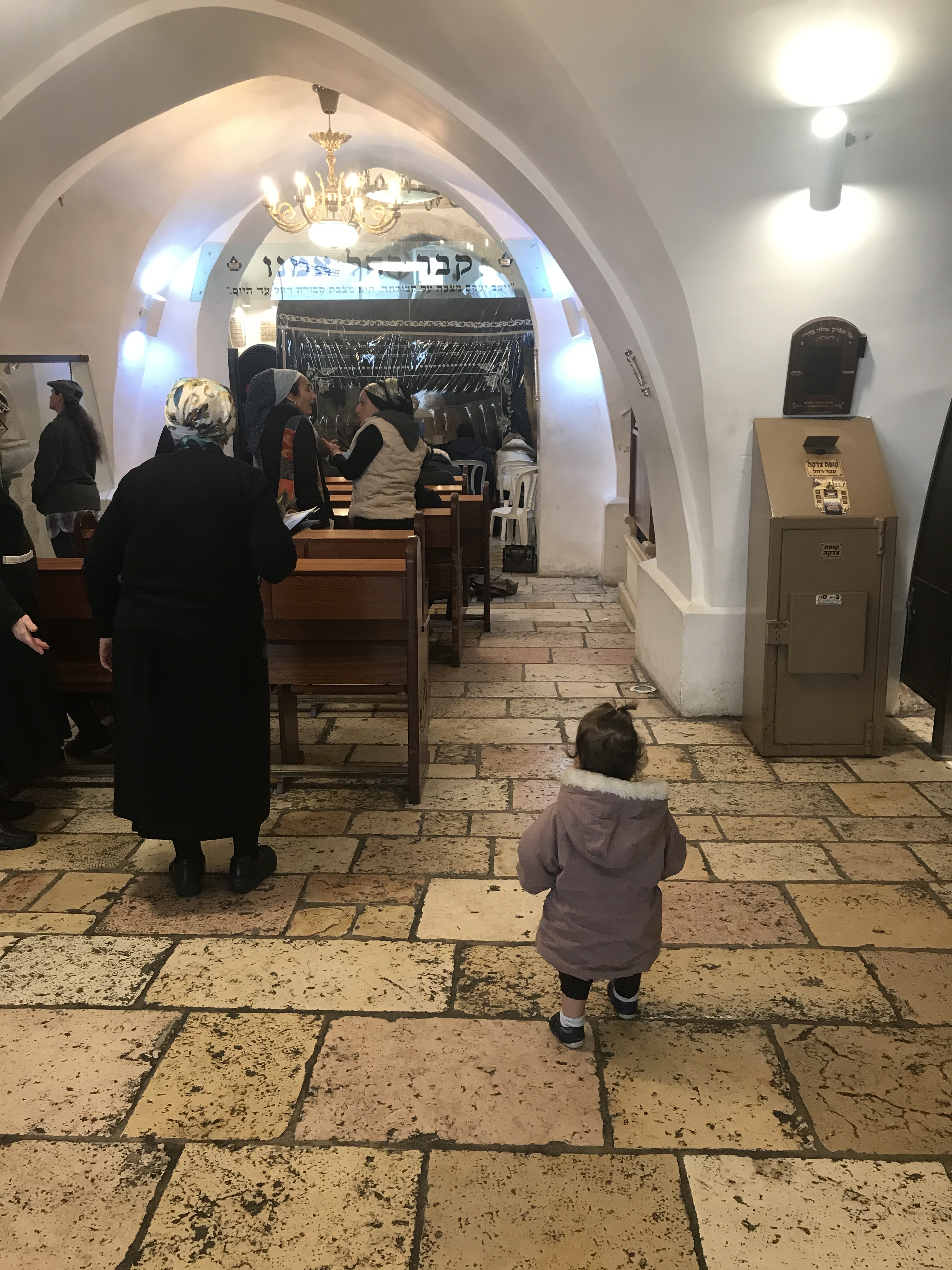
© K. Gallagher

As I opened my eyes after praying, I felt the Holy Spirit, and looked again. While in the natural everything was the same, I began to see the space with new eyes. The Holy Spirit had removed my natural lenses. The ancient limestone walls, shelves lined with prayer books, and the people remained. But, as I listened to the din of prayer by all those visiting, I noticed something that I failed to see before.

Suddenly, it was all very apparent. First, there were so many women! So many PREGNANT women! Large bellies full of life, and the laughter and cries of little children echoing against the golden limestone walls. Whispered prayers, chanted prayers, and even loud wailing pleas clouded the air and created an incense that I couldn’t smell with my natural senses. It all coalesced into a spirit-filled cacophony that I was ashamed that I couldn’t detect previously.

I scanned the room and noticed pews filled with old women, long past child rearing years, who sat there praying for their children, grandchildren, and great grandchildren. Their plain clothes, covered heads, and wrinkled faces were like the epitome of every storybook old woman I’ve ever read about. Generations were represented in that place, and they all knew what and WHO “Rachel” represented. But, I was just opening my eyes like one of the newborns.

One particular old lady sat in the back. My mentor slowly walked towards me at that point and said, “If you give her some shekels, she will bless you.” I have no idea how she knew this would be the case, but already in awe of seeing with new eyes, I did what she suggested. I carefully made my way to the old woman while riffling through my pocket for coins. I reached out to the old Jewess and handed her some shekels. She looked up at me, not with contempt, judgment, or confusion (I am obviously of gentile descent), but with the tenderness of a loving mother or grandmother. She gently grabbed my hand and gave me a blessing in Hebrew. Though I could only make out a few words, my spirit resonated with them and I knew I had received a great honor. Then to my surprise, that old Jewess kissed the back of my hand with the softest lips I’ve ever felt. It was as if ema Rachel had kissed me herself. I was undone.

Overwhelmed, I slowly walked away, choked up by the flood of feeling and images that raced through my mind. I whispered to Adonai, “I get it! I see!


Rachel is barren wombs who are now full of fruit.[4] She is idol worshipers turned and transformed into the image of Messiah.[5] She represents sacrifice and intercessory prayer. New life. Old life. Just LIFE. Cries, wails, despair and prayers, are exchanged for laughter and shouts of joy that echo throughout the centuries. Rachel died on the Way to Ephrat, fruitfulness. She is very near to the House of Bread – Bethlehem, the place the True Bread from Heaven was born. There is a reason she is not resting in Machpelah with the other patriarchs and matriarchs. She remains with her children in the exile, in their punishment and throughout their separation, calling loudly to them, crying for them to return.


Rachel exudes the love of our Father, whose holiness and righteousness requires justice; but like any good parent, hates to see us suffer all the same. And all the while, despite our treachery, unfaithfulness, and disrespect, His plan is to bring Israel back into His Bosom. And not just Israel, but the nations with them.[6] The prophets all proclaim this. The guilty will not go unpunished, and yet the chesed and mercy of Adonai abounds towards His people (Ex 34, Is. 54:8).

One night, before visiting Rachel’s Tomb, I had a very lucid dream about her. She was gripping metal birthing bars and was in the throes of labor. There were a few of us there who were like midwives and support. As her pains grew more intense, great drops of sweat ran down her face, thoroughly soaking her dark hair and clothing. As she screamed and pushed, her face would change. With one contraction she would be a woman, then the face of man, then the face of child. Many, many faces of all races and ages rippled to life as she travailed. Finally, she gave birth to a son, and he was half grown, the age of 7 or 8.

The dream was so real and graphic that I woke up in shock. It was later that I realized that Rachel is still giving birth, because that is what the Holy Spirit does, He grants us the spirit of repentance so we can accept Yeshua as our Messiah and Savior. Like Joseph’s multicolored tunic, they are from all walks of life and of all ages. He is the Savior of the whole world and He travails for us. And like her, we are meant to travail for the Kingdom too. Paul said, “My little children, for whom I am again in the pain of childbirth until Christ is formed in you,” (Galatians 4:19, NRSV)

© Bimarto Sasri | Dreamstime.com

The “faces” are those who have grown from seeds scattered in exile among the nations. Our Father’s Word comes to pass even in our punishment for disobedience.[7] The harvest is ready, sheaves are being bound (for the LORD), and they will all bow down to him, and every tongue will confess. Some see the bloodied tunic and assume Joseph is “no more,” that the wild beasts of the world have torn him to pieces. They refuse to be comforted like Jacob and Rachel. They are wrong. He lives, even in Egypt, a place of exile.

If you want to visit Rachel, know that the Way is narrow. It’s a tight place. A protected, restricted, and guarded path. It’s not easy to get there. Yet, Her birth pangs are steadily coming. Contraction after contraction. Wave after wave. Great streams of sweat and tears mar her face. But her work WILL be rewarded! And so will yours, son or daughter of Rachel!

In 2016, before my first trip to Israel,  I “just so happened” to receive the following audio teaching from The Land of Israel (more about them and Arugot Farm in Part II). When Rabbi Katz sang the song that returning exiles, (Jews making Aliyah), are taught, I ugly cried, but it was a cry of joy and wonderment. I hope you will take the time to listen to this short message.

Can you hear Rachel calling for you to come home? Do you have ears to hear? She’s not in Hebron. She is not in Machpelah. She is on the Way waiting for you… Keep your eyes from weeping. Ask for new lenses. Adonai will provide them, even in the gloom and darkness of judgment and war.

Part II

PRAYER

Join me in prayer for Israel, Jerusalem, and all the men, women, and children who are standing firm set on protecting their inheritance from Adonai. For all those lost in the darkness of exile, bondage, captivity, spiritual darkness, and confusion. For all of our children, both physical and spiritual, and for prodigals to return home. Pray for blind eyes to be pierced by the light of Messiah, the suffering Servant, like Joseph, Who gave everything, even His life for the sheep. For all those entrenched in idol worship, like Laban, and the ancient House of Israel (Ephraim). Pray for our enemies near and far who are entrapped by fear and strong delusion making them sell themselves and their children to corrupt governments believing they are free when they are shackled to false ideologies. Pray for the lives of the unborn and all babies that are destroyed to satisfy the desires of greed, selfishness, hatred, and fear for the future. Pray for those who are sick and suffering, in pain, or who are isolated, estranged, or rejected.

May Adonai heal our land and restore our captivity. May He unify us in His love. May we cry so loudly that the Egyptians hear it when Joseph reveals himself and reunites the family of God.

For all these we pray. We wail and weep and cry out to the Most High, and He hears our prayers.


[1] Psalm 27:4, John 2:21, Romans 8:9, 1 Corinthians 3:16-17; 6:19-20, 2 Corinthians 6:16, Ephesians 2:20-22, Revelation 21-22.

[2] Genesis 12:1-9; 15:1-21, Jeremiah 31:31-40, Ezekiel 11:16-21; 36:24-38.

[3] While the word Shekinah does not appear in the Bible, the concept of the (in)Dwelling Presence of God certainly is. The verbal root of shekinah is sha-khan (H7931) meaning to abide, dwell, tabernacle, and lodge. It has always been the desire and will of Adonai to dwell with and in His people. Yeshua told His followers “to abide” in Him, the True Vine (John 15). Shakhan is also the root of the word Tabernacle, Miskhan, the place where the Presence of Adonai dwelled among His people in the wilderness, and later in the Temple. “And let them make a sanctuary for Me, that I may dwell in their midst.” (Exodus 25:8, LITV) Like Christians, Jews understand that the Tabernacle and Temple mystically figures God’s people (1 Cor. 3:16-17). What dwells in the Tabernacle or Temple? The Spirit of Adonai. In Hebrew, Ruach (Spirit) is a feminine word. When personified, the Spirit is expressed in the feminine form. A Biblical example is Woman/Lady Wisdom in the Book of Proverbs, Who was with God at the Creation. Shekinah is a feminine noun meaning, the “Abiding/Dwelling One.” Dr. Ben Gigi, a Jewish Believer and Hebrew teacher, explains Shekinah here: https://hebrew.jerusalemprayerteam.org/shekinah-divine-presence/

[4] “Shout for joy, O barren one, you who have borne no child; break forth into joyful shouting and cry aloud, you who have not travailed; for the sons of the desolate one will be more numerous than the sons of the married woman,” says the LORD. “Enlarge the place of your tent; stretch out the curtains of your dwellings, spare not; lengthen your cords and strengthen your pegs. For you will spread abroad to the right and to the left. And your descendants will possess nations and will resettle the desolate cities.” (Isaiah 54:1-3, NASB)

[5] “Or do you not know that the unrighteous will not inherit the kingdom of God? Do not be deceived; neither fornicators, nor idolaters, nor adulterers, nor effeminate, nor homosexuals, nor thieves, nor the covetous, nor drunkards, nor revilers, nor swindlers, will inherit the kingdom of God. Such were some of you; but you were washed, but you were sanctified, but you were justified in the name of the Lord Jesus Christ and in the Spirit of our God.” (1 Corinthians 6:9-11, NASB)

[6] Genesis 17:6,16; 35:10-12 Psalm 67; 86:9, Isaiah 2:2-5; 11:10; 19:16-25; 49:6; 60:1-22, Jeremiah 16:19-21, Micah 4:1-5, Zechariah 8:20-23, Romans 11:25-36, Ephesians 3:1-13, Revelation 5:9; 14:6-7, etc.

[7] Isaiah 55:9-11 (NASB) “For as the heavens are higher than the earth, So are My ways higher than your ways And My thoughts than your thoughts.

10 “For as the rain and the snow come down from heaven, And do not return there without watering the earth And making it bear and sprout, And furnishing seed to the sower and bread to the eater;

11 So will My word be which goes forth from My mouth; It will not return to Me empty, Without accomplishing what I desire, And without succeeding in the matter for which I sent it.


Categories: Biblical Symbols, Messianic Issues, new moon, Women | Tags: , , , , , , , , , , , , | 4 Comments

Chodesh Av 2018

I wanted to get this posted at the beginning of the month of Av, but I’ve been too busy to edit! Every year as I am intentional about celebrating the Moonthly Cycle, Abba has me focus on a particular area, a lot of which is not in my book on celebrating the New Moon. I plan to share my monthly notes from our local gatherings with you, but changing my notes to a blog post that makes sense to a reader requires quite a bit of editing. Better late than never! 

          © Kalina Vova | Dreamstime.com

Chodesh Av

  • Month: Five (11th month on civil calendar)
  • Tribe: Shimon
  • Sense: Hearing
  • Seasons/Feasts: Three Weeks (Dire Straits – from Tammuz 17 to Av 9), Transition by Tu B’Av (Av 15), Fast on Av 9.
  • Theme: From destruction and mourning to comfort and joy, especially in relation to the House of Adonai.

Month five has correlations with day five of creation. That is the day that the birds and fish were created to swim and fly through the wind and water currents of the earth. These are also those that rapidly spread Seed from continent to continent. Seeds can be likened to words or even THE Word. Words can destroy or words can bring Good News, a comfort to the world. In the following offering, see if you can pick out the themes of day five of creation.

Months four and five are connected by the Three Weeks. The sense of Tammuz was sight/seeing/vision, and the sense of Av is hearing/listening. Let’s consider the differences. The sense of seeing is more akin to having spiritual vision or being able to “see” the truth and promises of God despite what one’s circumstances and natural vision suggests. (Ex. The evil report of the ten spies. Joshua and Caleb saw the same thing as the other spies; and yet, Caleb declared, “Let us go up at once and take possession, for we are well able to overcome it.”   [Num. 13:30, Jos. 14:6-15])

This implies that we will face spiritual forces, like giants that have fortified cities, which are people and circumstances that are much stronger than we are during Av (beginning in Tammuz). And yet, the lesson to be learned is to choose to believe the promises of YHWH despite what one sees or hears in the natural. The One in you is stronger than any enemy or circumstance. Fear not.

In light of that, I have a few questions for you to ponder from last month.

  1. How many of you were tested in the sense of “seeing” during the month of Tammuz?
  2. What giant did you face?
  3. What enemy within a fortified (strong) city sought to discourage you?
  4. Based on the Torah portions of Tammuz, did you struggle with proper or improper authorities?

From Seeing to Hearing

Gen. 29:33 (NASB) Then she conceived again and bore a son and said, “Because the LORD has heard that I am unloved, He has therefore given me this son also.” So she named him Simeon.

Shimon means to hear, shema. “We will hear and we will do.” The irony of the sense of seeing coming before hearing in the months is that we cannot see without hearing first. Even a baby in the womb hears before he sees. Biblical or Spiritual vision is the ability to see what is heard: the WORD of YHWH.

       © Nipa74 | Dreamstime.com

What voice have you been listening to? Protect your ears! When things “look” bad in the natural do you hear a voice that says that you deserve calamity? That says, you are worthless, that you are not good enough, that you are UNLOVED by your Husband, like Leah?

If so, it’s time to give birth to Shimon. Adonai hears you, you must hear Adonai. In the Torah, Simeon and Levi act rashly with their swords on account of their sister Dinah. This cost each of these tribes a true portion or inheritance in the Land. They would be scattered in Israel. (Gen. 49) Thus, patience and waiting for the authority over us to give instruction is a test in one’s “hearing.” Just because you know something, doesn’t mean you have the authority to be the judge and executioner. A much better example of a godly Shimon is found when baby Yeshua is presented in the Temple or House of Adonai:

Luke 2:25-35 (NASB) And there was a man in Jerusalem whose name was Simeon; and this man was righteous and devout, looking for the consolation (comfort) of Israel; and the Holy Spirit was upon him.  26 And it had been revealed to himby the Holy Spirit that he would not see death before he had seen the Lord’s Christ.  27  And he came in the Spirit into the temple; and when the parents brought in the child Jesus, to carry out for Him the custom of the Law,  28  then he took Him into his arms, and blessed God, and said,  29  “Now Lord, You are releasing Your bond-servant to depart in peace, According to Your word;  30  For my eyes have seen Your salvation,  31  Which You have prepared in the presence of all peoples,  32  A LIGHT OF REVELATION TO THE GENTILES, And the glory of Your people Israel.”  33 And His father and mother were amazed at the things which were being said about Him.  34 And Simeon blessed them and said to Mary His mother, “Behold, this Child is appointed for the fall and rise of many in Israel, and for a sign to be opposed—  35 and a sword will pierce even your own soul—to the end that thoughts from many hearts may be revealed.”

In the above passage, there is a righteous man named Simeon, one who hears. Simeon believed what he HEARD. Go back and look at the bolded and underlined words and phrases above. Do you “see” the words associated with hearing and seeing? Shimon was LOOKING for the consolation of Israel, that is their comfort, which ties perfectly into the themes of the Three Weeks, and the consolation of Tu B’Av. By following the moonthly cycle, we practice and prepare for this flow of time (that is, was, and is to come) in the seasons each year. Consider these verses:

Jer. 31:9-14 (NASB) “With weeping they will come, and by supplication I will lead them; I will make them walk by streams of waters, on a straight path in which they will not stumble; For I am a father to Israel, And Ephraim is My firstborn.”  10 Hear the word of the LORD, O nations, and declare in the coastlands afar off, and say, “He who scattered Israel will gather him and keep him as a shepherd keeps his flock.” 11 For the LORD has ransomed Jacob and redeemed him from the hand of him who was stronger than he.  12 “They will come and shout for joy on the height of Zion, and they will be radiant over the bounty of the LORD—Over the grain and the new wine and the oil, and over the young of the flock and the herd; And their life will be like a watered garden, and they will never languish again. 13 “Then the virgin will rejoice in the dance, And the young men and the old, together, For I will turn their mourning into joy and will comfort them and give them joy for their sorrow.  14 “I will fill the soul of the priests with abundance, And My people will be satisfied with My goodness,” declares the LORD.

 From weeping and mourning to consolation and joy. That is the connection between Tammuz and Av. We should expect our own walk each year to reflect the same. Simeon’s reward for believing and obeying – true HEARING-  the Word of God was that he could SEE the Comforter, Yeshua, the Consolation of Israel. And even then, the revelation was not complete as we are still awaiting His return and the fullness of the passage above. Until then, we practice. We remember. We see, and we hear.

Destruction of the House

Closely related to the above is remembering the destruction of the Temple, mourning its loss, and believing for its renewal. Thus, I offer a little review. According to tradition, the first Temple was destroyed because of idolatry, and the second Temple was destroyed on account of baseless hatred among brothers. Essentially, this is God’s people breaking the two greatest commandments of loving Him and our neighbor as ourselves. Not doing so, destroys His House and ours!

            © Liorpt | Dreamstime.com

Since Tammuz 17th marks the beginning of the Three Weeks leading up Tisha B’Av (9thof Av), the date that both Temples were destroyed, we should expect to have tests and trials in this area, at this season.

What is the “House” or “Temple”?

  • The Body of Messiah
  • Our physical bodies
  • The Temple Mount/Zion/place of physical Temple
  • Your family
  • Your Assembly

Were any of you tested (or still being tested) in one of these areas? Have you been in a battle to keep these things from being destroyed? What is the purpose in this testing?

The Hidden Goodness in Av

When we see war, calamity, destruction, and unfavorable circumstances with people or life in general, we have a choice to make. If God is truly for us, and we really believe that, then we must adjust our vision, outlook, and attitude to align with the Good News that we have HEARD.

Ps. 119:91-92 (NASB) They stand this day according to Your ordinances, For all things are Your servants.  92 If Your law had not been my delight, Then I would have perished in my affliction.

 Mat. 19:26 (NASB) And looking at them Jesus said to them, “With people this is impossible, but with God all things are possible.”

 Eph. 1:11 (NASB) also we have obtained an inheritance, having been predestined according to His purpose who works all things after the counsel of His will

Do we really believe that ALL things are in God’s hands and control? That even the bad and hard things serve His purposes and are meant for our good, BECAUSE He loves us? There is a story in the Mishnah about a certain Rabbi called Nahum Gamzu that can help one adjust their attitude. I’ve written in other places about the month of Av being referred to as Menachem Av, or Comforting Father. The rabbi in the story below shares this name, Nachum, comforter. It is meant to not only redirect one’s vision or perception of life’s circumstances, but bring one consolation or comfort.

The Gemara inquires: And why did they call him Naḥum of Gam Zu? The reason is that with regard to any matter that occurred to him, he would say: This, too, is for the good [gam zu letova]. Once, the Jews wished to send a gift [doron] to the house of the emperor. They said: Who should go and present this gift? Let Naḥum of Gam Zu go, as he is accustomed to miracles. They sent with him a chest [sifta] full of jewels and pearls, and he went and spent the night in a certain inn. During the night, these residents of the inn arose and took all of the precious jewels and pearls from the chest, and filled it with earth. The next day, when he saw what had happened, Naḥum of Gam Zu said: This, too, is for the good.

When he arrived there, at the ruler’s palace, they opened the chest and saw that it was filled with earth. The king wished to put all the Jewish emissaries to death. He said: The Jews are mocking me. Naḥum of Gam Zu said: This too is for the good. Elijah the Prophet came and appeared before the ruler as one of his ministers. He said to the ruler: Perhaps this earth is from the earth of their father Abraham. As when he threw earth, it turned into swords, and when he threw stubble, it turned into arrows, as it is written in a prophecy that the Sages interpreted this verse as a reference to Abraham: “His sword makes them as the dust, his bow as the driven stubble” (Isaiah 41:2).

There was one province that the Romans were unable to conquer. They took some of this earth, tested it by throwing it at their enemies, and conquered that province. When the ruler saw that this earth indeed had miraculous powers, his servants entered his treasury and filled Naḥum of Gam Zu’s chest with precious jewels and pearls and sent him off with great honor.

When Naḥum of Gam Zu came to spend the night at that same inn, the residents said to him: What did you bring with you to the emperor that he bestowed upon you such great honor? He said to them: That which I took from here, I brought there. When they heard this, the residents of the inn thought that the soil upon which their house stood had miraculous powers. They tore down their inn and brought the soil underneath to the king’s palace. They said to him: That earth that was brought here was from our property. The miracle had been performed only in the merit of Naḥum of Gam Zu. The emperor tested the inn’s soil in battle, and it was not found to have miraculous powers, and he had these residents of the inn put to death. – Taanit 21a

 If we want to transition to the comfort of Av, or find the joy that comes after mourning, we must be able to “see” the world with eyes like Nachum Gamzu. Can we really say, “This, too, is for the best”? In every situation? Even the bad ones?

We currently see only dimly. We must mourn destruction and exile (both physically and spiritually). But we must also try to “hear” the goodness that is hidden in the bitterness of any destruction we encounter in this life and KNOW that Mashiach will come to comfort us, One Day showing us how “this too was really for the best.”

Paul mirrors this sentiment in Second Corinthians. Tu B’Av or the fifteen of Av just passed a few days ago on the calendar. I hope that you are beginning to see the Light after a period of darkness and heavy trials. Be encouraged dear one, in ALL things, rejoice, O daughter of Zion, for your King is Coming to you!

And in ALL things, be able to say, “Gam zu l’tovah!” (This, too, is for the good!)


            © Samrat35 | Dreamstime.com

2Co 4:7-18 (NASB) But we have this treasure in earthen vessels, so that the surpassing greatness of the power will be of God and not from ourselves; 8 we are afflicted in every way, but not crushed; perplexed, but not despairing; 9 persecuted, but not forsaken; struck down, but not destroyed; 10 always carrying about in the body the dying of Jesus, so that the life of Jesus also may be manifested in our body.  11 For we who live are constantly being delivered over to death for Jesus’ sake, so that the life of Jesus also may be manifested in our mortal flesh.  12 So death works in us, but life in you.  13 But having the same spirit of faith, according to what is written, “I BELIEVED, THEREFORE I SPOKE,” we also believe; therefore, we also speak, 14 knowing that He who raised the Lord Jesus will raise us also with Jesus and will present us with you.  15 For all things are for your sakes, so that the grace which is spreading to more and more people may cause the giving of thanks to abound to the glory of God.  16 Therefore we do not lose heart, but though our outer man is decaying, yet our inner man is being renewed day by day.  17 For momentary, light affliction is producing for us an eternal weight of glory far beyond all comparison, 18 while we look not at the things which are seen, but at the things which are not seen; for the things which are seen are temporal, but the things which are not seen are eternal.


*** By the way, those of you that decided to share your journal of the months with me, please feel free to email me at gracentorah@gmail.com with your monthly results. (I will not make you or your notes public.) Please do not include personal names or organizations when describing trials, issues, or circumstances. Thank you!


Categories: Moedim, new moon | Tags: , , , , , , , | 3 Comments

A Woman Will Encompass (Eclipse) a Man

“Set up for yourself roadmarks, Place for yourself guideposts; Direct your mind to the highway, The way by which you went. Return, O virgin of Israel, Return to these your cities. “How long will you go here and there, O faithless daughter? For the LORD has created a new thing in the earth—A woman will encompass a man.” (Jer. 31:21-22 NASB)

 Today, like many other Americans, I watched the moon eclipse the sun in a stunning show of light and darkness. Our special glasses enabled us to watch the sun mimic the moon’s monthly phases in a matter of hours– waxing and waning, or in this case, waning and then waxing.

In the hour leading up to the eclipse as the light decreased upon the land, we all felt strange — like we were in a dream. The air felt different and the temperature began to noticeably drop. There was an otherworldly stillness even in the wind.[1] Since we never experience the sun’s light in this fashion, I can understand why ancient people considered a total solar eclipse to be a bad omen. Creation itself was confused as birds went to roost and crickets began to chirp. Even the fast paced to and fro of traffic stilled as drivers parked to look up.

© Chris Rogers

When the eclipse reached totality, the spectacular imagery felt at once awesome and eerie. There is something at the core of earth beings that senses the “wrongness” of darkness when it should be light. The ethereal beauty that the natural eye absorbs seems contrary to the subliminal implications that this heavenly sign might suggest. The change in the atmosphere occurred on both a physical and spiritual level.

The masses that gathered across the nation to view this stellar event were in one accord – all looking up. I wonder how many heard the wordless speech of the heavens?

To the Chief Musician. A Psalm of David. The heavens declare the glory of God; And the firmament shows His handiwork. Day unto day utters speech, And night unto night reveals knowledge. There is no speech nor language Where their voice is not heard. Their line has gone out through all the earth, And their words to the end of the world. In them He has set a tabernacle for the sun, Which is like a bridegroom coming out of his chamber, And rejoices like a strong man to run its race. Its rising is from one end of heaven, And its circuit to the other end; And there is nothing hidden from its heat. (Ps. 19:1-6 NKJV)

David compares the sun to a bridegroom coming out joyful and strong from his wedding canopy. Nothing is hid from his/its heat. Today, the heat was abated for a short while by the moon. In Joseph’s dream of the sun, moon, and stars, his mother Rachel is figured as the moon.[2] We could say that Rachel eclipsed Jacob or a woman encompassed a man. In this way, the moon is a picture of the bride. In Psalm 19, David continues by comparing the glory of the heavenly bodies to the Torah. Hopefully, we are ones that have His Law written on our hearts.

The law of the LORD is perfect, converting the soul; The testimony of the LORD is sure, making wise the simple; The statutes of the LORD are right, rejoicing the heart; The commandment of the LORD is pure, enlightening the eyes; The fear of the LORD is clean, enduring forever; The judgments of the LORD are true and righteous altogether. More to be desired are they than gold, Yea, than much fine gold; Sweeter also than honey and the honeycomb. Moreover by them Your servant is warned, And in keeping them there is great reward. Who can understand his errors? Cleanse me from secret faults. Keep back Your servant also from presumptuous sins; Let them not have dominion over me. Then I shall be blameless, And I shall be innocent of great transgression. Let the words of my mouth and the meditation of my heart Be acceptable in Your sight, O LORD, my strength and my Redeemer. (Ps. 19:7-17 NKJV)

I pray that all the many faces that turned upward to view God’s glorious handiwork will learn to detect their errors and their hidden faults as David mentioned. Only the perfect law of liberty can reveal such things. The eternal Gospel is always being proclaimed.[3] The Torah is a Light.[4] That flaming ball of fire in the sky has a message, perhaps more than one if you’re listening. Today, it’s brightness was decreased enough that one could look up and see what is normally hidden. What did you see?

Was it a warning or a marker? Yes, but I won’t take my speculations past David’s remarks. The heavens declare the glory of God. I certainly saw and felt it today. I even considered that the awesomeness was only an inkling of what was experienced at the Revelation at Mt. Sinai or the darkened sky at Messiah’s last breath or the one accord outpouring of the Ruach Hakodesh in Acts 2 on Shavuot or what will be on the Day of the LORD. There is one thing we can and should all agree on – Abba is always pleading with us to RETURN. Repent. Do the works from the first.

“Set up for yourself roadmarks, Place for yourself guideposts; Direct your mind to the highway, The way by which you went. Return, O virgin of Israel, Return to these your cities. “How long will you go here and there, O faithless daughter? For the LORD has created a new thing in the earth—A woman will encompass a man.” (Jer. 31:21-22 NASB)

The sky today was a road mark and a guidepost for those within its viewing range. Jeremiah 31 is a prophecy about the return of the exiles, the restoration of our captivity. We go back the same way we went out. Return to me says Abba, and He will show you a woman encompassing a man!

The renewed thing (chadash) or a woman encompassing a man is bridal, covenantal language. The woman encircles her groom seven times in the fullness of the Holy Spirit[5] to create a new House and to tear down any walls (like Jericho) that may remain between them. The woman surrounds the man with (spiritual) protection as the gatekeeper of their home.

© Chris Rogers

Like the moon, she is rarely the visible one in their union (echad), but there is one day that she is the star for all to see — her wedding day! Though it’s a modern custom in the U.S., I couldn’t help but to be googly eyed at the grandeur of the “diamond ring” effect of the eclipse as all the figurative meanings of the sun and moon as man and woman played in the back of my mind.

Abba desires a chaste bride, and what an adornment He has for her! So rather than doom and gloom, I’d like you to consider LIFE – abundant LIFE tonight as we embark on the new moon (month) of Elul after a stunning display in the heavens. Ani l’dodi v’dodi li. I am to my beloved and He is to me.[6] The Bridegroom and His bride. That’s what I saw in the sky today.

Though the Season of Teshuvah (repentance, return) starts tonight, it is not all weeping and wailing. YHWH told Rachel in the same Jeremiah passage:

Thus says the LORD, “Restrain your voice from weeping And your eyes from tears; For your work will be rewarded,” declares the LORD, “And they will return from the land of the enemy. “There is hope for your future,” declares the LORD, “And your children will return to their own territory. (Jer. 31:16-17)

There is a hope for your future. Though we return weeping, carrying our bag of seed, we WILL shout for joy as we bring in sheaves.[7] Our tears for family, friends, and the nations have a purpose. Like the Shekinah and Rachel, we cry for the destruction of the House and the many many children that Abba longs to come “home.” He’s always waiting, always calling. Not one is beyond His reach. He labors greatly for each and every one of them.

In the eclipse today, I saw wonder, beauty, and a future. At its zenith, I looked at my husband and said, “A woman just encompassed a man and everyone was watching.” The moon is the light in the sky for those in darkness. As she made her way between the sun and earth today, many were confused and bewildered. I saw a glorious union, the House or tent of the two made into one flesh, a glimpse of what is to come. The daughter of Laban (levanah – moon), the moon to Jacob’s sun, was seen and heard today. Can you hear her calling? Do you listen to her cries? She’s pleading for you to come home. The reunion will be glorious. The whole world will stand still and look up. May we eclipse to reveal, not to conceal.

As you blow the shofar throughout Elul, sounding the alarm, remember that even in the midst of judgment the heart of YHWH is always on reconciliation. He is gracious and compassionate. Are we? He is slow to anger. Are you? He abounds in lovingkindness and is relenting of evil. Are His people? (Darkness, gloom, the sun and moon turning to darkness, the Bridegroom and the Bride, blowing the shofar… it’s all in Joel 2. Consider reading it this Elul.)

Don’t proclaim judgment and doom and gloom without also shouting for joy about forgiveness, love, grace, and compassion. The world needs a sign from the moon. As the reflector’s of Abba’s glorious Light and the stars/seeds of Abraham, we are the only light that a dark world can see. Are we occulting His Light or are we inviting them to the feast (wedding supper)?[8] Rachel refuses to be comforted. She pleads for each one. It is the season. Send out the invitations. The Spirit and the Bride say, “Come.”


[1] “Solar eclipses don’t just turn the lights out – they also make the wind slow down and change direction.” —  http://earthsky.org/earth/solar-eclipses-have-an-effect-on-wind

[2] You could argue that the moon was Leah since she was alive and Rachel was dead at this point, but later it is Rachel that is portrayed as weeping for her children in Jeremiah 31. Besides, both were brides of Jacob and could signify the same thing in this article.

[3] And I saw another angel flying in midheaven, having an eternal gospel to preach to those who live on the earth, and to every nation and tribe and tongue and people; and he said with a loud voice, “Fear God, and give Him glory, because the hour of His judgment has come; worship Him who made the heaven and the earth and sea and springs of waters.” (Rev. 14:6-7)

[4] Is. 8:20

[5] The seven Spirits of God (Is. 11:2) are reflected even in the time duration of a total solar eclipse, with the maximum length being 7.5 minutes!  https://eclipse2017.nasa.gov/how-long-does-longest-possible-total-solar-eclipse-last

[6] Elul is said to be an acronym of this phrase from Song of Songs 6:3.

[7] Psalm 126

[8] Occult in its verb form means to hide, conceal, cover over. It is synonymous with eclipse. One of the astronomical words for an eclipse is an occultation.

Categories: Biblical Symbols, Moedim, new moon, Women | Tags: , , , , , , , , , , , , , , | 16 Comments

Blog at WordPress.com.