Posts Tagged With: Rosh HaShanah

Awake, O’ Sleeper!


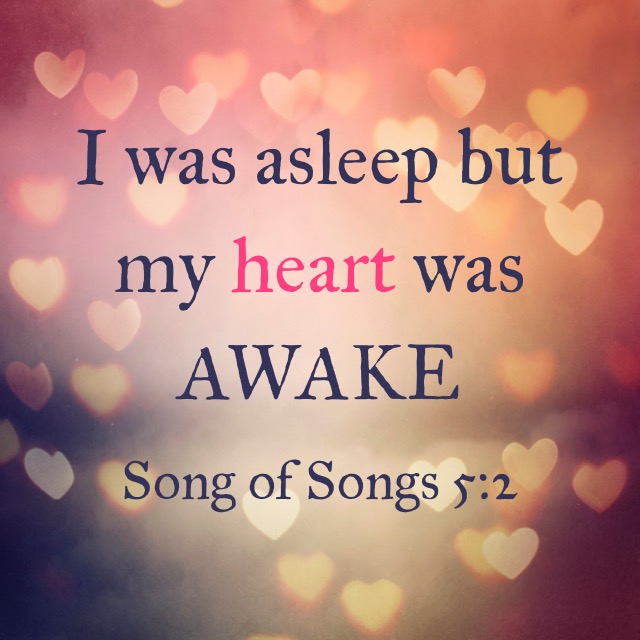
Song of Songs 5:2 (NASB) “I was asleep but my heart was awake. A voice! My beloved was knocking: ‘Open to me, my sister, my darling, My dove, my perfect one! For my head is drenched with dew, My locks with the damp of the night.’

One of the themes of Elul, especially leading up to Rosh Hashanah or Yom Teruah, is being aroused from sleep, a stupor, or mystically, from the grave. Yom Teruah, often dubbed the Feast of Trumpets, literally means “the day of the awakening blast.” While the ultimate manifestation of arising from “sleep” is bodily resurrection, other figurative or spiritual applications are equally valuable to our walk with Messiah.

I was blessed to have recently joined the ladies of “The Hidden Voice of Hadassah” on Messianic Lamb Radio. (Listen here.) AviGayle O’Hare mentioned a podcast she had made the previous week on Jonah. This intrigued me as Jonah is the haftarah on Yom Kippur, the end of the forty days of teshuvah. (You can listen here by clicking the title “You Can Run, But You Can’t Hide.”)

Sometimes, hearing the Word is different than reading the Word. When AviGayle read the words of Jonah chapter one, a particular section captured my attention. (See the bolded text below.)

Jonah 1:3-6 (NASB) But Jonah rose up to flee to Tarshish from the presence of the LORD. So he went down to Joppa, found a ship which was going to Tarshish, paid the fare and went down into it to go with them to Tarshish from the presence of the LORD. 4 The LORD hurled a great wind on the sea and there was a great storm on the sea so that the ship was about to break up. 5 Then the sailors became afraid and every man cried to his god, and they threw the cargo which was in the ship into the sea to lighten it for them. But Jonah had gone below into the hold of the ship, lain down and fallen sound asleep.6 So the captain approached him and said, “How is it that you are sleeping? Get up, call on your god.Perhaps your god will be concerned about us so that we will not perish.”

© Andreykuzmin | Dreamstime.com

When Jonah flees the commandment or Word of YHWH to go to Nineveh, he boards a ship headed to Tarshish. Because of his disobedience, Adonai caused a storm with great winds to threaten the ship and its occupants. Despite this dire circumstance, Jonah falls into a “sound sleep” below deck.

Have you ever been on a ship at sea during a storm? I’ve been on a cruise ship that avoided the worst of a storm, but the waves still managed to cause us to rock and sway far more than was comfortable. Many grew deathly sea sick. Sleep eluded most people until the waters calmed. So, how is it that when the rest of the crew was awake and panicked, that Jonah fell into a sound sleep and managed to stay in that condition? We will come back to this question later. First, let’s examine sleep in the Bible and let the Word interpret itself.

The Creator sovereignly chose to create mankind with the ability and NEED for sleep. On average, we sleep about a third of lives. That is a massive chunk of time! Getting a good night’s rest improves one’s cognitive abilities and decreases the likelihood of disease and sickness. According to various scientific studies, someone lacking sleep is equivalent to a drunk. Judgment skills and motor function are severely impaired.[1]We NEED sleep. True rest rejuvenates and restores one’s mind, body, emotions, and spirit. Perhaps this is why the Hebrew word for dream, chalom, is nearly the same as shalom in spelling and meaning. But, that’s a topic for another post.

The Hebrew words for normal sleep are yashen and shenah.

Strong’s H3462 יָשֵׁןyâshên A primitive root; properly to be slack or languid, that is, (by implication) sleep (figuratively to die); also to grow old, stale or inveterate: – old (store), remain long, (make to) sleep. Total KJV occurrences: 19

Strong’s H8142 שֵׁנָא  שֵׁנָה shênâh (The second form used in Psa 127:2); from H3462; sleep: – sleep. Total KJV occurrences: 23

While Strong’s links these two words together and suggests that the latter (shenah) is rooted in the former (yashen), there is another possibility that I find quite intriguing, particularly in relation to the season of teshuvah and the upcoming feast of Yom Teruah or Rosh Hashanah. Carefully look at H8142 above. Now, look at the Hebrew word shanah, the word for year and to repeat, and its verbal root:

Strong H8141 שָׁנָה   שָׁנֶהshâneh  shânâh (The first form being in plural only, the second form being feminine); from H8138; a year (as a revolution of time): –    + whole age, X long, + old, year (X -ly). Total KJV occurrences: 812

H8138 שׁנהshânâh BDB Definition: 1) to repeat, do again, change, alter. 1a) (Qal) to change. 1b) (Niphal) to be repeated. 1c) (Piel) to change, alter. 1d) (Hithpael) to disguise oneself. Part of Speech: verb A Related Word by BDB/Strong’s Number: a primitive root

The words for sleep, repeat/change, and year are related. There are other words that fall into this family that are also interesting. You can read more about them here. How does sleep (shenah) relate to change or repetition (shanah)? Well, for starters, we sleep over and over again in a repeating daily cycle, so the repetition is obvious.

Does sleep change one in some way? Modern science could answer this question with empirical evidence supporting the notion that sleep restores the mind, body, and emotions, which is a change for the better. If this is true in the natural, then it must also be true in the spiritual. In some way, sleep restores and changes one spiritually. While I believe dreams play a strong role in this nocturnal process, this post will stick to the related activity of sleep and deep sleep.[2]

Now that we’ve connected sleep (shenah) to change (shanah), what about the Hebrew word for year, shanah? A year is also a repeating cycle, a revolution of time that is like the previous cycle, but new and different, a change. Since we are approaching Rosh Hashanah, the change or turn of the year[3], which is also the time of the awakening blast, I couldn’t help but to point out this word play to my readers. I don’t believe in coincidences.

This is the season to make a change, to turn, to repeat the things that need to continue, to stop and change the things that need to be corrected. Spiritually speaking, this is WAKING from slumber. It is becoming conscious of the reality of one’s sin and consequent death. It is, as King Solomon recorded in the Song of Songs, being asleep with a heart that is awake ready to receive the King, our Beloved. Rambam[4]said it this way:

“Even though the blowing of the shofar on Rosh HaShanah is a Biblical decree, it hints at something, i.e., ‘Wake up, sleepers, from your sleep! And slumberers, arise from your slumber!  Search your ways and return in teshuvah and remember your Creator!  Those who forget the Truth amidst the futility of the moment and are infatuated all their years with vanity and nothingness that will not help and will not save, examine your souls and improve your ways and your motivations! Let each of you abandon his wicked ways, and his thoughts which are no good.’”- Mishneh Torah, Repentance 3[5]

My prayer for you in this season of teshuvah leading up to the High Holy Days is to be fully awake and aware of what is in your own heart. Yeshua is Light, and light reveals what is in the darkness. May we be sensitive to the gentle discipline of the Holy Spirit and be merciful with our neighbors that struggle in their slumber. May the blast of the shofar pierce your heart and soul so that sincere change occurs. Notice how this verse from Isaiah reflects the message of the Shulamite woman in Song of Songs quoted at the beginning of this post, and the direct references to waking and resurrection.

Is. 26:19 (NASB) Your dead will live; Their corpses will rise. You who lie in the dust, awake and shout for joy, For your dew is as the dew of the dawn, And the earth will give birth to the departed spirits.

More Hebrew Words for Sleep

Sleep is a strange and wonderful thing. Sentient beings laying down, closing their eyes, and becoming unaware of the conscious world around them is rather mystical when one meditates upon this phenomenon. It’s not difficult to see why sleep became an idiom for death in the Bible.

© Olga Kurbatova | Dreamstime.com

So far, we’ve looked at two words for sleep, yashen and shenah. Now, we will examine the first mention of sleep in the Bible. It is found in Genesis 2:

21 So the LORD God caused a deep sleep to fall upon the man, and he slept (yashen); then He took one of his ribs and closed up the flesh at that place. (NASB)

The Hebrew word translated as “deep sleep” is tardemah.[6]This word is only found in seven places in the Bible. The context of the first mention above makes it clear that this is no ordinary sleep or rest. In fact, YHWH is the cause of this trance-like state. It’s second use is equally compelling.

Gen. 15:12 (NASB) Now when the sun was going down, a deep sleep fell upon Abram; and behold, terror and great darkness fell upon him. (Context is the Covenant of the Pieces)

Both Adam and Abram are a type of Messiah. Adam’s tardemah results in him receiving a bride. Abram’s tardemah results in him receiving a nation (descendants) and the Land of Promise. Mystically speaking, Adam and Abraham “died” (deep sleep) to receive the covenant of marriage (his house), descendants, and a land. In fact, terror and great darkness was felt by Abraham. Did Messiah suffer anything like this?

While Messiah’s death was literal rather than figurative, the lives of these ancient fathers prefigured Messiah’s work. His suffering and death also resulted in a covenant, a bride, a people, and the Land. In fact, Messiah’s work was far greater in that He overcame the whole world, even sin and death (the grave)!

The other instances of tardemah demonstrate that God uses this type of deep sleep in other ways as well.

 1 Sam. 26:12 (NASB) So David took the spear and the jug of water from beside Saul’s head, and they went away, but no one saw or knew it, nor did any awake, for they were all asleep (yashen), because a sound sleep from the LORD had fallen on them.

Job 4:12-14 (NASB) “Now a word was brought to me stealthily, And my ear received a whisper of it. 13 “Amid disquieting thoughts from the visions of the night, When deep sleep falls on men, 14 Dread came upon me, and trembling, And made all my bones shake.

Job 33:15-18 (NASB) “In a dream, a vision of the night, When sound sleep falls on men, While they slumber in their beds, 16 Then He opens the ears of men, And seals their instruction, 17 That He may turn man aside from his conduct, And keep man from pride; 18 He keeps back his soul from the pit, And his life from passing over into Sheol.

Pr. 19:15-16 (NASB) Laziness casts into a deep sleep, And an idle man will suffer hunger. 16 He who keeps the commandment keeps his soul, But he who is careless of conduct will die.

Is. 29:10 (NASB) For the LORD has poured over you a spirit of deep sleep, He has shut your eyes, the prophets; And He has covered your heads, the seers.

A deep or sound sleep can result in a divine message from the Creator, but it can also prevent one from waking or experiencing what is happening in the conscious human world. It also seems that one can fall into this type of sleep in a figurative way by being lazy, idle, or because of rebellion. One thing is certain based on the complete mention of this noun: this is a spiritual or supernatural type of sleep.

Tardemah comes from the verbal root radam. While radam can mean to sleep naturally, it is also used figuratively for death, of a stupor, confusion, or of a prophetic trance-like state. Consider the following definition and verses:

H7290 רָדַםrâdam A primitive root; to stun, that is, stupefy (with sleep or death): – (be fast a-, be in a deep, cast into a dead, that) sleep (-er, -eth). Total KJV occurrences: 7

Jdg. 4:21 (NASB) But Jael, Heber’s wife, took a tent peg and seized a hammer in her hand, and went secretly to him and drove the peg into his temple, and it went through into the ground; for he was sound asleep and exhausted. So he died.

Ps. 76:6 (NASB) At Your rebuke, O God of Jacob, Both rider and horse were cast into a dead sleep.

Pr. 10:5 (NASB) He who gathers in summer is a son who acts wisely, But he who sleeps in harvest is a son who acts shamefully.

Dan. 8:18 (NASB) Now while he was talking with me, I sank into a deep sleep with my face to the ground; but he touched me and made me stand upright.

Dan. 10:9 (NASB) But I heard the sound of his words; and as soon as I heard the sound of his words, I fell into a deep sleep on my face, with my face to the ground.

Radam is the word for “fast sleep” and “O sleeper” in the Young’s Literal Translation below. This is the type of sleep that Jonah fell into on the ship headed to Tarshish.

Jonah 1:5-6 (YLT) and the mariners are afraid, and cry each unto his god, and cast the goods that are in the ship into the sea, to make it light of them; and Jonah hath gone down unto the sides of the vessel, and he lieth down, and is fast asleep. 6 And the chief of the company draweth near to him, and saith to him, ‘What—to thee, O sleeper? rise, call unto thy God, it may be God doth bethink himself of us, and we do not perish.’

Near the beginning of this post, I asked how Jonah could be sleeping when chaos and eminent danger were upon him in the conscious human world. Based on the type of sleep that Jonah experienced (radam), his rebellion and lack of compassion put him in a stupor, much akin to death. In other words, Jonah was spiritually “dead” long before he was swallowed by the great fish.

© Biblebox | Dreamstime.com

Jonah wanted Nineveh to suffer. He desired strict justice for these ancient Assyrians, not the compassionate mercy that He knew YHWH was known for. In Jonah’s mind, these people deserved to be punished and wiped off the map. The last thing he wanted to do was be the mouthpiece or vessel of the Holy Spirit to offer them repentance. This was true even after YHWH had had compassion upon Jonah by hearing his prayer from the belly of the fish, a figurative death.

Nineveh[7] was one of three major ancient Assyrian cities. Since the discovery of the Library of Ashurbanipal,[8]many clay tablets with text and reliefs from the centuries near the time of Jonah makes it evident what sort of wickedness provoked God to want to destroy it.[9] But, YHWH’s mercy warned them of their coming destruction through the reluctant prophet Jonah.

Jonah is an intriguing character. On the one hand, we chastise him for his lack of concern for 120,000 ignorant souls.[10] How could anyone be that compassionless? On the other hand, we are guilty of the same rebellion and lack of compassion when it comes to those that have hurt and betrayed us. The truth is that, if we could, most of us would call down fire from heaven to rain upon the heads of the ignorant, cruel, and wicked. Hurting people often revel in hurting back.

Ironically, Jonah or Yonah in Hebrew means “dove,” the universal symbol of peace, shalom. He was called to a heathen (pagan) city, and he had no love or compassion for them. It was only by proverbially dying that he did as he was told. But even this didn’t pull Jonah out of his stupor. In chapter four, he was angry that the people repented!

Jonah 4:1-4 (NASB) But it greatly displeased Jonah and he became angry. 2 He prayed to the LORD and said, “Please LORD, was not this what I said while I was still in my own country? Therefore in order to forestall this I fled to Tarshish, for I knew that You are a gracious and compassionate God, slow to anger and abundant in lovingkindness, and one who relents concerning calamity. 3 “Therefore now, O LORD, please take my life from me, for death is better to me than life.” 4 The LORD said, “Do you have good reason to be angry?”

I think it’s interesting that Jonah basically quotes Exodus 34, but leaves off the part where Adonai says, “He will by no means leave the guilty unpunished.” We often have a skewed sense of justice. It’s as if we are afraid that those that have hurt us will not get what we think they deserve. We forget that vengeance belongs to Adonai.

Ex. 34:6-7 (NASB) Then the LORD passed by in front of him and proclaimed, “The LORD, the LORD God, compassionate and gracious, slow to anger, and abounding in lovingkindness and truth; 7 who keeps lovingkindness for thousands, who forgives iniquity, transgression and sin; yet He will by no means leave the guilty unpunished, visiting the iniquity of fathers on the children and on the grandchildren to the third and fourth generations.”

Lev 19:16-18 (NASB) ‘You shall not go about as a slanderer among your people, and you are not to act against the life of your neighbor; I am the LORD. 17 ‘You shall not hate your fellow countryman in your heart; you may surely reprove your neighbor, but shall not incur sin because of him. 18 ‘You shall not take vengeance, nor bear any grudge against the sons of your people, but you shall love your neighbor as yourself; I am the LORD.

When you’ve screwed up or hurt someone, would you rather receive strict justice or mercy? Will you grant the same request to your enemy? Even if they have committed great atrocities toward you or those you love? That is the question. And, it’s one that Jonah would have rather died than to have seen actualized. He repeats this three times in chapter four. This is not the evidence of a changed heart, regardless that he fulfilled his commission to Adonai.

Jonah is a book with a mighty message at this season. While God certainly gave Jonah a second chance despite his rebellion and disobedience, Jonah couldn’t bring himself to sincerely offer the souls of Nineveh the same. He reveled in the idea that God was going to destroy them for their wickedness.

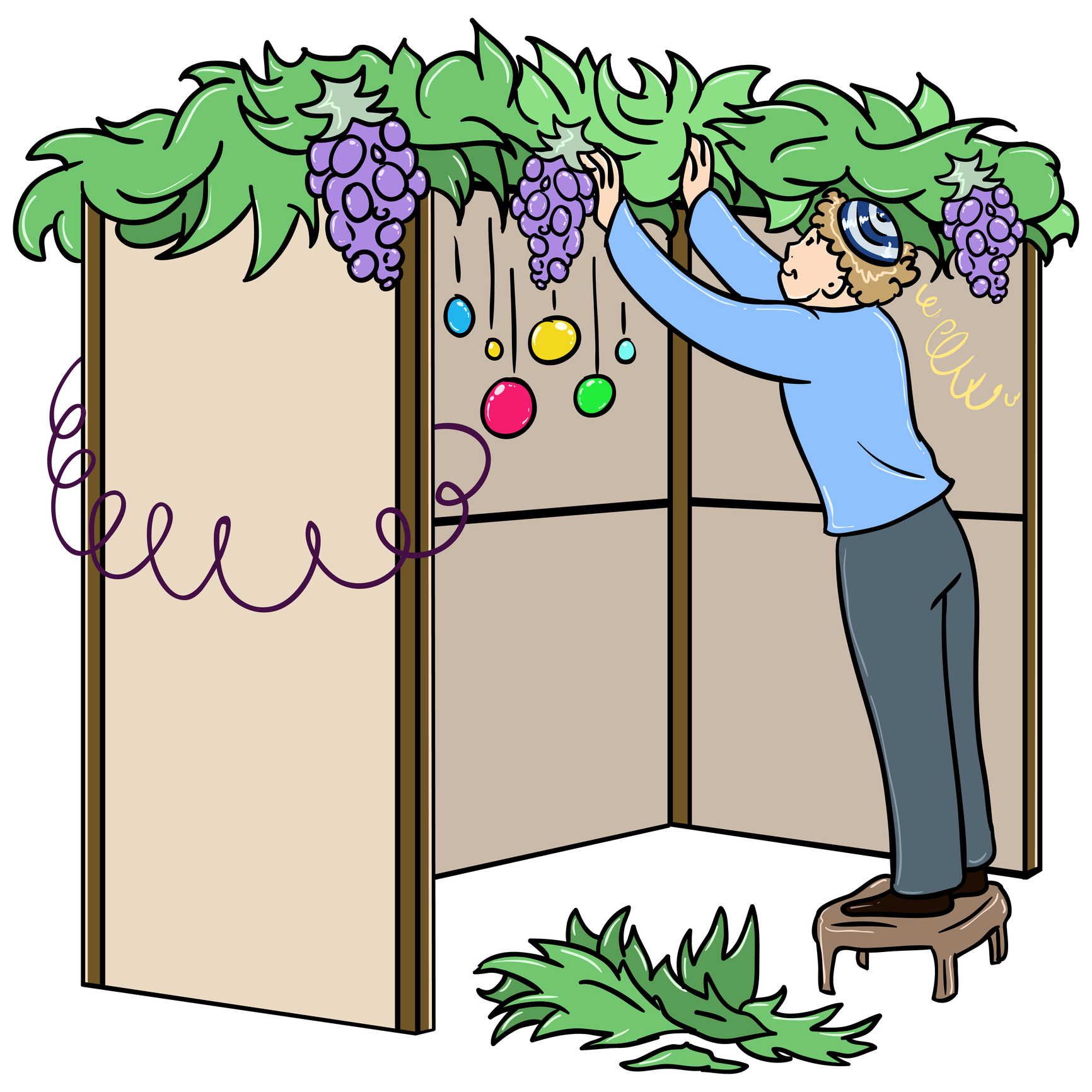
Jonah 4:3-5 (NKJV) Therefore now, O LORD, please take my life from me, for it is better for me to die than to live!” 4 Then the LORD said, “Is it right for you to be angry?” 5 So Jonah went out of the city and sat on the east side of the city. There he made himself a shelter (sukkah) and sat under it in the shade, till he might see what would become of the city.
© Liron Peer | Dreamstime.com

Beloved, if you have been deeply wounded, hurt, betrayed, or suffered horrific abuse at the hands of another person or people group, please consider Jonah. Though he knew the truth, and eventually preached it to a people he hated, he still held out hope that they would die in their debauchery. He even built a SUKKAH, sat in its shade, and instead of recalling that Adonai had Israel dwell in sukkot after delivering them from Egypt[11] (something they didn’t deserve), he longed to see the destruction of an entire city.

I wonder if we have done the same? Have we sat in our own satisfaction and self-righteousness, thinking it was a fine covering, forgetting whom we serve and the GREAT mercy He bestowed upon us? Have we been asleep when chaos is shaking our lost neighbors? Have we judged people and people groups that have acted wickedly and danced at the thought of their demise? If so, now is the time to WAKE UP! These secret relishes belong to darkness, sleep, and death.

Repent AND Forgive before you sit in your sukkah or there will be no true joy, no real waking life, only the desire for sleep. The Book of Jonah ends with HaShem asking Jonah a rhetorical question.

Jonah 4:11 (NASB) “Should I not have compassion on Nineveh, the great city in which there are more than 120,000 persons who do not know the difference between their right and left hand, as well as many animals?”

If you want to be forgiven, forgive. If you want to receive mercy, extend mercy. If you desire God’s compassion, give compassion. When you’ve been broken, hurt, or betrayed, this becomes extremely difficult. This week, Sombra Wilson shared her testimony of radical forgiveness on Renewed Radio. If your pain has placed you in rebellion or a stupor, a trance-like sleep (death), and it is preventing you from moving forward, I encourage to listen to her testimony.

May the Faithful One bring you and yours into complete unity, health, and restoration before the upcoming High Holy Days. May your deeds be complete. Messiah, speaking to the 5thassembly of Sardis (Red Ones) in the Book of Revelation that corresponds to the 5th festival of Rosh Hashanah (Yom Teruah)[12] says:

Rev. 3:1-6 (NASB) “To the angel of the church in Sardis write: He who has the seven Spirits of God and the seven stars, says this: ‘I know your deeds, that you have a name that you are alive, but you are dead. 2 ‘Wake up, and strengthen the things that remain, which were about to die; for I have not found your deeds completed in the sight of My God. 3 ‘So remember what you have received and heard; and keep it, and repent. Therefore if you do not wake up, I will come like a thief, and you will not know at what hour I will come to you. 4 ‘But you have a few people in Sardis who have not soiled their garments; and they will walk with Me in white, for they are worthy. 5 ‘He who overcomes will thus be clothed in white garments; and I will not erase his name from the book of life, and I will confess his name before My Father and before His angels. 6 ‘He who has an ear, let him hear what the Spirit says to the churches.’

May you be inscribed for a good year!


[1] What Happens to You When You Don’t Sleep for Days

[2] Job 33:15-18 (NASB) “In a dream, a vision of the night, When sound sleep falls on men, While they slumber in their beds, 16 Then He opens the ears of men, And seals their instruction, 17 That He may turn man aside from his conduct, And keep man from pride;  18  He keeps back his soul from the pit, And his life from passing over into Sheol.

[3] You can read more about why Yom Teruah is also called Rosh Hashanah in the footnotes and comments of this post.

[4]Maimonides (Rabbi Moshe ben Maimon), the author of Mishneh Torah (Sefer Yad HaHazaka).

[5] Mishneh is also related to the words sleep, change/repeat, and year! It means repetition.

[6] H8639 תַּרְדֵּמָה tardēmāh: A feminine noun referring to deep sleep; a sound sleep. It refers to a deep unconscious state needed, usually, for rest. God may bring it on in special circumstances (Gen 2:21; Gen 15:12; 1Sa 26:12). It is a common event in the middle of the night and may be accompanied by dreams naturally or from God (Job 4:13; Job 33:15). Laziness, a moral problem, can result in a person falling into this state (Pro 19:15). It is used in a figurative sense of a moral and spiritual stupor (Isa 29:10).

[7]Gen. 10:11

[8 Ashurbanipal: The Oldest Surviving Royal Library in the World with Over 30,000 Clay Tablets

[9 Nahum, Nineveh and Those Nasty Assyrians

[10] Jon. 4:11 (NASB) “Should I not have compassion on Nineveh, the great city in which there are who do not know the difference between their right and left hand, as well as many animals?”

[11] Lev. 23:43 (NASB) so that your generations may know that I had the sons of Israel live in booths when I brought them out from the land of Egypt. I am the LORD your God.'”

[12]See The Creation Gospel Workbook One by Dr. Hollisa Alewine.
Categories: Moedim, Renewed Radio | Tags: , , , , , , , , , | 9 Comments

Tu B’Shevat

15th of Shevat (eleventh month)

February 11th, 2017 (begins at sundown on the 10th)

Rosh HaShannah La’ilanot

© K. Gallagher

As of late, I’ve been reading a very interesting book called, The Hidden Life of Trees by Peter Wohlleben. While this isn’t a spiritual book, I cannot help but notice once again how the natural things teach spiritual truths. In the book, Mr. Wohlleben explains the marvelous activities of trees in life, death, and regeneration. Trees (in forests) live, communicate, support, and tend to one another. They detect and warn others of parasites and insects that cause harm, and can even release toxins to kill such threats. Deep in the soil, their roots work with fungi, creating a biological internet to communicate and share vital nutrients with sick trees and even the stumps of fallen family members, keeping them alive. However, trees can also shun other trees, robbing them of nutrients and sunlight. They tend to share only with those that are direct family members.

Interestingly, humans could not survive on earth without trees. They produce most of the oxygen that people and animals breathe. There would be no rain without trees, since trees absorb water from the soil and release it through evapotranspiration back into the air in the form of clouds. Forests are earth’s air filters, without which, we’d all die from pollutants. Trees prevent topsoil erosion, break the force of wind and rain, and their decaying leaves enrich the soil for other trees and plants.

In the Bible, trees (etz) were created on the third day, linking them with the Spirit of Counsel (Etzah), the Feast of early Firstfruits, and resurrection. The Biblical imagery of trees and their direct comparison to people is astounding. In fact, the only person that required a second touch from Yeshua for healing exclaimed, I see men like trees, walking.” (Mark 8:24 NKJV) Yeshua actually spit in this blind man’s eyes. I am of the opinion that Yeshua’s saliva “over-healed” this man, if you will, and he saw too well (spiritual), requiring an additional touch (a tamping down) to see as a man.

People have trunks and limbs. They grow roots, have seeds, and produce fruit. Trees and people feel pain and bleed when wounded. Both breathe and sway (move) when the wind (ruach) blows upon them. The growth of trees and people are deeply affected by the type of soil, the volume of water, and the amount of sunlight that they receive. Even the House (Temple) of YHWH is built with both trees and people. (2 Chron. 2, 1 Cor. 6:19) Thus, it is no wonder that the Scriptures abound with analogies, metaphors, similes, and puns that compare mankind to the majestic trees of the forest.

In this post, I hope to illuminate the surprising connections between the month of Shevat, trees (seed to fruit), Messiah, resurrection, water, and Torah. My hope is that you will be inspired to explore Judaism’s traditional New Year for Trees with fresh eyes, like the healed blind man. Tu B’Shevat or Shevat 15th is not mentioned in the Torah. However, it is mentioned in the Mishnah, where it is called the New Year for Trees.[1] Why in the world do trees need a new year and what benefit is this for a follower of Messiah?

First, it is helpful to understand the four different Rosh Hashanim[2] or New Years celebrated in Judaism. They are the following:

  • Nisan 1st is Rosh Hashanah for the months and the festival or feast calendar. (Ex. 12:2) It is also Rosh Hashanah for calculating the years of the reign of the Kings of Israel. No matter when a king was crowned, his first year ended and his second year began on that day. Thus, if a king was anointed in the month of Adar, the following month of Nissan would be the beginning of the second year of his reign.
  • Elul 1st is Rosh Hashanah for the tithing of animals. A farmer is obligated to tithe his livestock, consecrating every tenth animal. The 1st of Elul became the mark to separate the year for tithing cattle.
  • Tishrei 1st is Rosh Hashanah for years, Sabbatical years, and Jubilees. It is also marks the “change,” and judgment of mankind.
  • Shevat 15th or Tu b’Shevat is Rosh Hashanah for trees. The sages designated the fifteenth of Shevat as the boundary between one year and another regarding fruit trees for tithing purposes. All fruits which blossom before Shevat 15 are a product of the rains of the previous year, and are tithed together with the crops of the previous year. Fruits that grow after this date are produce of the new year. Like Elul 1st and the new year for cattle, this demarcation was instituted so one could tithe without confusion. This also helps one determine whether it is a permissible year to consume fruit from a tree (the first three years a tree produces, the fruit may not be eaten[3].
dsc_0687

© K. Gallagher

Below, we will briefly examine the following relationships:

  • The Early and Latter Rains (Water and Torah)
  • Pesach and Sukkot (Trees, People, and Torah)
  • Celebrating Tu B’Shevat (Seder: Wine, Seeds/Nuts, & Fruit)


Early and Latter Rains

The roots for Tu B’Shevat are found four months prior when Sukkot is celebrated. One of the major themes for the Feast of Tabernacles is water, especially in the form of rain. Prayers are offered up for rains in their season, which is a direct reference to the early rains in Israel.

“It shall come about, if you listen obediently to my commandments which I am commanding you today, to love the LORD your God and to serve Him with all your heart and all your soul, that He will give the rain (matar) for your land in its season, the early (yoreh) and late rain (malqosh), that you may gather in your grain and your new wine and your oil. (Dt. 11:13-14)

Rain in season is essential for trees that will bloom in spring. Thus, the prayers and water ceremonies from Sukkot look forward to the future feast and harvest cycles of the coming festival New Year of Nisan. The timing of the early and latter rains in Israel can be confusing to a westerner. We tend to associate the early part of the year with January or spring, but in Hebraic thought the civil year begins in the fall with the 1st of Tishrei. Thus, when the Bible speaks of the early rains, it is implying the time just after Sukkot in the fall. The latter rains fall near Pesach (Passover).

So rejoice, O sons of Zion, And be glad in the LORD your God; For He has given you the early rain for your vindication. And He has poured down for you the rain, The early and latter rain as before. (Joel 2:23 NASB) 

In Hebrew, the word for “early rain” in the underlined phrase above is moreh (H4175). This is also the word for TEACHER. The actual word for early rain is yoreh as used in Deuteronomy above. However, Joel chose to use one of its cognates, moreh, to ensure that we didn’t miss his connection between rain and teaching. They both share the Hebrew root yarah, meaning to cast or throw (like an arrow). This is also the root word for Torah.

The Torah of Adonai is like an arrow being shot at its target. It delivers precise information from teacher to student. It is also like the gentle rains that fall from heaven to soften up the soil (hearts) to receive His Seed.

“Let my teaching drop as the rain, My speech distill as the dew, As the droplets on the fresh grass And as the showers on the herb. (Dt. 32:2)

The NASB of Joel 2:23 states that YHWH gives the Teacher or early rains for our vindication, but the Hebrew texts actually says it is for our tzedakah or righteousness. Perhaps Young’s Literal Translation of this verse will put this into perspective:

And ye sons of Zion, joy and rejoice, In Jehovah your God, For He hath given to you the Teacher for righteousness, And causeth to come down to you a shower, Sprinkling and gathered—in the beginning. (Joel 2:23 YLT)

Very simply, the early rains are associated with the Teacher of Righteousness and His Word, the Torah. Why? Because the Word is a Seed and seeds require rain or water to sprout and grow and eventually produce fruit that has more of the same seed within it. The early rains (Torah) also soften the hard earth after a long, hot summer, allowing seeds to be planted in favorable soil.

Tu B’Shevat occurs between the early and latter rains. At this point, sap begins to rise through the veins of trees, pricking them to awaken from their winter sleep. This mirrors resurrection, new life, and renewal. Dormant seeds know that the time to spring from their earthly graves is near. Thus, the month of Shevat, the time between Sukkot and Pesach, is pregnant with the energy of new life. In fact, the sages teach that on the 15th of Shevat, a unique wave of Divine energy flows through all of creation as a forerunner to restoration and rebirth (in spring).

dsc_0773

© K. Gallagher

It was on the first day of the Hebrew month of Shevat that Moses recited the book of Deuteronomy to the people of Israel. Once again, this links Shevat with receiving the Seed and the Rain, YHWH’s divine instructions:

These are the words which Moses spoke to all Israel across the Jordan in the wilderness, in the Arabah opposite Suph, between Paran and Tophel and Laban and Hazeroth and Dizahab. It is eleven days’ journey from Horeb by the way of Mount Seir to Kadesh-barnea. In the fortieth year, on the first day of the eleventh month, Moses spoke to the children of Israel, according to all that the LORD had commanded him to give to them. (Dt. 1”1-3)

Sukkot and Pesach

The Teacher of Righteousness (Messiah) was given to Israel in the season of the early rains, as He was born during Sukkot. He was also the Living Waters and the Lamb needed at Passover in the spring when the latter rains saturate Israel. If this still seems a little backwards to you, consider that time is a cycle or circle in Hebraic thought and that Passover and Sukkot mirror one another.

For example, Pesach and Sukkot are exactly six months apart and like Tu B’Shevat they always occur on the 15th of their respective month. This means that all three dates occur on the full moon when there is the most physical and spiritual light in the darkness. Both Passover and Sukkot commemorate the exodus from Egypt, slavery, and bondage. Moreover, they are the only two festivals that the Torah specifically calls a chag rather than a moed in Leviticus 23. The Hebrew word chag means to make a cycle or circle with your feet.[4]

© Dreamstimelirika
| Dreamstime.com

One of the most astounding links between Tu B’Shevat and Sukkot are the commanded four species that are waved during the festival.

On the first day you are to take choice fruit of trees, branches of palm trees, boughs of leafy trees, and willows of the brook, and rejoice before Adonai your God for seven days. (Lev. 23:40 TLV) 

Have you ever wondered why trees are used to commemorate the Israelite’s trek through the desert? We know that their diet consisted of manna from Heaven and water from a Rock. Could it be that the trees (Lulav and Etrog) that are waved at Sukkot represent the people? The Torah asks us a rather odd question in Deuteronomy 20:19, “Is the tree of the field a man?” While the context deals with war and is meant to define which trees can be cut down as tools to besiege a city, the association with men and trees are found elsewhere. Consider these verses:

But I—I am like an olive tree flourishing in the House of God. I trust in God’s lovingkindness forever and ever. (Ps. 52:10 TLV) 

 The righteous man will flourish like the palm tree, He will grow like a cedar in Lebanon. Planted in the house of the LORD, They will flourish in the courts of our God. They will still yield fruit in old age; They shall be full of sap and very green. (Ps. 92:12-14 NASB)

“They will not build and another inhabit, They will not plant and another eat; For as the lifetime of a tree, so will be the days of My people, And My chosen ones will wear out the work of their hands. (Is. 65:22)

Does Sukkot’s mirror, Passover, have any associations with trees? Yes! The people were to take hyssop branches to apply the blood of the lamb upon their doorposts and lintels. (Ex.12:22) Many centuries later, on another Passover, Yeshua was crucified on a tree. When death was nearly upon him, he said, “I thirst.” They took a hyssop branch with a sponge on the end of it and soaked it in vinegar and myrrh. They lifted it up to his mouth, but Yeshua refused it. (Mt. 27:34, Mark 15:23, John 19:29) The hyssop tree is also mentioned along with the Torah, water, people and the blood of the covenant:

For when every commandment had been spoken by Moses to all the people according to the Law, he took the blood of the calves and the goats, with water and scarlet wool and hyssop, and sprinkled both the book itself and all the people, saying, “THIS IS THE BLOOD OF THE COVENANT WHICH GOD COMMANDED YOU.” (Heb. 9:19-20)

Trees are intrinsic to both the beginning and the end. In Genesis, we see both the Tree of Life and the Tree of Knowledge of Good and Evil. In Revelation, Trees of Life line the banks of the River of Life. In Proverbs 3, the Spirit of Wisdom is a Tree of Life to those that cling to her. In Jewish tradition, the large spindles that carry Torah scrolls are called Trees of Life and the many sections of parchment are called its leaves.

The holy seven-branched menorah is also a Tree of Life, and is modeled after the almond tree. Interestingly, almond trees are the first trees to “wake-up” and bloom in Israel. The imagery of light, oil, buds, blossoms, and, eyes all add to the heavenly pattern of the menorah/tree being a symbol of resurrection and the power of the Holy Spirit. Moreover, the Hebrew word for tree, etz, is the same word for counsel, etzah. Thus, we find wise counselors like Abraham and Deborah near trees.

dsc_0701

© K. Gallagher

Messiah compares our ability to understand and discern His truth with four different types of soil receiving Seed[5], which are amazingly similar to the four-species waved at Sukkot. According to Yeshua, it is entirely possible to hear and see and not understand. Understanding is another Spirit of G-d, Binah.

Our good works and outward treatment of others is likened to fruit. Since we cannot possibly know the heart of another person, Yeshua reminds us that a tree is known by its fruit, for it reveals the seed from which it sprouted. (Mt. 12:33-37) YHWH even gave specific instructions for fruit trees in the Torah:

‘When you come into the land, and have planted all kinds of trees for food, then you shall count their fruit as uncircumcised. Three years it shall be as uncircumcised to you. It shall not be eaten. But in the fourth year all its fruit shall be holy, a praise to the LORD. And in the fifth year you may eat its fruit, that it may yield to you its increase: I am the LORD your God. (Lev. 19:23-25 NKJV)

Thus, discernment is key. For even if the fruit we see and taste came from good seed, it can still be uncircumcised and unfit for consumption in its sour immaturity. People are inherently connected with seeds, trees, and fruit. Hopefully, the tree we choose to partake of is the Tree of Life and not the one that simply makes one wise with the knowledge of good and evil. We must choose life.

The counterfeit tree is deceitful and its fruit enticing. Nebuchadnezzar had a dream of himself and his kingdom that YHWH equated to a mighty tree. (Dan. 4:10-16) Moreover, the wicked are planted in the earth like tree:

I have seen a wicked, violent man Spreading himself like a luxuriant tree in its native soil. (Ps. 37:35)

Israel is to be like the precious fruit trees that grow from the Seed of the Torah (Messiah) into a flourishing plant that gives sustenance and shade to others. Birds, like the sweet dove of the Holy Spirit, will nest in such branches. (Mt. 13:31-32) Notice the imagery and links between counsel, Torah, water, trees, leaves, and fruit that the psalmist uses in Psalm 1:

How blessed is the man who does not walk in the counsel of the wicked, Nor stand in the path of sinners, Nor sit in the seat of scoffers! But his delight is in the law of the LORD, And in His law he meditates day and night. He will be like a tree firmly planted by streams of water, Which yields its fruit in its season And its leaf does not wither; And in whatever he does, he prospers. The wicked are not so, But they are like chaff which the wind drives away. Therefore the wicked will not stand in the judgment, Nor sinners in the assembly of the righteous. For the LORD knows the way of the righteous, But the way of the wicked will perish. (Psalm 1)

In Romans 11, the Jewish people are called the holy, natural branches of an olive tree. Those of the nations are grafted into this tree and receive the same rich sap from its Root. Paul warns the grafted-in wild branches to not become arrogant against the natural branches, but rather to FEAR. Judah indeed holds a scepter of authority over the House of YHWH.[6] Not coincidently, the Hebrew word for scepter is shevet, the very name of this month (Shevat)![7] It also means a scion (graft), branch, rod, shepherd’s staff, and even a tribe.

In modern times, Jews have been planting trees in the land of Israel to honor righteous Gentiles such as Oscar Schindler and Corrie ten Boom, who helped save Jewish lives during the Holocaust.[8] These trees are planted in Jerusalem at the Holocaust museum in the Garden of the Righteous at Yad Vashem.

As you can see, the connections with people and trees are many. I have only briefly explored this concept. If nothing else, I hope you are inspired to research trees in Scripture during this season of transition. I pray that you bloom in the rich soil in which Adonai has planted you and that you continue to draw life giving nutrients from our Root, Yeshua.

Trees

By Joyce Kilmer

I think that I shall never see 
 A poem lovely as a tree. 
 A tree whose hungry mouth is prest 
 Against the earth's sweet flowing breast; 
 A tree that looks at God all day, 
 And lifts her leafy arms to pray; 
 A tree that may in summer wear 
 A nest of robins in her hair; 
 Upon whose bosom snow has lain; 
 Who intimately lives with rain. 
 Poems are made by fools like me, 
 But only God can make a tree.


Celebrating Tu B’Shevat

How can we make Tu B’Shevat meaningful? Consider some of the following activities:

  • Plant a tree! Or start some seeds for the spring.
  • Give the gift of fruit (or money) to the needy. Or volunteer to help feed or nurture them.
  • Study trees, tithing and/or the seven species of Israel in the Bible (Dt. 8:8)
  • Prepare a meal that includes various seeds, leaves, and fruit. Discuss with your family.
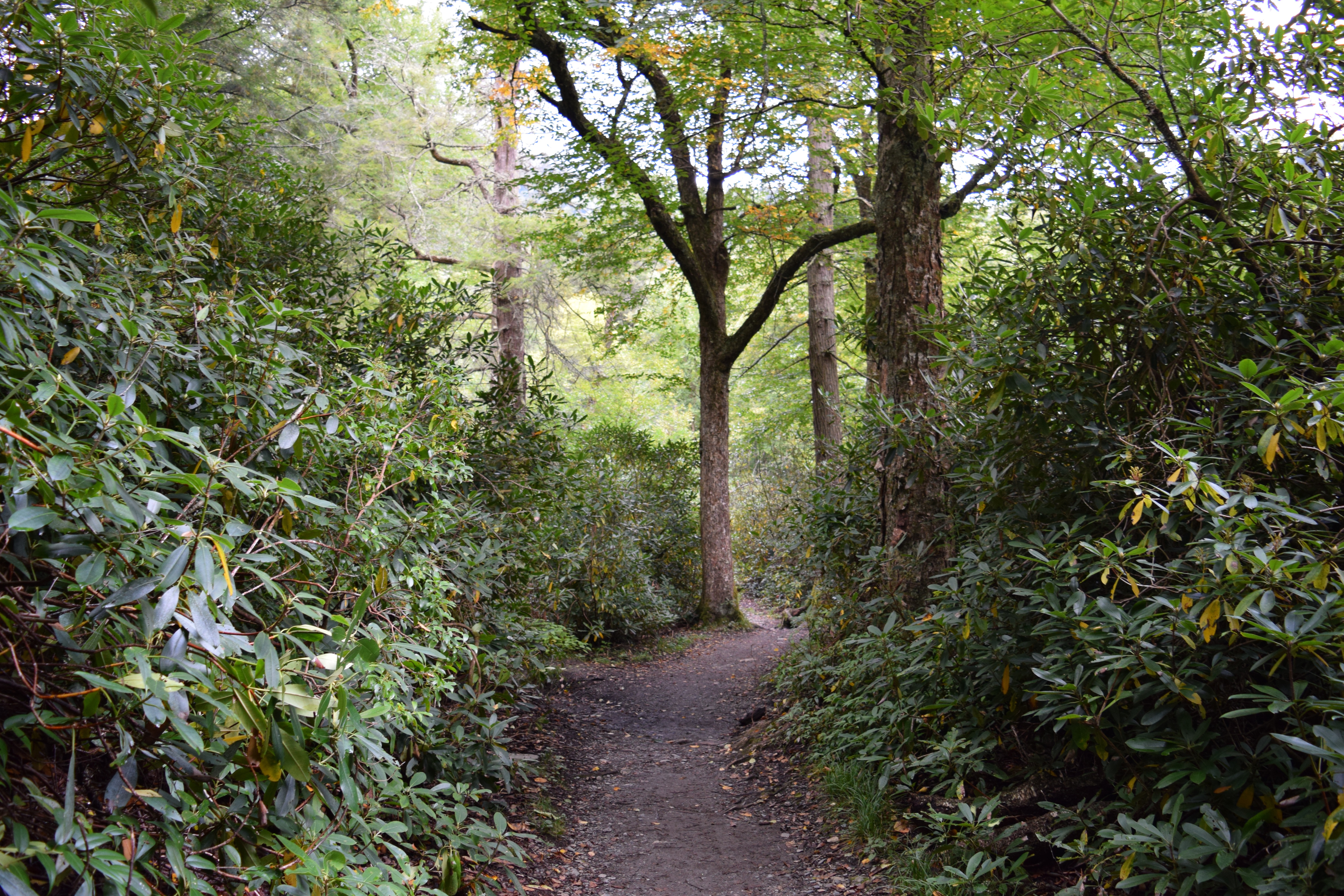
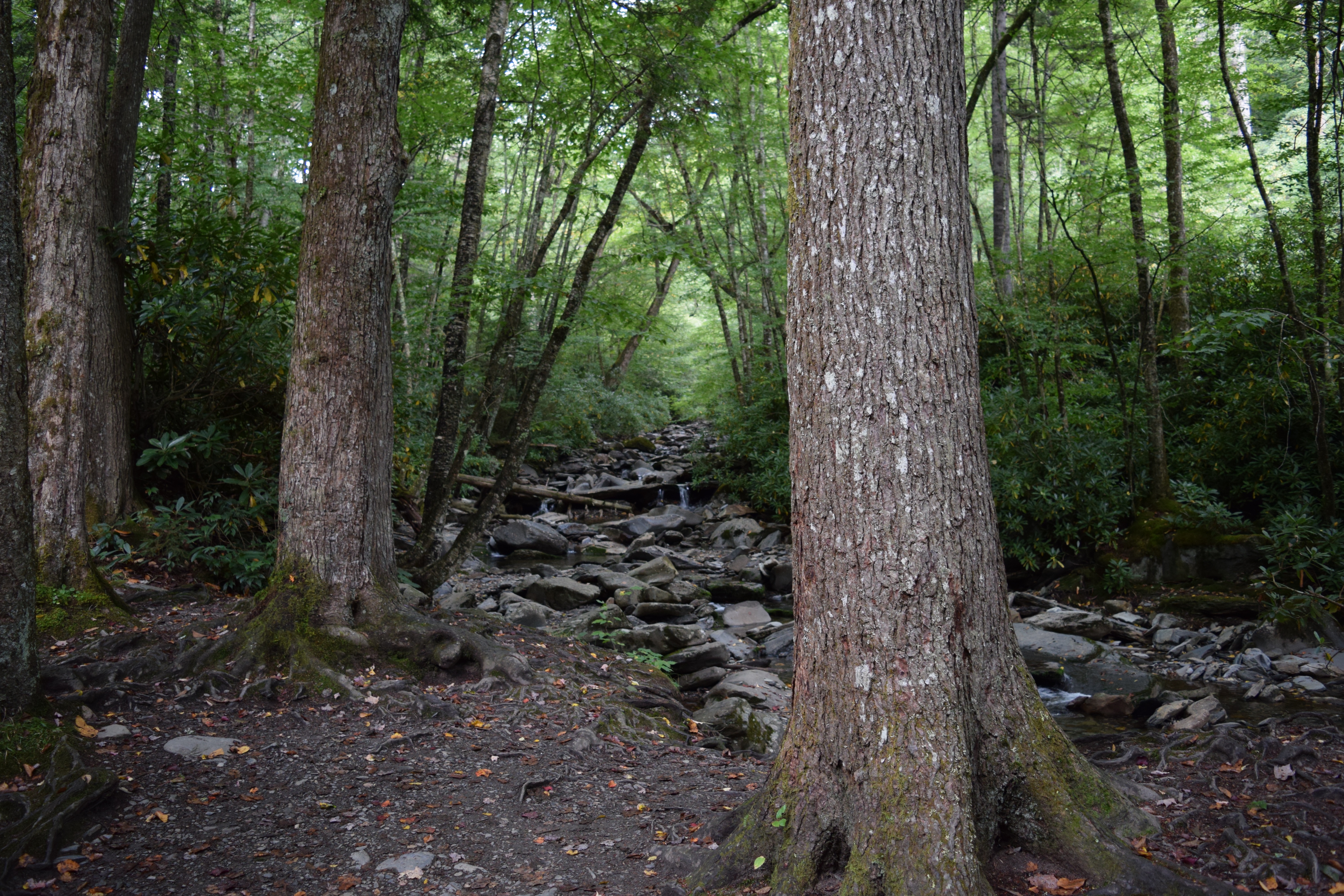
  • Take a walk or hike through forested land and thank the Creator for the mighty trees.
  • Recite Psalm 104.[9] Or the Psalms of Accent (120-134).
  • Host a Tu B’Shevat Seder. (Explained below.)

Intriguingly, the rabbis have developed a seder, complete with haggadah, to lead the family through the new year for trees, further linking Tu B’Shevat to Passover. Like the Passover haggadah, there many versions to choose from. A basic outline is as follows:

The service often begins by singing Psalm 133 or the “Hinei Ma Tov”. This song recalls our familial connections to Israel’s family TREE. During the ceremony, each participant will drink 4 cups of wine (or juice), starting with white wine, mixing increasing amounts of red wine with white, ending with a glass of red wine. YHWH is blessed before each cup by reciting Kiddush. These four cups symbolize the cycle of life in four seasons:

  • Pure White —represents the winter and the (seeming) void of life. It also symbolizes Day One of creation when divine light is separated from darkness.
  • Pale Pink (white with a few drops of red) —represents the approach of spring, and the splash of red signifies the emergence of color. It also symbolizes Day Two of creation when the earthly (red) and heavenly (white/fire) waters are separated from one another.
  • Dark Pink (a mixture of white and red) —represents the progression of spring. The ground has warmed to allow the seeds to take root, and the plants have started to grow. It also symbolizes Day Three when the waters (white) are gathered and dry land (red) appears with the life of seeds, trees, and fruit.
  • Pure Red (or with drops of white) —represents the arrival of summer. The trees are in full bloom and filled with fruit, ready for harvest. It also symbolizes Day Four when the sun, moon, and stars were given to govern our clocks and calendars to worship the King in proper seasons (moedim).

In between the cups of wine, participants eat a total of fifteen (or seven) types of nuts and fruits from three categories: fruits/nuts with shells, fruits with pits, and fruits edible inside and out. (Recall the Lulav and Etrog and the Parable of the Sower.) Each type of fruit represents a type of person and is intended to stimulate discussion around the table. The fourth element or fruit is spiritual and is not eaten. To represent the spiritual fourth fruit (Holy Spirit), the fragrance from cloves, cinnamon, rosemary or any other pleasant spice is inhaled by the participants. The entire seder is meant to increase awareness of Tu B’Shevat through nature, prayer, song, story, and dialogue.

The following links may be helpful in creating a meaningful Tu B’Shevat Seder.[10]

My jewish Learning

The Coalition on the Environment and Jewish Life (COEJL)

“My beloved responded and said to me, ‘Arise, my darling, my beautiful one, And come along. ‘For behold, the winter is past, The rain is over and gone. ‘The flowers have already appeared in the land; The time has arrived for pruning the vines, And the voice of the turtledove has been heard in our land. ‘The fig tree has ripened its figs, And the vines in blossom have given forth their fragrance. Arise, my darling, my beautiful one, And come along!'” (SOS 2:10-13 NASB)


[1] Rosh HaShana 2a: Chapter I, Mishnah. “There are four new years. On the first of Nissan is new year for kings and for festivals. On the first of Elul is new year for the tithe of cattle. R. Eleazar and R. Simeon, however, place this on the first of Tishri. On the first of Tishri is new year for years, for release and Jubilee years, for plantation and for [tithe of] vegetables. On the first of Shevat is new year for trees, according to the ruling of Beth Shammai; Beth Hillel, however, place it on the fifteenth of that month.”

[2] Shanah, the Hebrew word for year, is a feminine noun. It is one of the “rule breakers” in Hebrew grammar. In the plural, shanah takes the masculine ‘im ending rather than the usual feminine ‘ot.

[3] Lev. 19:23-25

[4] We use our feet to make cyclical pilgrimages to the mountain of YHWH in Jerusalem, hence they are called “foot-festivals.” Chag is also related to the circle dancing or whirling of worship.

[5] And He *said to them, “Do you not understand this parable? How will you understand all the parables? (Mark 4:13 NASB)

[6] Gen 49:10  “The scepter shall not depart from Judah, Nor the ruler’s staff from between his feet, Until Shiloh comes, And to him shall be the obedience of the peoples.

[7] H7626 שֵׁבֶט  shêveṭ  From an unused root probably meaning to branch off; a scion, that is, (literally) a stick (for punishing, writing, fighting, ruling, walking, etc.) or (figuratively) a clan: –  X correction, dart, rod, sceptre, staff, tribe.

[8] Moody, Valerie. The Feasts of Adonai: Why Christians Should Look at the Biblical Feasts. Lubbock, TX: Gibbora Productions, 2009. Print. p.143

[9] Psalm 104 is traditionally read on Rosh Chodesh (the new moon), but it’s filled with all the rich imagery we just explored.

[10] Linking to these sites does not suggest that I agree with all their content.

Categories: Biblical Symbols, Moedim | Tags: , , , , , , , , , , | 10 Comments

The Unity of the Scroll

© Rumata7 | Dreamstime.com

Just before Rosh HaShanah, I had the pleasure of being up close and personal with a Torah scroll. My mentor, Dr. Hollisa Alewine, author of the Creation Gospel, was preparing to sing the Akedia (Binding of Isaac) for their Rosh Hashanah service. I was like a fly on the wall watching her careful handling of the leaves (pages of the scroll) and the Words. The Scroll was rolled out to reveal Bereshit (Genesis) 22 in the Torah.

Although I’ve seen Torah scrolls open before, this time was different. As a matter of fact, many things really resonated down to my bones at this particular season of teshuvah. I gazed upon the leaf with its beautifully penned black letters. The deer skin hide upon which they were written 300 or so years ago had turned into a rich amber patina. What struck me so hard was the flow of the Hebrew letters. I was instantly reminded of the River of Life.

I knew that the vowel points would be absent, but the lack of spacing between the words caused my eyes to see (in the spirit) the unity and oneness of the Word of God. Each section of the Torah appears as one ginormous vowel-less Word! To put it another way, each letter is one building block in a stream of continuous Truth. There is no separation. No division. Nothing is disjointed. Everything is connected and cohesive. Removing even a single letter would diminish the beauty, oneness, and unity of YHWH’s Word.

However, to make these consonant letters come to life requires breath or Spirit. One must open their mouth and like a shofar become the vowels that ignite the fiery Words of our Elohim. The ebb and flow of the cantillation flows like rushing waters from the flesh of the Living. The scroll is made from the flesh of a beast created on day six, but it is the spirit of a man/woman made in the image of Elohim that gives it life. Are we a vessel that gives the letter life? Or is our focus only on the dead things of the flesh?

Though touching the letters can harm the scroll’s integrity, I was able to touch the baby soft under side of the scroll. A beast only shows or gives access to its most vulnerable parts when it is submissive to a Higher Power, the Alpha. When we submit our lower or beastly nature (flesh) to the Word of the Almighty God, we become like the deerskin scroll. Through the death of our flesh, we become a living testimony to the Life and Light and Power of a Greater Resurrected Life.

The Words of Life are inscribed on the flesh (of a beast). You are either a man (woman) created in the image of Adonai or you are ruled by the lower nature, the image of a beast. This is true in the beginning in Genesis 1 on day 6 and at the end in the Book of Revelation. Abba desires that His Word be upon a heart of clean flesh. Long after these flesh and blood bodies have worn out and passed away, the Word written on hearts of flesh LIVES.

When Abba teaches a lesson, He usually gives more than one example. When the Hidden Day (Feast of Trumpets) finally arrived, I witnessed this same message through the Living Stones of the people at the Olive Branch. During the service this same scroll was carried around the assembly in a processional and then lifted up high before the people. The Body was One with her King. The King was the focus and the unity was profound. We were of one accord, all connected like the letters on the scroll. All flesh was submissive showing its soft under belly to the Master of the Universe.[1] Words of Life were being etched upon clean flesh.

When Dr. Alewine began to sing the Akeida, the Shekinah (Divine Presence) was heavy and awe inspiring. I could barely stand on my feet. Abraham was willing to take the thing He loved most in this world and give it to Adonai. We also must be willing to submit ourselves to one another and to our King. Flesh must be sacrificed before one can enter the Presence. This is how unity is accomplished and where the glory of Adonai dwells. (Ps. 84)

During these Days of Awe, my prayer is that we learn to walk out the unity of the scroll. We are the Living Letters of Life that flow out from the throne of the King of the Universe. When we open our mouths of flesh, may they be filled with truth, mercy, and righteousness. May we be vessels of reconciliation, love, and light.

L’Shanah Tovah!

  As the deer pants for the water brooks, So my soul pants for You, O God. (Ps. 42:1)


[1] The unified Word written on flesh is not just about submitting to the King. It also requires submitting to and loving one another. These are the two great commandments. We will continue to see divisions and separations when the beast (person ruled by the flesh) reigns in our hearts and in our midst. May Abba send us a minister like Nathan to tell us that, “we are that man/woman.” If we have given ourselves over to the beast/flesh, may we repent.


Categories: Creation Gospel, Moedim | Tags: , , , , , , , , , , | 6 Comments

The Voice of the Shofar

Shofar of Flesh

Shofar… So Good.

The feast of Yom Teruah (Rosh HaShanah/Feast of Trumpets) is nearly upon us. And with it, there is much speculation as to what the upcoming holy month holds for Israel and the world at large. Some folks are excited, but even more fear what may come to pass. There are so many voices speaking and prophesying at this season. Who is right? Who do we need to listen to?

According to the Torah, there is only one voice that we are commanded to hear at this season. (Lev. 23:23-25) It is the shrill voice of the humble shofar. Do you find it odd that out of all the feast days, Yom Teruah has the least requirements mentioned in the Torah? There is so much mystery associated with this day. Since it occurs on the New Moon, there is literally and figuratively less light. No wonder there is so much confusion surrounding this moed.

May I make a suggestion? Let’s have another look at what has been clearly revealed. What exactly is a shofar and why is it so important as to have an entire moed (feast) associated with it? At first glance, a shofar seems to be no more than a primitive trumpet made from the horns of a ram. But YHWH isn’t random or arbitrary. This Elul, all the mayhem, trials, testing, and just plain pressing has caused me to really cry out to YHWH.

And then something dawned on me. This simple instrument is made from a nephesh, a living creature. In order for us to enjoy its beautiful and unique sound, a ram (or least this part of the ram) must first die. [1] If you’ve ever heard the voice of a shofar, it sounds very much like a loud, piercing cry.

A cry. Isn’t that what we are doing in this season? Are we not crying out to our Elohim and King? We desire heartfelt repentance, forgiveness, restoration, healing, and reconciliation. We throw ourselves at the feet of our Redeemer and rest in His unfathomable mercy, grace, compassion, and sovereignty. There is no instrument on the planet that can encompass our inward groans and wordless pleas better than the shofar.

The flesh/nephesh has to die in order for these cries to become a reality. This places us in a very intimate and childlike state. Little babies and young children cannot use words to describe what is in their innermost being. They often can’t express their discomfort with words. So, what do they do? They wail and cry out to their mother or father. Their shrieks are a loud alarm. It’s a siren call for mom or dad to come to the rescue. A loud cry will wake a parent from their slumber.

And, so it is with the shofar. Its voice is the cry of a child to its parent. It is a tongue of wordless words. It reminds YHWH that He is our Father. It is a desperate plea for Abba to act on our behalf. It is a voice crying out from a vessel of flesh submitted to its Maker.

Ruach

All of the inside soft flesh or cartilage of the ram’s horn must be removed before it can be used as an instrument of prayer, worship, and war. [1] Once it is thoroughly cleaned out, one can then begin to fill it with something else: breath (life). The first cries from the shofar are born from pressed lips and a strong exhale of the blower’s breath. It is very much like a deep wail. The lips do not form words, but wordless music powered by the ruach.

Can you see the picture? This vessel must have all of its fleshly tissues removed in order for the breath/wind or Ruach to flow freely through it from tip to tip. When the shofar is filled with ruach, it cries out in repentance, praise, worship, and gathering. It speaks a message that is beyond words. 

What was once a nephesh has been transformed into a vessel for the Holy Spirit (Ruach HaKodesh). The voice of the shofar is very much akin to the niggunim and the tongues of fire acquired at the previous feast of Shavuot (Pentecost). We learn to move and speak not from the flesh, but with the infilling of the Spirit. And like sweet music, our (redeemed) voices learn to whisper the everlasting Good News which is carried to the far reaches of the earth by the wind (ruach).

YHWH gave His followers the shofar for a reason. We are called to hear its voice because we are to be like the shofar. We are to be willing vessels, submitted to Adonai. We shout and cry out in jubilation for our King is Coming!

I pray your High Holy Days are blessed!

Below is a Blessing and Psalm for the Season. Shalom!

Blessing for the Shofar

Baruch ata Adonai Eh-lo-hei-nu meh-lekh ha-o-lam ah-share kid-e-sha-nu b-mits-vo-tav ve-tzi-va-nu leash-moe-ah kol shofar.

 Blessed are you, Adonai our God, King of the Universe, who has sanctified us with commandments and who has commanded us to hear the voice of the shofar.

Psalm to Praise our King at this Season

Psalm 47

Complete Jewish Bible (CJB)

 For the leader. A psalm of the descendants of Korach:

2 (1) Clap your hands, all you peoples! Shout to God with cries of joy!

3 (2) For Adonai ‘Elyon is awesome, a great king over all the earth.

4 (3) He makes peoples subject to us, puts nations under our feet.

5 (4) He chooses our heritage for us, the pride of Ya‘akov, whom he loves. (Selah)

6 (5) God goes up to shouts of acclaim, Adonai to a blast on the shofar.

7 (6) Sing praises to God, sing praises! Sing praises to our king, sing praises!

8 (7) For God is king of all the earth; sing praises in a maskil.

9 (8) God rules the nations; God sits on his holy throne.

10 (9) The leaders of the people gather together, the people of the God of Avraham; for the rulers of the earth belong to God, who is exalted on high.


[1] An animal’s horn is made of an outer layer of hard keratin that is filled with soft bone tissue. Human bones and hair are made from this same material, keratin. In order to make a horn into a Shofar, the soft bone tissue must be removed from inside the horn.  This process takes a YEAR. The horn must sit for at least this long for the tissue to dry up, shrivel, and decompose. After this has happened, the tissue can usually be removed in one solid piece.

Categories: Biblical Symbols, Moedim | Tags: , , , , , , , , , , , | 11 Comments

Blog at WordPress.com.