Posts Tagged With: Redemption

A Voice is Heard in Ramah Part I

Thus says Adonai: “A voice is heard in Ramah—lamentation and bitter weeping—Rachel weeping for her children, refusing to be comforted for her children, because they are no more.” (Jeremiah 31:15, TLV)
          © VadiFuoco | Dreamstime.com

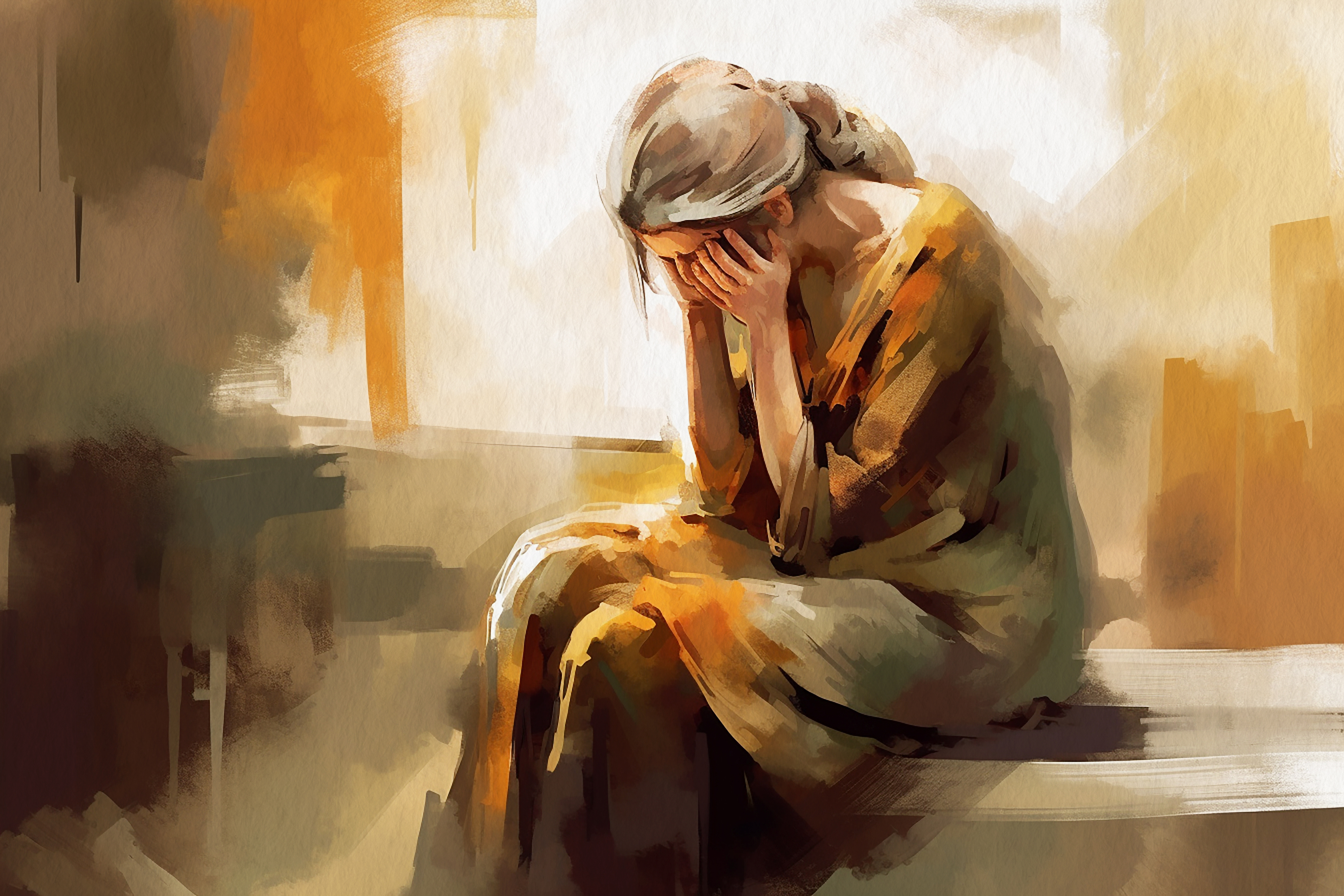
Today, Cheshvan 11th, is the yahrtzeit (remembrance of the day of one’s passing) of the matriarch Rachel. Whether or not Rachel actually passed on this date, the prophetic significance that Rachel represents is deeply tied into the themes of the eighth month, often dubbed the Month for Messiah. The eighth month is the only one that doesn’t have any Biblical or traditional holidays, but the new beginning significance of the number eight alludes to a future time when Messiah will inaugurate the third Temple. The first Temple was completed in the eighth month (1 Kings 6:38), but King Solomon waited almost an entire year later to dedicate it in the seventh month alongside the festival of Sukkot (1 Kings 8).

The Tabernacle and the Temple represent the indwelling Presence of Adonai, His people, and the Messiah – God tabernacling among, with, and in His people.[1] Jewish commentators glean this truth from Exodus 25:8,“And let them make a sanctuary for Me, that I may dwell in their midst. (LITV)” They see the eighth month as being reserved for the time of Messiah and His dedication of the third Temple. The exile will finally be over when Mashiach returns and restores all things (Acts 3:21). But what does any of this have to do with Rachel?

Joseph is arguably the most notable son of Jacob, as he was chosen to save the entire family (and future) of Israel, which prophetically figured the future salvation work of Yeshua. In fact, there numerous parallels between the lives of Joseph and Yeshua. Because of this, there is a common belief in Judaism that there is a Messiah ben (son of) Joseph and a Messiah ben David, the former coming as a suffering servant, and the latter as a conquering king. Christians have a similar understanding in the first and second coming of Messiah.

© Yafit Moshensky | Dreamstime.com

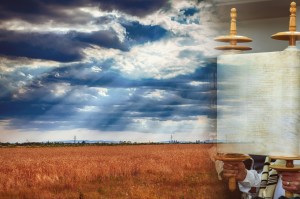
Rachel’s first born son Joseph was mockingly called the Ba’al HaChalomot, Master of Dreams, by his brothers. And due to their jealous animosity, Joseph became the first exile of Israel. This little nugget is important to remember. When Joseph was a young man, God gave him two dreams foretelling how in the future, he would rule over his brothers. In the first dream, Joseph and his brothers were symbolized by sheaves of wheat. When Joseph recounted the dream to his brothers, it ticked them off because they understood clearly what the dream meant. In his second dream, the sun, moon, and eleven stars bowed down to Joseph. Jacob understood that he was the sun, Rachel was the moon, and Joseph’s brothers were the stars. These dreams were part of the reason his brothers were envious of him. Soon afterwards, Jacob sent Joseph to check on his brothers while they were out shepherding sheep, and this is when they conspired at first to kill Joseph, but ended up putting him into a pit. Jacob, upon seeing the bloodied coat of Joseph that his brother’s used to deceive him, went into great mourning.

Jacob tore his clothing and put on sackcloth and mourned for his son many days. All his sons got up along with all his daughters to console him, but he refused to be comforted. He said, “For I will go down to Sheol to my son, mourning.” So his father kept weeping for him.” (Genesis 37:34-35, TLV)

Notice how the prophet Jeremiah sees Rachel doing the same thing, but not just for Joseph. She laments and weeps for his many descendants who had also been sent into exile.

Thus says Adonai: “A voice is heard in Ramah—lamentation and bitter weeping—Rachel weeping for her children, refusing to be comforted for her children, because they are no more.” (Jeremiah 31:15, TLV)

But there is a promise and exhortation that Adonai gives to Rachel.

Thus says Adonai: “Restrain your voice from weeping and your eyes from tears. For your work will be rewarded”—it is declaration of Adonai—“when they will return from the land of the enemy. So there is hope for your future”—it is declaration of Adonai—“when your children will return to their own territory.” (Jeremiah 31:16-17, TLV)

In Judaism, Cheshvan 11th has become a type of Jewish Mother’s Day. In a sense, all mother’s suffer pain and toil to birth and raise children. But, I find this Jewish Mother’s Day especially poignant, since there are so many grieving mothers in Israel due to the atrocious attacks of Hamas. Grace in Torah firmly stands with Israel and grieves with the many that have lost family and friends. I was in the Land on Simchat Torah when war broke out (more on that in Part II). I have a tiny inkling of what our Jewish brothers and sisters endure as they protect and fight for their inheritance. And whether Christians realize it or not, the Land IS one of the promises of the New Covenant, which goes back to the Covenant with Abraham.[2]

Mother Rachel’s Tears
Macedonian Encyclopedia, MANU, 2009, p., Public domain, via Wikimedia Commons

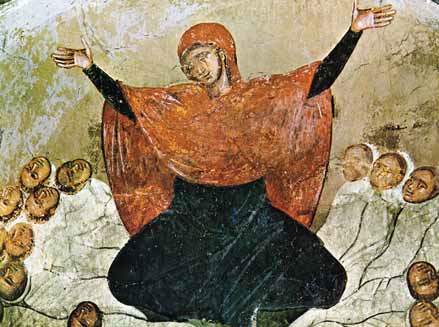
Unlike the other matriarchs and patriarchs, Rachel was not buried in Hebron at Machpelah. She is separated or exiled from Hebron and Machpelah (Cave of the Couples) despite it not being far from where she died. Why? If Rachel was the wife Jacob had intended to marry from the beginning, and she was the one he loved the most, why would she be buried on the side of road and not in the family grave site? Does this seem unnatural to you? In Jewish tradition, caring for the dead is the highest form of chesed, lovingkindness, because a dead person has no capability of returning the favor or paying one back. Caring for their body is a completely selfless act. If Jacob loved her so much, we must ask why she was buried where she was.

Perhaps Jacob knew something that we don’t easily see. God certainly chose Rachel, even after her death, to symbolize his mourning and deep desire for His wayward children to return to Him. Maybe Adonai allowed Jacob to see a glimpse of this, or maybe through Jacob’s grief He ensured that Rachel’s burial would be different. Rachel experienced “hard labor” and died giving birth to the final son of Jacob, Benjamin, on the Way to Ephrath (fruitfulness) near Bethlehem, the House of Bread. She called him Ben-oni, Son of My Sorrows, and Jacob changed his name to Ben-yamim, Son of my Right Hand. When Israel was finally able to enter the Promised Land, it occurred in the territory of Benjamin, who was the only son of Israel born in the Land.

Ema Rachel was “separated by her burial.” Why was she not “gathered to her people”? One might conclude that her incident of hiding her father’s idols under her saddle and saying she was on her “moon” cycle earned her death and separation, even in burial. If that is the case, Adonai still chose her to prophetically represent His deep longing for His wayward children to come home – children who had forsaken Him for the idols of their neighbors. Through the mouth of Jeremiah, Adonai proclaimed:

“Set up for yourself roadmarks, place for yourself guideposts; direct your mind to the highway, the way by which you went. Return, O virgin of Israel, return to these your cities. How long will you go here and there, O faithless daughter? For the LORD has created a new thing in the earth—A woman will encompass a man.” (Jeremiah 31:21-22, NASB)

Jeremiah spoke to people who were about to experience the judgment of Adonai that would result in their exile. Rachel’s tomb marks the place where the Babylonians marched the captives from the Land. But it is also the path one must take upon returning home. Separation, then gathering, renewal, and new life.
© Bualong Sadsana | Dreamstime.com

If one counts from the first day of the year (Tishrei 1) or Rosh Hashanah to Cheshvan 11, it equals forty-one. Forty-one is also the numerical value of אם (Em), which means “mother.” In Jeremiah, Mother Rachel prophetically weeps for her children who are “no more.” We also read this account in the haftarah portion on the second day of Rosh Hashanah (Jeremiah 31:1-19).

“At that time,” declares the LORD, “I will be the God of all the families of Israel, and they shall be My people.” (Jeremiah 31:1, NASB)


With weeping they will come, and by supplication I will lead them; I will make them walk by streams of waters, on a straight path in which they will not stumble; for I am a father to Israel, and Ephraim is My firstborn.” (Jeremiah 31:9, NASB)

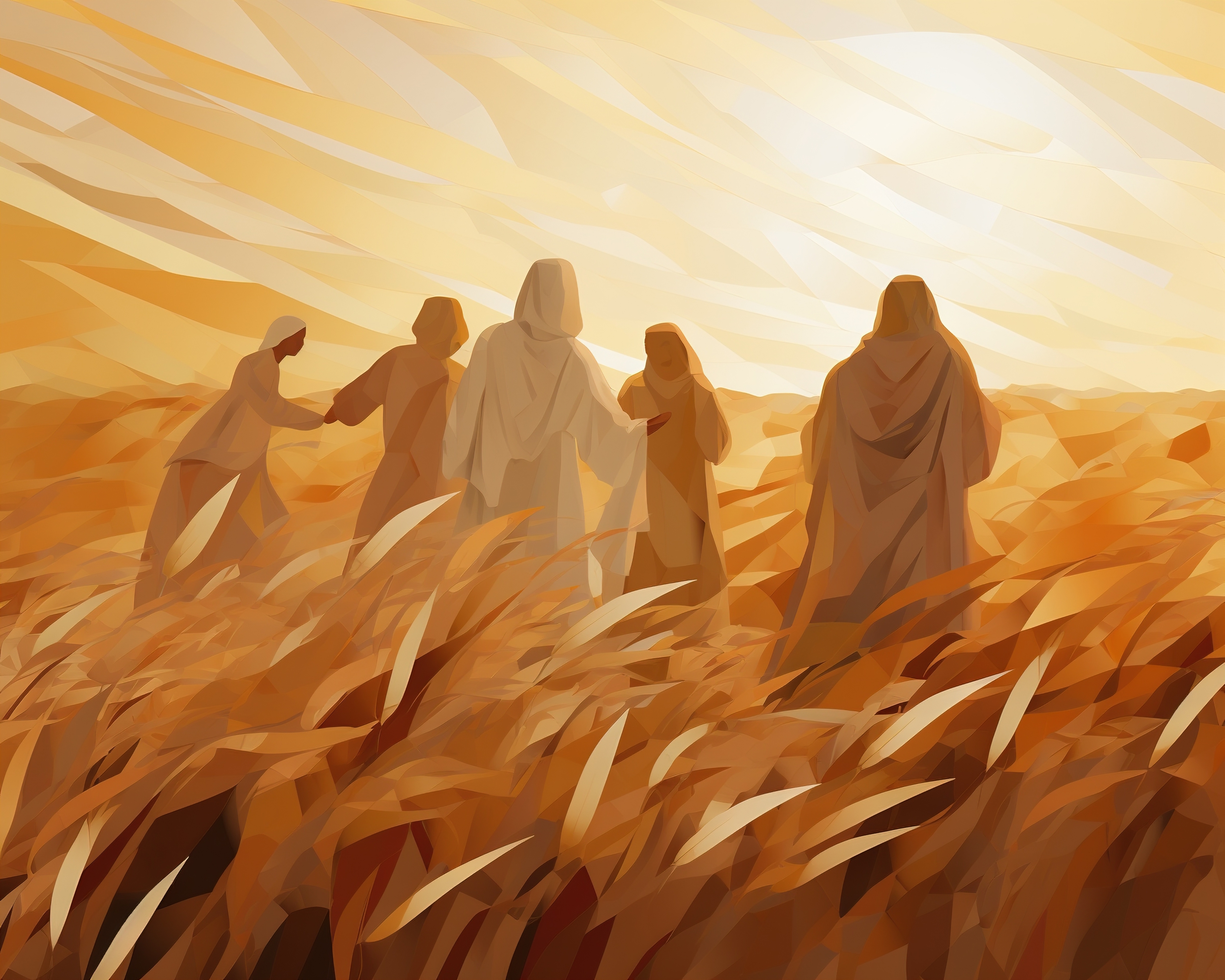
Weeping and mourning turning to laughter and rejoicing prophetically figures the restoration of all things. This is the theme of Jeremiah 31, which contains the prophecy of the new covenant. The Shabbat and festival Psalm read during the Birkat haMazon (Blessing After Meals) is Psalm 126. When you are full and satisfied (Dt. 8:10), remember that your work, toil, and pain will be rewarded. He is faithful. Returning exiles are “like dreamers,” who weep like mama Rachel, carrying their bags of seed. But they will return carrying their sheaves with them. They will rejoice in Simchat Torah. And the sheaves of Joseph’s dream will bow down to their Savior, but they won’t be alone. The first fruits guarantee that the whole field, the full harvest, is absolutely complete (Ezekiel 37:15-28, John 3:16, Romans 11).

Psalms 126:1-6 (NASB)

1 A Song of Ascents. When the LORD brought back the captive ones of Zion, we were like those who dream.

2 Then our mouth was filled with laughter and our tongue with joyful shouting; then they said among the nations, “The LORD has done great things for them.”

3 The LORD has done great things for us; we are glad.

4 Restore our captivity, O LORD, as the streams in the South.

5 Those who sow in tears shall reap with joyful shouting.

6 He who goes to and fro weeping, carrying his bag of seed, shall indeed come again with a shout of joy, bringing his sheaves with him.

The pattern of our complete redemption has been spoken from the Beginning. It will involve sorrow and trouble and hard birth pangs, but it will result with a celebration of the Son of the Right Hand, and great JOY.

Kever Rachel – Rachel’s Tomb
Dreamstime ID 277986163

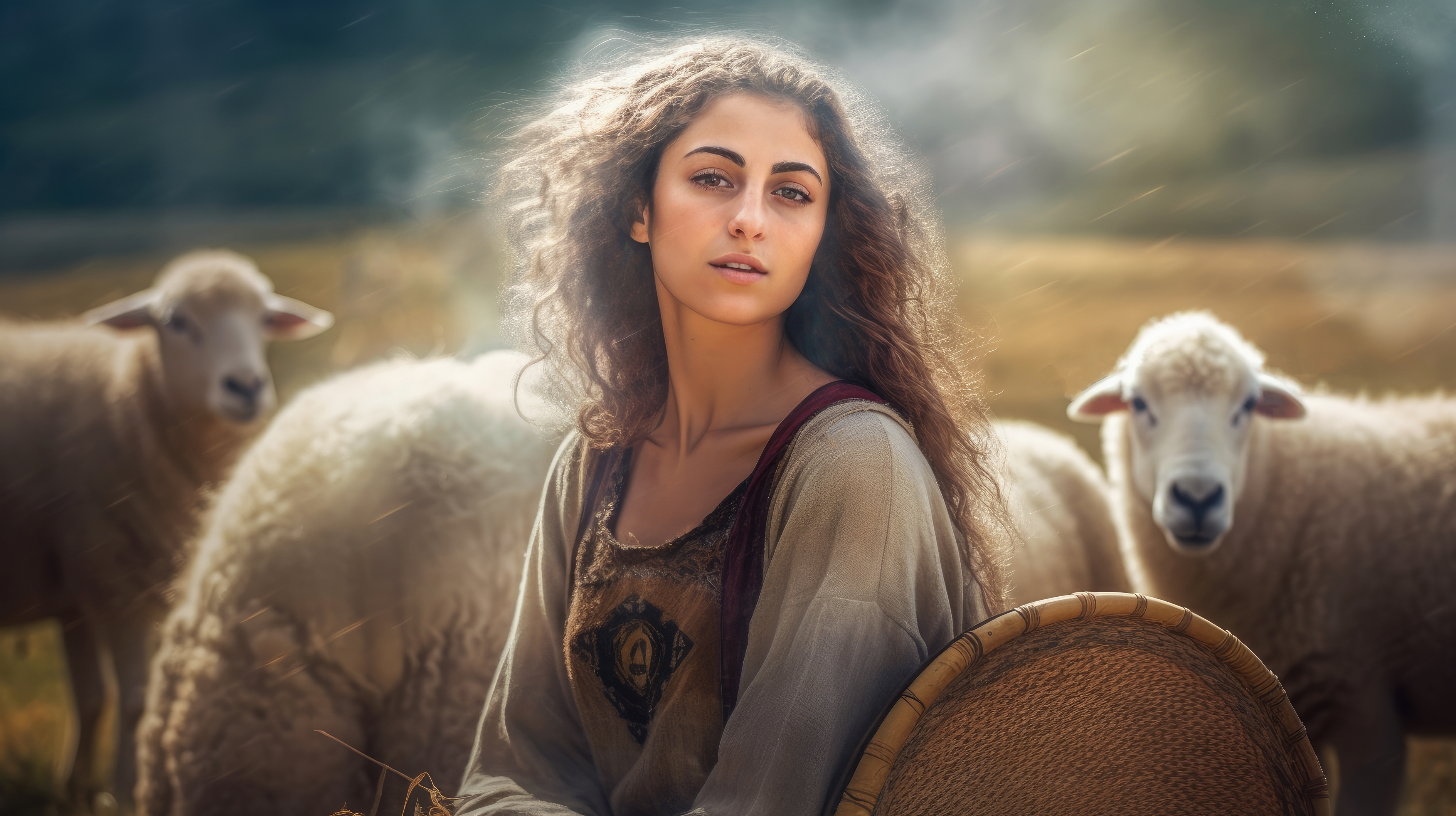
In 2018, I had the opportunity to visit Kever Rachel (Rachel’s Tomb) near Bethlehem. Rachel means a “ewe,” a sheep, and yet she was the FIRST woman shepherdess mentioned in the Bible. Shepherds guard, protect, lead, water, and feed the flock – something the resurrected Messiah said was expected from those that love Him (John 21).

Prophetically, Rachel symbolizes the Shekinah, the Divine Indwelling Presence[3], the Holy Spirit, Who, as Lady Wisdom, calls out to the wayward, lost, exiled, and bound children of Adonai. His desire is to release the prisoners, set the captives free, and bind up the broken hearted (Is. 61). And like a Mother Bird, He longs to gather them under His Wings. Rachel’s irregular burial “on the Way,” and her great pain, toil, and even death resulted with the last son, the Son of the Right Hand, who completed the House of Israel. This pattern points the Way back from the exile and to the restoration of all things (Acts 3:19-21).

Through the imagery of Rachel, God shows us labor pain, birth, death, wailing, mourning, and also great hope for the future. This is life in a nutshell. Rachel weeps, but she will be restored. Rather than being a symbol for death and separation, she pictures new life, repentance, reconciliation, and restoration. She is also connected to dreams and dreamers, the Bat Kol, Voice of God, the future, great joy, seeds growing into sheaves, laughter, prophecy, and Messiah. Most succinctly, she figures exile, redemption, and restoration. This story is told over and over through her life and in the lives of her children.

Rachel’s Tomb is considered the third most holy site in Israel. It once looked more like the first image in the photos below. Today, there is a winding paved road flanked by 50 foot concrete walls, dotted with IDF guard stations, that leads to the structure. These measures are in place to protect pilgrims from terror attacks from nearby Bethlehem, now an Arab city in the “West Bank.” The only indication that Rachel’s tomb looks anything like it did in the past, before all the security
measures were built, is the interior limestone floors, walls, and domed ceiling.

© K. Gallagher

The winding drive was depressing and the entrance looked more prison like than a “holy” space. As we approached the entrance, the oppression was thick and heavy. It wasn’t what I expected. As I walked through the door, my sunglasses broke and fell off my face. I caught them in my hand as I crossed the threshold. Later, I would find that to be the perfect metaphor for my experience. Sometimes, we must remove the artificial lenses we have placed over our eyes because it is dimming our vision and blocking “the light.”

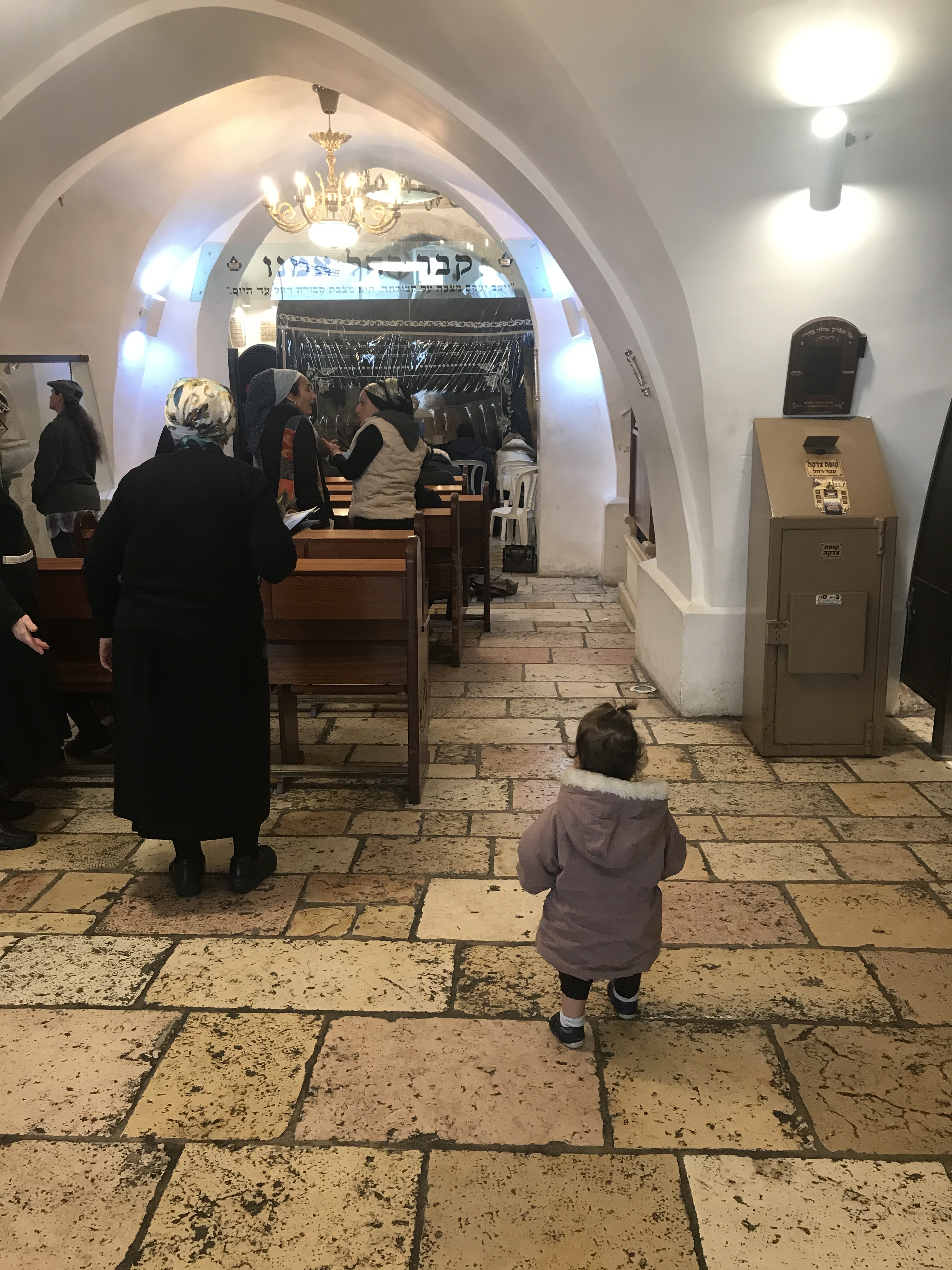
When I looked around, I was disappointed that there was nothing overtly “spiritual” about the place. Adonai had built Rachel up so strongly in my heart that I expected her to (figuratively) meet me there. But alas, all I sensed was heaviness, like the concrete barriers that surrounded everything around us. The men and women were separated, as is normal in Orthodox Jewish spaces. Both sides had many there praying, some very loudly, with wails reminiscent of Rachel weeping for her children. I wondered how many were there because they had lost children due to terror attacks, war, or some other tragedy, or who were dealing with the pain of barrenness. I took some photos and then prayed through my disappointment. “Abba, please show me what is here. I want to see.”
© K. Gallagher

As I opened my eyes after praying, I felt the Holy Spirit, and looked again. While in the natural everything was the same, I began to see the space with new eyes. The Holy Spirit had removed my natural lenses. The ancient limestone walls, shelves lined with prayer books, and the people remained. But, as I listened to the din of prayer by all those visiting, I noticed something that I failed to see before.

Suddenly, it was all very apparent. First, there were so many women! So many PREGNANT women! Large bellies full of life, and the laughter and cries of little children echoing against the golden limestone walls. Whispered prayers, chanted prayers, and even loud wailing pleas clouded the air and created an incense that I couldn’t smell with my natural senses. It all coalesced into a spirit-filled cacophony that I was ashamed that I couldn’t detect previously.

I scanned the room and noticed pews filled with old women, long past child rearing years, who sat there praying for their children, grandchildren, and great grandchildren. Their plain clothes, covered heads, and wrinkled faces were like the epitome of every storybook old woman I’ve ever read about. Generations were represented in that place, and they all knew what and WHO “Rachel” represented. But, I was just opening my eyes like one of the newborns.

One particular old lady sat in the back. My mentor slowly walked towards me at that point and said, “If you give her some shekels, she will bless you.” I have no idea how she knew this would be the case, but already in awe of seeing with new eyes, I did what she suggested. I carefully made my way to the old woman while riffling through my pocket for coins. I reached out to the old Jewess and handed her some shekels. She looked up at me, not with contempt, judgment, or confusion (I am obviously of gentile descent), but with the tenderness of a loving mother or grandmother. She gently grabbed my hand and gave me a blessing in Hebrew. Though I could only make out a few words, my spirit resonated with them and I knew I had received a great honor. Then to my surprise, that old Jewess kissed the back of my hand with the softest lips I’ve ever felt. It was as if ema Rachel had kissed me herself. I was undone.

Overwhelmed, I slowly walked away, choked up by the flood of feeling and images that raced through my mind. I whispered to Adonai, “I get it! I see!


Rachel is barren wombs who are now full of fruit.[4] She is idol worshipers turned and transformed into the image of Messiah.[5] She represents sacrifice and intercessory prayer. New life. Old life. Just LIFE. Cries, wails, despair and prayers, are exchanged for laughter and shouts of joy that echo throughout the centuries. Rachel died on the Way to Ephrat, fruitfulness. She is very near to the House of Bread – Bethlehem, the place the True Bread from Heaven was born. There is a reason she is not resting in Machpelah with the other patriarchs and matriarchs. She remains with her children in the exile, in their punishment and throughout their separation, calling loudly to them, crying for them to return.


Rachel exudes the love of our Father, whose holiness and righteousness requires justice; but like any good parent, hates to see us suffer all the same. And all the while, despite our treachery, unfaithfulness, and disrespect, His plan is to bring Israel back into His Bosom. And not just Israel, but the nations with them.[6] The prophets all proclaim this. The guilty will not go unpunished, and yet the chesed and mercy of Adonai abounds towards His people (Ex 34, Is. 54:8).

One night, before visiting Rachel’s Tomb, I had a very lucid dream about her. She was gripping metal birthing bars and was in the throes of labor. There were a few of us there who were like midwives and support. As her pains grew more intense, great drops of sweat ran down her face, thoroughly soaking her dark hair and clothing. As she screamed and pushed, her face would change. With one contraction she would be a woman, then the face of man, then the face of child. Many, many faces of all races and ages rippled to life as she travailed. Finally, she gave birth to a son, and he was half grown, the age of 7 or 8.

The dream was so real and graphic that I woke up in shock. It was later that I realized that Rachel is still giving birth, because that is what the Holy Spirit does, He grants us the spirit of repentance so we can accept Yeshua as our Messiah and Savior. Like Joseph’s multicolored tunic, they are from all walks of life and of all ages. He is the Savior of the whole world and He travails for us. And like her, we are meant to travail for the Kingdom too. Paul said, “My little children, for whom I am again in the pain of childbirth until Christ is formed in you,” (Galatians 4:19, NRSV)

© Bimarto Sasri | Dreamstime.com

The “faces” are those who have grown from seeds scattered in exile among the nations. Our Father’s Word comes to pass even in our punishment for disobedience.[7] The harvest is ready, sheaves are being bound (for the LORD), and they will all bow down to him, and every tongue will confess. Some see the bloodied tunic and assume Joseph is “no more,” that the wild beasts of the world have torn him to pieces. They refuse to be comforted like Jacob and Rachel. They are wrong. He lives, even in Egypt, a place of exile.

If you want to visit Rachel, know that the Way is narrow. It’s a tight place. A protected, restricted, and guarded path. It’s not easy to get there. Yet, Her birth pangs are steadily coming. Contraction after contraction. Wave after wave. Great streams of sweat and tears mar her face. But her work WILL be rewarded! And so will yours, son or daughter of Rachel!

In 2016, before my first trip to Israel,  I “just so happened” to receive the following audio teaching from The Land of Israel (more about them and Arugot Farm in Part II). When Rabbi Katz sang the song that returning exiles, (Jews making Aliyah), are taught, I ugly cried, but it was a cry of joy and wonderment. I hope you will take the time to listen to this short message.

Can you hear Rachel calling for you to come home? Do you have ears to hear? She’s not in Hebron. She is not in Machpelah. She is on the Way waiting for you… Keep your eyes from weeping. Ask for new lenses. Adonai will provide them, even in the gloom and darkness of judgment and war.

Part II

PRAYER

Join me in prayer for Israel, Jerusalem, and all the men, women, and children who are standing firm set on protecting their inheritance from Adonai. For all those lost in the darkness of exile, bondage, captivity, spiritual darkness, and confusion. For all of our children, both physical and spiritual, and for prodigals to return home. Pray for blind eyes to be pierced by the light of Messiah, the suffering Servant, like Joseph, Who gave everything, even His life for the sheep. For all those entrenched in idol worship, like Laban, and the ancient House of Israel (Ephraim). Pray for our enemies near and far who are entrapped by fear and strong delusion making them sell themselves and their children to corrupt governments believing they are free when they are shackled to false ideologies. Pray for the lives of the unborn and all babies that are destroyed to satisfy the desires of greed, selfishness, hatred, and fear for the future. Pray for those who are sick and suffering, in pain, or who are isolated, estranged, or rejected.

May Adonai heal our land and restore our captivity. May He unify us in His love. May we cry so loudly that the Egyptians hear it when Joseph reveals himself and reunites the family of God.

For all these we pray. We wail and weep and cry out to the Most High, and He hears our prayers.


[1] Psalm 27:4, John 2:21, Romans 8:9, 1 Corinthians 3:16-17; 6:19-20, 2 Corinthians 6:16, Ephesians 2:20-22, Revelation 21-22.

[2] Genesis 12:1-9; 15:1-21, Jeremiah 31:31-40, Ezekiel 11:16-21; 36:24-38.

[3] While the word Shekinah does not appear in the Bible, the concept of the (in)Dwelling Presence of God certainly is. The verbal root of shekinah is sha-khan (H7931) meaning to abide, dwell, tabernacle, and lodge. It has always been the desire and will of Adonai to dwell with and in His people. Yeshua told His followers “to abide” in Him, the True Vine (John 15). Shakhan is also the root of the word Tabernacle, Miskhan, the place where the Presence of Adonai dwelled among His people in the wilderness, and later in the Temple. “And let them make a sanctuary for Me, that I may dwell in their midst.” (Exodus 25:8, LITV) Like Christians, Jews understand that the Tabernacle and Temple mystically figures God’s people (1 Cor. 3:16-17). What dwells in the Tabernacle or Temple? The Spirit of Adonai. In Hebrew, Ruach (Spirit) is a feminine word. When personified, the Spirit is expressed in the feminine form. A Biblical example is Woman/Lady Wisdom in the Book of Proverbs, Who was with God at the Creation. Shekinah is a feminine noun meaning, the “Abiding/Dwelling One.” Dr. Ben Gigi, a Jewish Believer and Hebrew teacher, explains Shekinah here: https://hebrew.jerusalemprayerteam.org/shekinah-divine-presence/

[4] “Shout for joy, O barren one, you who have borne no child; break forth into joyful shouting and cry aloud, you who have not travailed; for the sons of the desolate one will be more numerous than the sons of the married woman,” says the LORD. “Enlarge the place of your tent; stretch out the curtains of your dwellings, spare not; lengthen your cords and strengthen your pegs. For you will spread abroad to the right and to the left. And your descendants will possess nations and will resettle the desolate cities.” (Isaiah 54:1-3, NASB)

[5] “Or do you not know that the unrighteous will not inherit the kingdom of God? Do not be deceived; neither fornicators, nor idolaters, nor adulterers, nor effeminate, nor homosexuals, nor thieves, nor the covetous, nor drunkards, nor revilers, nor swindlers, will inherit the kingdom of God. Such were some of you; but you were washed, but you were sanctified, but you were justified in the name of the Lord Jesus Christ and in the Spirit of our God.” (1 Corinthians 6:9-11, NASB)

[6] Genesis 17:6,16; 35:10-12 Psalm 67; 86:9, Isaiah 2:2-5; 11:10; 19:16-25; 49:6; 60:1-22, Jeremiah 16:19-21, Micah 4:1-5, Zechariah 8:20-23, Romans 11:25-36, Ephesians 3:1-13, Revelation 5:9; 14:6-7, etc.

[7] Isaiah 55:9-11 (NASB) “For as the heavens are higher than the earth, So are My ways higher than your ways And My thoughts than your thoughts.

10 “For as the rain and the snow come down from heaven, And do not return there without watering the earth And making it bear and sprout, And furnishing seed to the sower and bread to the eater;

11 So will My word be which goes forth from My mouth; It will not return to Me empty, Without accomplishing what I desire, And without succeeding in the matter for which I sent it.
Categories: Biblical Symbols, Messianic Issues, new moon, Women | Tags: , , , , , , , , , , , , | 4 Comments

What the Darkness Reveals

Dear readers, this is a written form of my Purim message from this morning’s conference 5781 (2021). 

Isaiah 45:3, 6-7 (TLV) I will give you treasures of darkness and hidden riches of secret places, so you may know that I am Adonai, the God of Israel, who calls you by your name… 6 so they may know, from the rising to the setting of the sun, that there is no one besides Me. I am Adonai—there is no other. 7 I form light and create darkness. I make shalom and create calamity. I, Adonai, do all these things.

© Karen Harding | Dreamstime.com

At first glance, it might seem odd to consider that darkness reveals anything. Typically, we associate darkness with covering, hiddenness, chaos, confusion, sin, judgment, evil, or even death. Most of the Biblical references to darkness agree with those associations. However, like light, darkness is a contranym. While light is most often a symbol of the Word, Spirit, commandments, goodness, wisdom, and Messiah, there is also a false light. The enemy masquerades as a messenger of light. There is a light that is, in reality, darkness. (Luke 11:35)

Just as light doesn’t always equate to something good, darkness doesn’t always equate to evil. Light can blind instead of expose, and darkness can reveal things that light conceals. While the opposite is what one witnesses most often, it is important to know how darkness can be beneficial in our relationship with Adonai. This will build a stronger faith in the One that dwells in thick darkness.

© Peter Hermes Furian | Dreamstime.com

In the natural, this can be compared to the electromagnetic spectrum. The vast majority of the spectrum is invisible, hidden, or one could say “dark” to the eyes of man even though it is all light. These portions of the spectrum have wavelengths too large or too small for the physical limitations of man’s sight. The tiny fraction of the electromagnetic spectrum that man can see with his eyes is called “visible light.” This is also true in the spiritual realm. God compares Himself with light, and yet man can only perceive a fraction of His light.

1 Timothy 6:15-16 (NASB) …He who is the blessed and only Sovereign, the King of kings and Lord of lords, 16 who alone possesses immortality and dwells in unapproachable light, whom no man has seen or can see. To Him be honor and eternal dominion! Amen.

© Jason Stitt | Dreamstime.com

In this sense, there is light that appears “dark” or hidden from man. But, it is only dark from man’s perspective, not God’s. Thus, there are some (good) things that flourish in darkness. Consider a seed buried in the darkness of earth. It is in this place of seeming death that it germinates and sprouts to life. Or, think of a baby in the womb. It is in this dark, watery place that new life forms and grows, awaiting her day of birth.

Psalms 139:11-13 (NASB) If I say, “Surely the darkness will overwhelm me, and the light around me will be night,” 12 Even the darkness is not dark to You, and the night is as bright as the day. Darkness and light are alike to You. 13 For You formed my inward parts; You wove me in my mother’s womb.

© Elise V Pearlstine | Dreamstime.com

While most flowers bloom with the light of day, there are some that only bloom at night to release their sweet perfume.[1] In Hebrew, the tzit-tziyot (fringes) figure the bloom of a flower and the commandments of God.[2]From those blooms, fruit will grow, mature, and become sweet. Just as some flowers bloom in the moonlight, some commandments are to be kept when it is dark, like Passover.

In Hebrew, there are two primary words for darkness. The first is choshek.[3] Like English, this word can imply physical darkness or an absence of light, but it is also used figuratively to represent something hidden, obscure, chaotic, or evil. The second term is araphel.[4] It is often translated as thick darkness or a dark cloud. Many Biblical verses describe the place where Adonai dwells with both Hebrew words for darkness. Here are a few:

Exodus 20:21 (NKJV) So the people stood afar off, but Moses drew near the thick darkness (araphel) where God was.

Deuteronomy 4:11-12 (NASB) You came near and stood at the foot of the mountain, and the mountain burned with fire to the very heart of the heavens: darkness (choshek), cloud and thick gloom (araphel). 12 Then the LORD spoke to you from the midst of the fire; you heard the sound of words, but you saw no form—only a voice.

2 Samuel 22:10-12 (NKJV) He bowed the heavens also, and came down with darkness (araphel)under His feet. 11 He rode upon a cherub, and flew; and He was seen upon the wings of the wind. 12 He made darkness (choshek) canopies around Him, dark waters and thick clouds of the skies.

1 Kings 8:10-12 (NRSV) And when the priests came out of the holy place, a cloud filled the house of the LORD, 11 so that the priests could not stand to minister because of the cloud; for the glory of the LORD filled the house of the LORD. 12 Then Solomon said, “The LORD has said that he would dwell in thick darkness (araphel).”

© Kalina Vova | Dreamstime.com

In light of this, what does darkness reveal? Consider the night sky. When the sun is shining brightly, the depths of the heavens are concealed from view. But when the sun sets below the horizon, and the beautiful blue sky fades to black, the multitude of stars, planets, and galaxies that exist far beyond the earth’s atmosphere become visible to the earth. The moon, which has no light in the daytime, becomes illuminated, shining her face upon the earth. Without darkness, one would never know that stars, planets, and galaxies dot the sky far beyond the blue heavens, nor would one know that the moon has any light at all.

In the natural, it is darkness that reveals the depths of the heavens. Do you suppose this is also true in the spiritual realm? Consider your life, your light in the earth. Is your light brighter in times of “light” or in times of “darkness?” Is the light of a lamp, candle, or flashlight easier to see in the daytime or at nighttime? Sometimes, we don’t know our potential, our lumens (light output), until we find ourselves surrounded by darkness or dark circumstances. That is what happened in the story of Esther. Facing the darkness of the shadow of death, she shined brilliantly and saved the Jewish nation living in the 127 provinces of Persia.

In Persian, Esther means “star.”[5] Stars shine in the darkness. Like all descendants of Abraham and Sarah, she was born to give light to a dark world.

Genesis 15:5-6 (NASB) And He took him outside and said, “Now look toward the heavens, and count the stars, if you are able to count them.” And He said to him, “So shall your descendants be.” 6 Then he believed in the LORD; and He reckoned it to him as righteousness.

© M.e. Mulder | Dreamstime.com

In Genesis 1:14, the stars and other luminaries are l’ohtot, for signs. Esther served as a sign to her people; and, she is still a sign, a shiny star to Believers today. It is likely that she drew strength by recalling Adonai’s promise to her father, Abraham. Before Adonai walked through the Covenant of Pieces as the smoking oven and flaming torch, Abraham felt terror and great darkness.[6]

Genesis 15:12-14 (NASB) Now when the sun was going down, a deep sleep fell upon Abram; and behold, terror and great darkness (chaskekah) fell upon him. 13 God said to Abram, “Know for certain that your descendants will be strangers in a land that is not theirs, where they will be enslaved and oppressed four hundred years. 14 But I will also judge the nation whom they will serve, and afterward they will come out with many possessions.”

God’s covenant with Abraham occurred when it was dark. In this frightful place, Adonai told him the fate of his descendants, the figurative stars. Abram experienced this as terror and great darkness. Based on this account, Jewish writings have long associated exile with darkness. Thus, the setting of Esther is darkness because the Jews in Persia were living outside the Land of Promise.

© Nirnaa | Dreamstime.com

But, Esther is more than a “star.” Her name in Hebrew sounds like hester, which means hidden. In the light of day, the stars are hidden from man. In other words, when things appear good to us, lights like Esther are concealed. A scroll is megillah in Hebrew. It means to unveil or reveal what’s inside. The scroll of Esther means: Revealing the Hidden.

Just below the surface of the story, there is a hidden subtext with brilliant light for eyes that are searching for it. Without the darkness of exile, Mordecai and Esther would not have had their opportunity to shine. Without our personal times of darkness, we wouldn’t either. The darkness tests what’s in our hearts. It exposes what we really believe. And, it reveals the depths of the heavens and God’s hand in our lives in ways that cannot be perceived in times of “light.” In this way, darkness benefits our faith, and deepens our trust in Adonai.

Hebrews 11:1-2 (KJV) Now faith is the substance of things hoped for, the evidence of things not seen. 2 For by it the elders obtained a good report.

Darkness Precedes Light

© Wavebreakmedia Ltd | Dreamstime.com

There is another important factor one should consider before examining the Scroll of Esther. Darkness precedes light. This pattern is first illustrated in the creation week, and then carried forth throughout the Word. It edifies one in times of struggle, turmoil, and even pending doom like Esther faced. In the beginning, there was darkness, and in that darkness, the Spirit of God hovered and fluttered over the faces of the waters.

Genesis 1:2-4 (NASB) The earth was formless and void, and darkness (choshek) was over the surface of the deep, and the Spirit of God was moving over the surface of the waters. 3 Then God said, “Let there be light”; and there was light. 4 God saw that the light was good; and God separated the light from the darkness.

Darkness precedes light, just as exile precedes redemption. At creation, light came forth from the darkness. This is an important concept to grasp, because in all Biblical stories of redemption, darkness precedes light. This is also true for you and me. When we were lost in the darkness of our trespasses and sin, the Living Word of Adonai pierced our darkness with His light, the Messiah, and brought us redemption. Thus, the natural realm mirrors the spiritual.

Consider that in Hebraic thought, the “day” begins in the evening with darkness, then light emerges with the morning sun. “And there was evening and morning…” This is the model given from the first day of creation, and it has been followed faithfully by the Jewish people since that time. The seven day week also follows this pattern. The first six days of the week are mundane working days. One could say they are spiritually dark. But, the week ends with the holy Shabbat, a spiritual day, akin to “light” when man’s work ceases.

Similarly, new months begin when the moon is dark, often called the conjunction. In Hebrew, this period is called the molad, which means “birth.” However, it is not until the first sliver of light is witnessed emerging from the dark moon that it is sanctified and the new month begins.

On the larger, yearly cycle, the late fall and winter season can be likened to the “dark” part of the year, when there is literally less light. Whereas, the festival season that begins in the spring and extends to the first part of autumn, can be likened to the “light” part of the year. The feasts of Adonai occur when the days are longer and warmer. In every case above, darkness precedes light. That is the Biblical creation pattern. Thus, it is not surprising that new human life begins the same way, whether that life is physical or spiritual.

Isaiah 9:2 (NASB) The people who walk in darkness will see a great light; those who live in a dark land, the light will shine on them.

Darkness of Exile and Captivity to the Light of Redemption

Now, let’s examine how the creation pattern of darkness preceding light is illustrated in stories of redemption. The exodus from Egypt is the archetype of redemption. All stories of redemption share aspects of this monumental event, which is forever commemorated by the first feast on Adonai’s yearly cycle: Pesach. Messiah’s persecution, death, and resurrection follows this model. Consider the archetypal pattern: the last three plagues involved darkness before the children of Israel went out from Egypt:

Locusts – Plague 8:

Exodus 10:4-5 (LITV) For if you refuse to send away My people, behold, I am going to bring locusts into your territory tomorrow. 5 And they will cover the eye of the land, and no one will be able to see the land. And they will eat the rest of that which escaped, that which is left to you from the hail. And they will eat every tree that sprouts to you from the field.

Darkness – Plague 9:

Exodus 10:21-23 (LITV) And Jehovah said to Moses, stretch out your hand to the heavens so that darkness (choshek) may be on the land of Egypt, and one may feel darkness (choshek). 22 And Moses stretched out his hand to the heavens, and darkness (choshek) of gloom was in all the land of Egypt three days. 23 They did not see each one his brother, and they did not rise up, each one from his place for three days. Yet to all the sons of Israel there was light in their dwellings.

Death of Firstborn – Plague 10:

Exodus 11:4-5 (NASB) Moses said, “Thus says the LORD, ‘About midnight I am going out into the midst of Egypt, 5 and all the firstborn in the land of Egypt shall die, from the firstborn of the Pharaoh who sits on his throne, even to the firstborn of the slave girl who is behind the millstones; all the firstborn of the cattle as well.

© Rafael Ben Ari | Dreamstime.com

There is a clear mandate for followers of the God of Israel to remember the exodus. Notice when one is to do so:

Exodus 12:42 (NASB) It is a night to be observed for the LORD for having brought them out from the land of Egypt; this night is for the LORD, to be observed by all the sons of Israel throughout their generations.

Redemption (Passover) is to be commemorated at night, when it is dark. But, what was the mark that Israel’s redemption was complete?

Exodus 14:24, 27 (NASB) At the morning watch, the LORD looked down on the army of the Egyptians through the pillar of fire and cloud and brought the army of the Egyptians into confusion… So Moses stretched out his hand over the sea, and the sea returned to its normal state at daybreak, while the Egyptians were fleeing right into it; then the LORD overthrew the Egyptians in the midst of the sea.

When day light pierced the darkness of night, Israel’s redemption was complete! Pharaoh and his army were defeated in the waters of the Reed Sea. Does Messiah’s Passion follow a similar pattern?

© Kevin Carden | Dreamstime.com

 Matthew 27:45 (NASB) Now from the sixth hour darkness fell upon all the land until the ninth hour.

When Messiah hung on the tree, darkness fell upon the land for three hours, mirroring the three last plagues of darkness before the redemption of Israel. From man’s perspective, that darkness remained (figuratively) for three days and nights while Yeshua was in the dark tomb. Even when the women went to the tomb, it was dark.

John 20:1 (TLV) Early in the morning on the first day of the week, while it is still dark, Miriam from Magdala comes to the tomb. She sees that the stone had been rolled away from the tomb.

© Romolo Tavani | Dreamstime.com

Matthew 28:1 (NASB) Now after the Sabbath, as it began to dawn toward the first day of the week, Mary Magdalene and the other Mary came to look at the grave.

But with the morning light, Yeshua appeared to Mary and the others, a clear mark of a new dawn, a new day, and the evidence that He had overcame death and redeemed all those who believe. Once again, darkness preceded Light.


Purim to Passover

© Oleksandr Korzh | Dreamstime.com

Based on all the above, why do you suppose that the rabbis ensured that Purim occurs one month before Passover in a leap year when there is an added 13th month or Adar 2?[7] They didn’t want us to miss the deep connections Purim has with Passover. Since both are stories of redemption, it is vital that we understand that whether God brings one out of darkness with a Mighty Hand and great miracles, or whether He works behind the scenes in life’s happenstances and coincidences, it is ALL Him. He is the Savior and Redeemer.

Purim occurs at the end of the cycle of months, and Passover occurs at the beginning. The end is the beginning and the beginning is the end. In nature, the season is transitioning from winter to spring – a type of darkness to light. In Esther and Exodus, the people were living in exile, or darkness. Their lives hang in the balance. Anytime one is in state of transition, there are many unknowns, things one can’t see. It is dark from man’s perspective.

© Wirestock | Dreamstime.com

But, that is the precise place where God works. David said, “Ye though I walk through the valley of the shadow of death, thou are with me.” (Ps. 23) He is right there with you in your darkness. His Spirit is hovering over the dark waters of our chaos. When Yeshua walked on water, like the Spirit in the Beginning, it was DARK and the wind and waves were contrary. (Mt. 14) Likewise, He is hovering and fluttering over your darkness, your chaos, your foggy circumstances. Light will come forth from your darkness. It is like a birth, a new creation .

Now, let’s step back into the story of Esther. This young Jewish girl ended up in a foreign king’s harem. Her entire life would be dictated by this (ungodly) ruler. She had no control over her life or circumstances. Her life must’ve felt pointless, and subjected to the will of others. When Esther first met King Ahasuerus, it was in a dark month of winter, Tevet, the tenth month. In this dark place and time, God gave her favor with the king, and out of all the other women, she was chosen to be his new queen.

Esther 2:16-17 (NASB) So Esther was taken to King Ahasuerus to his royal palace in the tenth month which is the month Tebeth (Tevet), in the seventh year of his reign. 17 The king loved Esther more than all the women, and she found favor and kindness with him more than all the virgins, so that he set the royal crown on her head and made her queen instead of Vashti.

At this point in the story, Esther’s true identity is hidden from the king at Mordecai’s request. Meanwhile, it just so happened that while Mordecai sat at the king’s gate, he overheard two wicked officials discuss their plot to lay hands on the king. Mordecai reported the men to Esther, and she reported them to the king’s guard. The men were charged and executed. This incident turns out to be the key to the outcome of the whole story.

In the next chapter, Haman the Agagite is elevated to a position of authority. All pay homage to him except Mordecai, which infuriates Haman. His hatred extends to all of Mordecai’s people, the Jews. Five years and three months after Esther is crowned queen, in the month of Nisan or the first Hebrew month, Haman casts purim (lots) to discover a favorable

Haman – May his name be Blotted Out! © Caymia | Dreamstime.com

month to destroy the Jewish people.

Esther 3:7 (NASB) In the first month, which is the month Nisan, in the twelfth year of King Ahasuerus, Pur, that is the lot, was cast before Haman from day to day and from month to month, until the twelfth month, that is the month Adar.

This entire scene unfolds in the month of Nisan – the month of redemption on Adonai’s calendar. We don’t want to miss this connection. A great deal of this story occurs during the spring feasts. Once Haman divines that the month of Adar is best for destroying the Jews, he brings his plan to King Ahasuerus.

Esther 3:8-9 (NASB) Then Haman said to King Ahasuerus, “There is a certain people scattered and dispersed among the peoples in all the provinces of your kingdom; their laws are different from those of all other people and they do not observe the king’s laws, so it is not in the king’s interest to let them remain. 9 If it is pleasing to the king, let it be decreed that they be destroyed, and I will pay ten thousand talents of silver into the hands of those who carry on the king’s business, to put into the king’s treasuries.”

Haman was willing to put forth his own money to fund this campaign of death – 10,000 talents of silver, which is the equivalent of about 333 tons by weight or around $5.6 million dollars in today’s currency.[8] Haman was a man of great wealth, and he used it for evil. So, on the 13th of Nisan, the edict went out to all the provinces that nearly a year later, in the month of Adar, the people should prepare to annihilate the Jews. (Esther 3:11-15)

Esther 3:13 (NASB) Letters were sent by couriers to all the king’s provinces to destroy, to kill and to annihilate all the Jews, both young and old, women and children, in one day, the thirteenth day of the twelfth month, which is the month Adar, and to seize their possessions as plunder.

© Darren Baker | Dreamstime.com

Pause right there and think about God’s calendar. From Nisan 10th to the 14th, the Passover lambs are examined for blemishes, so they can be sacrificed to the LORD to commemorate Israel’s redemption from Egypt. Was a blemish found in the “lambs” of the Jews living in Persia?

Esther 4:14 (NASB) “For if you remain silent at this time, relief and deliverance will arise for the Jews from another place and you and your father’s house will perish. And who knows whether you have not attained royalty for such a time as this?”

Perhaps, Esther realized she and her fellow Jews did indeed have a blemish. Consider Haman’s accusation against the Jews. They were “scattered” and “dispersed,” and their laws were different that the King Ahasuerus’. While the latter is a good thing, being scattered and dispersed signals disunity among the people. Realizing this, Esther seeks to remedy the problem:

Esther 4:16 (NKJV) “Go, gather all the Jews who are present in Shushan, and fast for me; neither eat nor drink for three days, night or day. My maids and I will fast likewise. And so I will go to the king, which is against the law; and if I perish, I perish!”

© Dreamstimelirika | Dreamstime.com

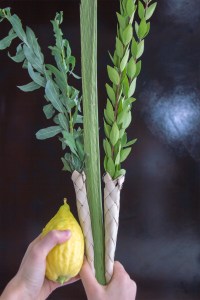
Esther’s Hebrew name was Hadassah, a myrtle branch. Her response to Mordecai was to gather or assemble ALL the Jews. As a true Sukkot branch, she calls for the scattered people to come together in unity, just as the various lulav branches are gathered and waved before the LORD at Sukkot. Instead of feasting during Passover and Unleavened Bread, they fasted for their lives. Esther was willing to risk death for her people, a beautiful foreshadowing of the work of Yeshua.

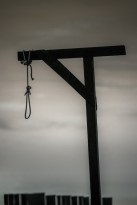
As a result, the king was more than favorable when Esther approached him unannounced, even offering her up to half of his kingdom. She requests that the king and Haman attend a wine banquet that she had prepared. They do so, but Esther keeps her identity and true request concealed, inviting them to a second banquet the next day. Meanwhile, Haman builds 50 cubit gallows in which he intends to hang Mordecai.

During that night, the turning point of the narrative occurs. (Take note of the dark/light symbolism.) The king can’t sleep, so he has the chronicles read to him and discovers that Mordecai saved his life. The king desires to honor Mordecai for saving him. The next morning, Haman entered the courtyard to ask the king if he could hang Mordecai on the gallows that he built. In a funny turn of events, Haman instead ends up parading Mordecai throughout the kingdom to honor him for saving the king.

© ViliamM | Dreamstime.com

This mortified Haman, so he covered his head in shame, and went home to complain to his wife and friends. But, he was quickly ushered off to Esther’s second wine banquet. There, she finally revealed her true intentions. She unmasked Haman as the wicked one set on destroying her people, and revealed her Jewish identity to the king. The furious king hung Haman on the gallows he built for Mordecai.

All the above occurred during the spring feasts of Adonai. In third month of Sivan, when Shavuot is celebrated, the king allowed Mordecai and Queen Esther to issue new edicts for the upcoming time of destruction set by Haman in Adar. The rest is history. The Jews defended themselves, fear of them grew in Persia, the tables were turned, and they destroyed the ones determined to destroy them. These days were marked as the festival of Purim, a remembrance of the time Adonai turned them “from sorrow into gladness and from mourning into a yom tov.” (Esther 9:22)


Warring with Amalek

Haman was descendant of Amalek, the people that attacked the weak and weary Israelites in the wilderness. After this, the LORD said that He would war with Amalek from generation to generation. (Ex. 17:14-16; Dt. 25:17-19) Moses built an altar at that time, and called Adonai YHWH Nissi, the LORD is my Banner, in honor of Adonai’s declaration. A banner is a nes, which is a sign, standard, or ensign. It is also related to the Hebrew word for miracle, nes.

A nes is something lifted up like a flag that can be seen from far away. When the children of Israel warred with the Amalekites, Hur and Aaron held Moses’ tired arms up as an ensign. As long as his arms remained raised with the staff of God, Israel prevailed. In the yearly Torah cycle, we reread this account in Exodus on Purim, as we celebrate Haman’s (Amalek’s) defeat.[9]

© Photovs | Dreamstime.com

Adonai is truly our Banner, the One lifted up as our ensign. We look to Him and the battle is won. Every year at this season, we remember Amalek. We recall his battle tactics. He seeks to attack the stranglers, the weak, and the frail – those that are experiencing darkness. Those that are struggling with exile and hard circumstances. This is the time to lift up a banner for the whole camp of Israel to see. On Adonai’s calendar, that flag or standard is the Scroll of Esther.

She shines like a bright star to those in darkness, giving gentle instruction to the weary. She calls for gathering and unity, even in exile. She reminds us of Haman’s (Amalek’s) defeat, and the hidden, yet Mighty Hand of Adonai. Esther connects one to the new cycle, and prepares us for Pesach. She transitions us from darkness to light.

The Orthodox Pesach Haggadah highlights this with a song that is read at the end of the Seder on the first night of Passover called, It Came to Pass at Midnight. As you read through the lyrics below, meditate on the timing of redemption. When it seems like the darkest moment, even in our own lives, that is when Adonai comes to rescue us. In Egypt, we were slaves one moment, and then, at the “stroke of midnight” we were free. (Ex. 12:29) How many times has Adonai came to your aid at a figurative “midnight”?

IT CAME TO PASS AT MIDNIGHT

You performed most wonders at night,
In the early watches of this night; You caused the righteous convert,
Abraham, to triumph at night;

It came to pass at midnight.

Gerar’s king Abimelech, You judged in a dream by night; You frightened the Aramean, Laban, in the dark of night;
Israel (Jacob) overcame an angel and won by night;

It came to pass at midnight.

You crushed Egypt’s firstborn at midnight;
They found no strength when they rose at night;
The army of the prince of Sisera, You swept away with stars of night;

It came to pass at midnight.

Senncherib, the blasphemer, You disgraced by night;
Babylon’s idol fell in the dark of night;
Daniel was shown the secret of the king’s dream at night;

It came to pass at midnight.

Belshazzar, who drank from the Temple’s vessel, was killed that same night;
Daniel who was saved from the lion’s den interpreted the writing on the wall at night; Hateful Haman the Agagite wrote letters in the night;

It came to pass at midnight.

You triumphed over Haman in the king’s sleepless night;
Trample the winepress and help those who ask the watchmen, “What of the long night?” The watchman responds: “Morning comes after night;”

It came to pass at midnight.

Hasten the day of Messiah, which is neither day nor night;
Most High, make known that Yours are day and night;
Appoint guards for Your city all day and night;
Brighten like the light of day the darkness of night;

It came to pass at midnight.

Royalty-free stock photo ID: 335495510

In your dark hour, have you asked the watchmen, “What of the long night?” A true watchman will respond, “Morning comes after the night.” Exile, affliction, trials, and sufferings are dark, but they are not the end; they signal the beginning. This is the nature of birth and birth pangs.

We can add another “midnight” to this Orthodox poem:

Mat. 25:5-7 (NASB) Now while the bridegroom was delaying, they all got drowsy and began to sleep. 6 But at midnight there was a shout, “Behold, the bridegroom! Come out to meet him.” 7 Then all those virgins rose and trimmed their lamps.

The pattern is consistent and trustworthy. When it is dark, one can trust that Adonai is at work. One can believe without wavering that Adonai will once again bring the LIGHT. Not even death, the thing most fear above else, cannot separate us from the love of Messiah. “Weeping may last for the night, but a shout of joy comes in the morning.” (Ps. 30:5)

Rom. 8:35-39 (TLV) Who shall separate us from the love of Messiah? Shall tribulation, or distress, or persecution, or famine, or nakedness, or danger, or sword? 36 As it is written, “For Your sake we are being put to death all day long; we are counted as sheep for the slaughter.” 37 But in all these things we are more than conquerors through Him who loved us. 38 For I am convinced that neither death nor life, nor angels nor principalities, nor things present nor things to come, nor powers, 39 nor height nor depth, nor any other created thing will be able to separate us from the love of God that is in Messiah Yeshua our Lord.

Paul was convinced of this message. Are we?

© Thanagon Srichanchom | Dreamstime.com

Queen Esther knew the stakes. Her life was on the line for her people. We fear what lurks in the darkness of what we can’t see. But, Adonai is there with us, just as He was with the Jews in Persia. Darkness and light are alike to Adonai. (Psalm 139:12) And, we can trust that He is for us. He is good and works ALL things for the good. (Romans 8:28)

We, especially those that live in western nations like the United States, prefer teachings that focus on one’s safety and prosperity. We have developed entire theological systems that have the “church” escaping trials and tribulations. These doctrines are dangerous because they are rooted in fear of worldly poverty and death. The king’s palace, though luxurious and seemingly “safe,” could not protect Queen Esther. Mordecai told her not to even imagine that her high status would protect her. We serve the God Who gave His all for His people. He expects no less from those that follow His example.

If you find yourself lost in the dead of night at this season, seek wise watchmen, like the moedim or appointed times. They arrive in the year at the perfect time to remind one that though the enemy is always seeking your life, Adonai is still on the Throne. He redeems, He saves, He lives, and He is coming. Death will be swallowed up in victory!

So, every year we rehearse the blow to Amalek at Purim, exactly a month before Passover. On Adonai’s calendar, Purim is the (spiritual) preparation for Pesach. It dissolves the chametz of fear, doubt, and unbelief. These are lies that lurk in the dark, hidden corners of our hearts. They question God’s presence in the natural world and one’s everyday mundane existence. This type of darkness seeks to destroy one’s faith just before the first sliver of “light” pierces the night at Passover.

© Tomert | Dreamstime.com

But, we have our own megillah, our own revealing, like Esther and Purim. This is our testimony of overcoming. It shines in the darkness like the stars and the moon. These sparks of light remind all that dwell in darkness and dark circumstances that we have a great hope. There is Good News! What is hidden now, will be revealed – unrolled like a heavenly scroll. And Messiah, our hope and glory, speaks to us in the thick darkness.

Matthew 10:26-27 (NASB) Therefore do not fear them, for there is nothing concealed that will not be revealed, or hidden that will not be known. 27 What I tell you in the darkness, speak in the light; and what you hear whispered in your ear, proclaim upon the housetops.

Meanwhile, don’t forget to look up when it is dark. There, far beyond the earth, the heavenlies utter their wordless speech. They remind all the Esther’s or stars of Abraham of Adonai’s Covenant Promises. He is faithful. Can you find the treasures of darkness? Look up!

Luke 21:25-28 (NKJV) “And there will be signs in the sun, in the moon, and in the stars; and on the earth distress of nations, with perplexity, the sea and the waves roaring;  26  men’s hearts failing them from fear and the expectation of those things which are coming on the earth, for the powers of the heavens will be shaken.  27  Then they will see the Son of Man coming in a cloud with power and great glory.  28  Now when these things begin to happen, look up and lift up your heads, because your redemption draws near.”

© Stokkete | Dreamstime.com


[1] For example, check out the Moon Flower: https://www.thespruce.com/growing-moon-flower-in-containers-4125231

[2] Strong’s H6734 צִיצִת tsee-tseeth’ Feminine of H6731; a floral or wing like projection, that is, a fore lock of hair, a tassel: – fringe, lock.

H6731 BDB Definition: צץ / ציץ tsı̂yts / tsits 1) flower, bloom. 1a) flower, bloom. 1b) shining thing (of gold plate on high priest’s mitre) (metaphorically). 2) feather, wing.

[3] H2822 חשׁך chôshek BDB Definition: 1) darkness, obscurity. 1a) darkness. 1b) secret place. Part of Speech: noun masculine. A Related Word by BDB/Strong’s Number: from H2821

[4] H6205 ערפל ‛ărâphel BDB Definition: 1) cloud, heavy or dark cloud, darkness, gross darkness, thick darkness. Part of Speech: noun masculine. A Related Word by BDB/Strong’s Number: probably from H6201

[5] https://www.abarim-publications.com/Meaning/Esther.html

[6] From the same root as choshek: H2825 חשׁיכה / חשׁכה chăshêkâh / chăshêykâh BDB Definition: 1) darkness. Part of Speech: noun feminine. A Related Word by BDB/Strong’s Number: from H2821

[7] In a leap year, the Hebrew year has thirteen months or a second Adar. (Learn more here and here.) Leaps years occur seven times in a nineteen year cycle. The 3rd, 6th, 8th, 11th, 14th, 17th, and 19th years of the nineteen year Metonic cycle are leap years. 5781 is year number 5 of the cycle and is therefore not a leap year. The next leap year will be in 5782, year number 6 of the cycle. See New Moon posts on Adar for more: here and here.

[8] See the IVP Bible Background Commentary: Old Testament and New Testament by John H. Walton; Mark W. Chavalas; Victor H. Matthews; Craig S. Keener on Esther 3:9

[9] See Warring with Amalek Part 1, Part 2, and Part 3 to understand Haman’s connection to Amalek.

Categories: Biblical Symbols, Moedim | Tags: , , , , , , , , , , , | 14 Comments

Blog at WordPress.com.