A Sivan & Shavuot Reflection
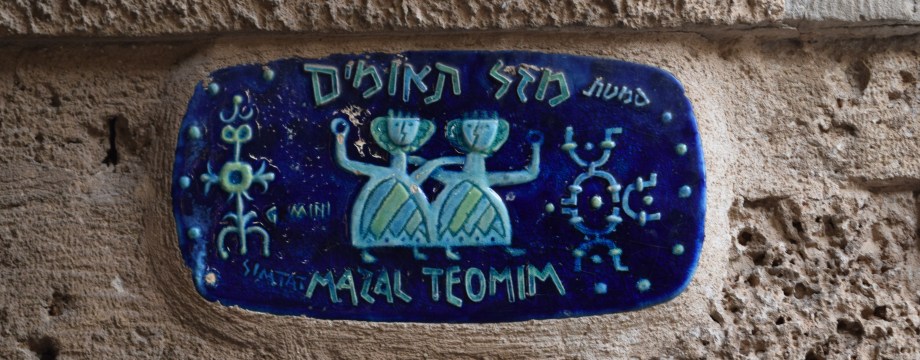
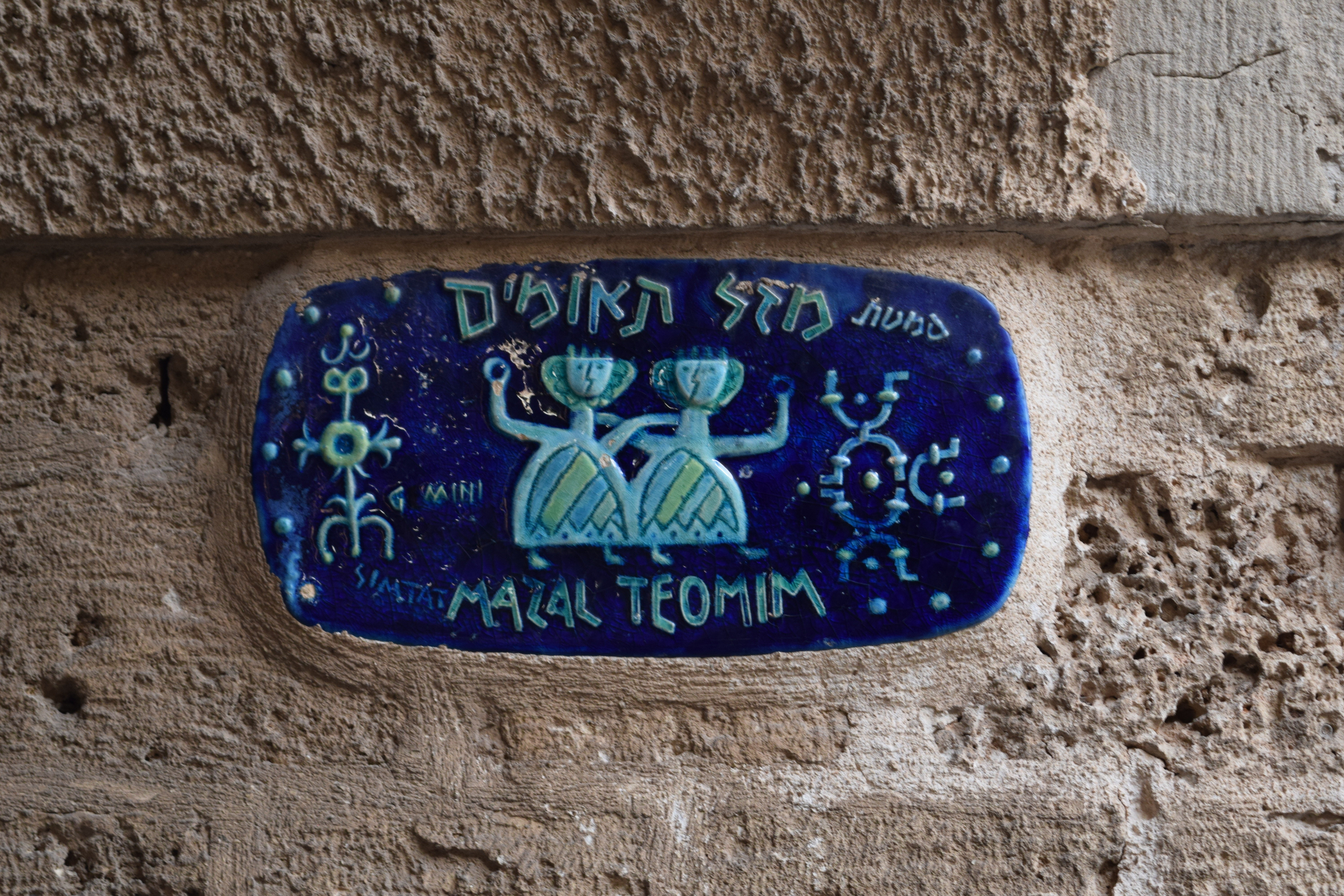
The Twins of Sivan—Gemini, or Teomim—are more than a celestial sign. They mirror a mystical reality: the divided, dynamic inner life of every human soul. In
 © Kisha Gallagher
Scripture, the most iconic twins are Jacob and Esau—born of the same womb, struggling from the moment of conception.
In the womb, they wrestled. At birth, they emerged distinct—Esau red and hairy, Jacob grasping his heel. Esau becomes the hunter, the man of the field, of this world; Jacob, the tent-dweller, the man of inward pursuit and divine destiny. These twins symbolize more than two brothers — they represent the inward duality within every soul:
- Esau: Earthly, impulsive, sensual, flesh-driven
- Jacob: Heavenly, thoughtful, prophetic, spirit-led (but not perfect!)
Esau reflects untamed strength, raw desire, and worldly instinct. Jacob reflects the yearning for righteousness, the pursuit of intimacy with God—but also fear and manipulation. One is not evil and the other good. Each represents a force that must be transformed. This dynamic is vividly described by Paul in Romans 7:
“I see a different law in my members, waging war against the law of my mind… Wretched man that I am! Who will rescue me from this body of death?” (Rom. 7:23–24)
During the Omer Count, this war is brought to the surface — not to shame us, but to integrate us. Unlike Passover (Nisan 14) or Sukkot (Tishrei 15), Shavuot is not fixed by a date—but by a journey to the mountain. The name of the feast—“Weeks”— is about TIME, because time is the medium through which God heals the fracture between Spirit and Flesh, Jacob and Esau, Law and Spirit.
Revelation does not arrive hastily; it waits for the completion of the 7×7 journey—a journey that exposes our inner dualities and awakens our deep need for both divine instruction and spiritual empowerment.
Time allows the fracture to be felt—so it can be healed not through striving, but through surrender in covenant. Jacob needs truth to stay on the narrow path. Esau needs grace to come to the table. But neither can grow without time—sacred, repeated, transforming time. Dr. Henry Cloud frames this as the triad of healing: grace + truth + time.
This is exactly what the 7×7 count provides (this is true of all appointed times):
- Grace isn’t received once—it is practiced across many moments.
- Truth isn’t absorbed overnight—it is tested and confirmed over time.
- Wholeness doesn’t arrive all at once—it comes through the accumulation of consistent transformation.
This mirrors how trauma and brokenness are often layered. God responds not with haste but with patient and holy repetition—because you are being re-patterned into His likeness, not just patched up with a bandaid. He doesn’t leave scars behind. During Sivan, we reach the mountain of God on Shavuot. This is the divine answer to our inward war:
- The Torah clarifies the path: “This is the way, walk in it.” It appeals to our Jacob.
- The Ruach (Spirit) empowers the walk: “Not by might nor by power, but by My Spirit.” It sanctifies the Esau within.
- The Covenant creates time and space for transformation: “We will do, and then we will understand.” (Ex. 24:7)
This triad—Torah, Spirit, Covenant—mirrors grace, truth, and time in action. Rather than rejecting Esau or idealizing Jacob, Sivan invites us to transform the
 © Beritk
| Dreamstime.com
Esau within — not by suppressing him, but by redeeming him. Just as Jacob eventually embraces Esau, so we must learn to embrace and integrate the parts of us that were once in rebellion. In Jewish terms, this is the process of birur — sifting or clarifying, separating light from darkness. But the goal is not permanent separation. Birur refines, but doesn’t discard. This process gives clarity that leads to unity and restoration (tikkun). Jacob cannot be whole until he reconciles with Esau (mystically speaking). Spirit cannot truly reign unless the flesh has been submitted, not annihilated.
Thus, the Teomim of Sivan teach:
- The inward war is not failure — it is the birth canal of transformation.
- Conflict leads to covenant, when placed under divine instruction.
- Spirit and flesh are not equals, but they are both part of the process of becoming whole.
 © Skypixel
| Dreamstime.com
Thus, the danger has never been having a “twin” nature — the danger is division/separation without direction/godly counsel. The spiritual journey is not to choose between Jacob and Esau but to become Israel — the one who wrestles, is transformed, and walks with God.
Yeshua is the ultimate Te’om — the twin-natured Redeemer who showed us the Way. He unites all opposites within Himself. And He invites us into that same integration:
“The glory which You have given Me I have given to them, that they may be one, just as We are one; I in them and You in Me, that they may be perfected in unity, so that the world may know that You sent Me, and loved them, even as You have loved Me.” (John 17:22–23, NAS95)
Through Him, the tension within us can become a holy marriage, a joyful harmony, or a glorious dance. If you are wondering how Yeshua’s followers could be “with one mind in the same place” on Pentecost when we can’t even agree on the “date” of Shavuot, this is the answer. It was never about a “date,” but an accounting and a journey. Perhaps that’s why Sivan’s sense is “walking.” Walking requires two like but opposite things to work together, to be balanced. Without the harmony of two becoming one, we are paralyzed, stripped of the ability to move forward in the Way.
Reflection Questions
- What does my “Esau” look like — where do I wrestle with earthly desires, impulses, or instincts?
- In what ways am I reaching out, like Jacob, for higher things — but struggling in the process?
- How is God inviting me into a deeper union of Torah (instruction) and Spirit (power)?
- Where in my life do opposites feel irreconcilable — and how can covenant bring them together?
- What part of me have I condemned or ignored, rather than inviting into covenant transformation?



 GRACE in TORAH
Always insightful with Biblical mysteries revealed! Thank you!
LikeLike
Hi Keisha, I’m JoAnne Stanley and I have followed you and mussar and Hollisa and YHVH for long time now….. I love everything you write! 🙌😍 But this!! This is e.x.a.c.t.l.y. my experience this 7×7. No words now except thank you thank you. This Twins and the Mountain is a framework I have needed to explain just what the heck is this chaos? It has been big. 🙃 With much love I write again…thank you.
>
LikeLike
This was such a powerful read. The way Jacob and Esau are used to mirror our own inner conflicts really spoke to me. It’s a timely reminder that transformation doesn’t always look perfect—it’s often messy, gradual, and full of grace. The part about not suppressing either side but learning to bring them under God’s guidance truly hit home.
It actually reminds me of the article “The Divine Perspective” on Jesus Trends. That piece also talks about seeing ourselves and our situations the way God does, and choosing to walk in that truth even when it feels uncomfortable. Thank you for sharing this—it’s given me a lot to reflect on today.
LikeLike
This was such a powerful read. The way Jacob and Esau are used to mirror our own inner conflicts really spoke to me. It’s a timely reminder that transformation doesn’t always look perfect—it’s often messy, gradual, and full of grace. The part about not suppressing either side but learning to bring them under God’s guidance truly hit home.
It actually reminds me of the article “The Divine Perspective” on Jesus Trends. That piece also talks about seeing ourselves and our situations the way God does, and choosing to walk in that truth even when it feels uncomfortable. Thank you for sharing this—it’s given me a lot to reflect on today.
LikeLike